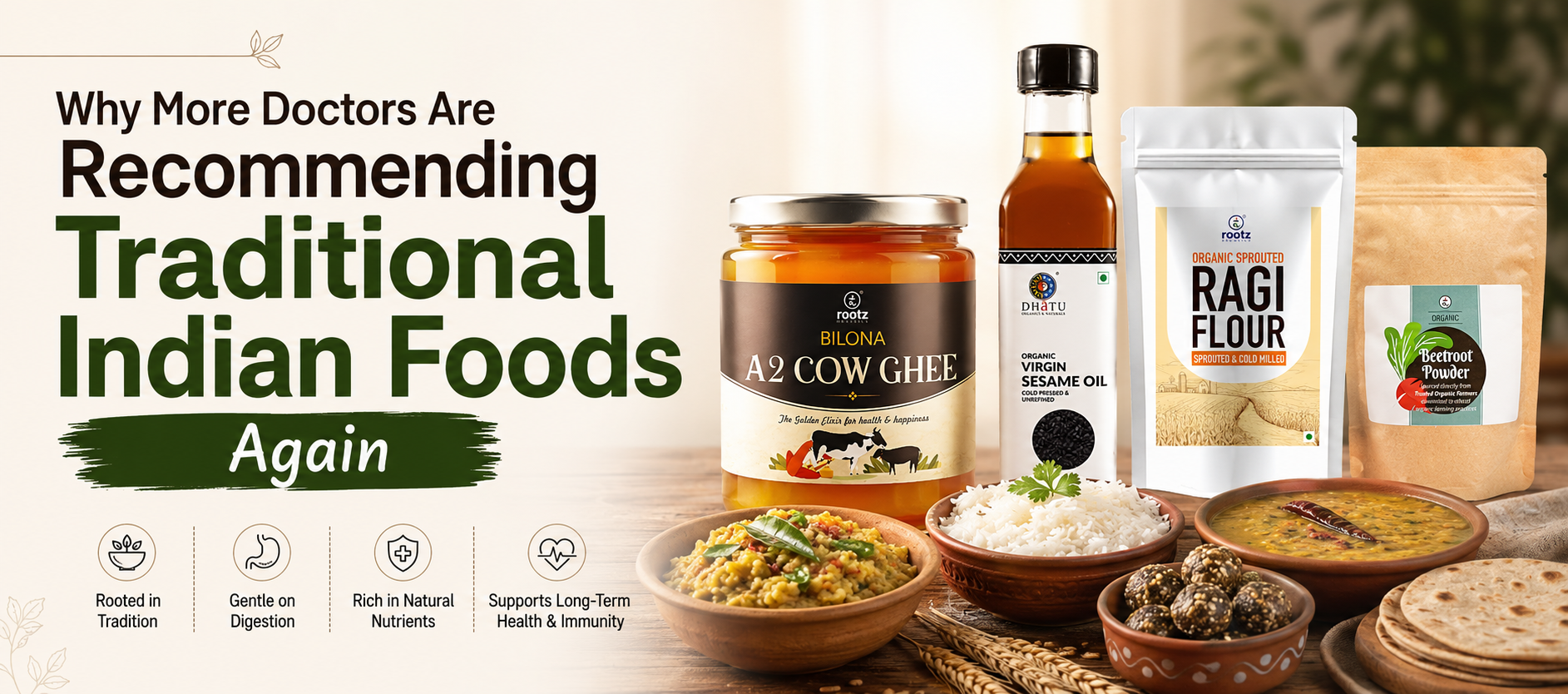
Why More Doctors Are Recommending Traditional Indian Foods Again
Walk into a dietitian's clinic in any Indian city today and you will likely hear a familiar set of suggestions: eat more millets, cook with ghee instead of refined oil, add curd to your meals, and reduce packaged snacks. This is a notable shift. For years, mainstream nutrition advice leaned toward imported "superfoods" and low-fat processed alternatives. Now, physicians and clinical nutritionists are increasingly pointing patients back toward Traditional Indian Foods, not out of nostalgia, but because a growing body of clinical research supports what regional kitchens have practiced for generations.
India's traditional food systems refer to region-specific dietary patterns built around whole grains, millets, legumes, fermented preparations, seasonal vegetables, and cold-pressed fats, prepared using techniques like soaking, sprouting, and slow cooking. These methods were developed long before industrial food processing, and several of their nutritional effects are now being documented in peer-reviewed studies on glycemic response, gut health, and micronutrient density.
The Clinical Shift Behind Grandmother's Kitchen
This is not a marketing trend. It reflects a genuine change in clinical thinking, driven by rising rates of diet-related metabolic conditions across India.
India carries one of the highest burdens of type 2 diabetes and insulin resistance globally, and researchers have increasingly examined why. A narrative review published in the journal Nutrients in 2021 looked specifically at how India's centuries-old dietary structure, built around the "thali" concept of grains, lentils, vegetables, dairy, and fats served together, aligns closely with modern evidence-based recommendations for managing blood glucose in young people with diabetes. The review noted that traditional preparation techniques directly influence the glycemic index and nutrient availability of a meal, which is part of why clinicians are revisiting them rather than discarding them in favor of newer diet trends.
This pattern shows up across specialties. Endocrinologists managing diabetic patients, gastroenterologists treating gut disorders, and pediatricians addressing childhood nutrition are independently arriving at similar conclusions: regionally rooted, minimally processed meals tend to outperform generic, imported diet templates for Indian bodies and Indian gut microbiomes.
What Makes Millets and Whole Grains Clinically Relevant
Millets sit at the center of this shift. Ragi (finger millet), jowar (sorghum), and bajra (pearl millet) were everyday staples in most Indian households before polished rice and refined wheat became dominant through the mid-20th century.
These grains carry a naturally low glycemic index compared to refined wheat flour, meaning they cause a slower, more gradual rise in blood glucose after a meal. Ragi is also one of the few plant sources with meaningfully high calcium content, which is why it has long been used for growing children and during recovery from illness. Home cooks looking to reintroduce these grains often start with organic ragi flour for rotis and porridge, since it substitutes directly into recipes that already use wheat atta.
Jowar behaves similarly. It is naturally gluten-free, higher in fiber than refined wheat, and commonly recommended by dietitians managing weight or blood sugar concerns. Many families rotate it through the week using organic jowar flour for bhakri or flatbreads, alternating it with other grains rather than replacing wheat entirely.
Whole wheat itself is not the problem clinicians are flagging. The concern is heavily refined, bleached maida used in packaged bread and snacks. Stone-ground, minimally processed organic wheat flour retains the bran and germ layers that carry most of the grain's fiber and micronutrients, which is closer to how wheat was traditionally milled in Indian households before industrial refining.
Fermented and Sprouted Preparations: Where the Gut Health Research Points
Idli, dosa, dhokla, and curd are fermented or naturally cultured foods that Indian households have used for centuries, often without knowing the underlying microbiology. Fermentation partially breaks down anti-nutrients in grains and legumes, and produces beneficial bacterial strains that support digestion.
Sprouting works on a similar principle. Soaking and sprouting grains and legumes before cooking increases the bioavailability of iron, zinc, and B vitamins, while reducing compounds like phytic acid that otherwise interfere with mineral absorption. This is one reason sprouted flours and sprouted grain preparations have re-entered clinical dietary advice for anemia and general nutrient deficiency, conditions that remain widespread in India.
Pediatric nutritionists have taken particular interest in this area, since iron-deficiency anemia continues to affect a large proportion of Indian children and women. Sprouted ragi, moong, and wheat preparations are now being recommended as accessible dietary interventions alongside, not instead of, medical treatment where deficiency has already been diagnosed. The appeal is practical as much as nutritional: these are ingredients most Indian households already recognize and know how to cook, which supports better long-term adherence than an unfamiliar imported diet plan.
Pulses, Spices and the Quiet Role of Everyday Cooking Habits
Beyond grains, the pulses and spices used daily in Indian cooking carry their own clinical relevance. Lentils, chickpeas, and other legumes are a primary plant-based protein source in a country where a large share of the population eats vegetarian or largely vegetarian meals. Combined with rice or millets, they form a complementary protein pairing that provides a fuller amino acid profile than either food eaten alone.
Everyday spices carry similar interest from researchers. Turmeric, cumin, fenugreek, and asafoetida have documented anti-inflammatory and digestive properties, and are used in Indian cooking not primarily for flavor but as functional additions passed down through generations of home cooks. Clinicians increasingly frame this as an example of food-as-medicine practiced long before the phrase became popular in wellness marketing, though it is worth noting that spices support general wellbeing rather than treating or curing any diagnosed medical condition.
Cooking methods matter as well. Pressure cooking, slow simmering, and tempering spices in warm ghee or oil, a technique known as tadka, are not simply matters of taste. These methods affect how much of a spice's active compounds become bioavailable, and dietitians studying Indian cuisine have pointed to tempering as one reason traditional preparations often extract more nutritional value from the same raw ingredients compared to raw or minimally cooked spice use.
Traditional Thali vs. the Modern Processed Plate: A Direct Comparison
Placed side by side, the structural differences between a traditional Indian meal and a typical modern processed meal explain much of the renewed clinical interest.
- Carbohydrate source: Traditional meals combine whole grains or millets with legumes, which slows digestion and blunts blood sugar spikes. Processed meals often rely on refined flour and added sugar, which digest quickly and spike glucose.
- Fat quality: Traditional cooking uses cold-pressed oils and ghee in moderate amounts. Many packaged foods use refined vegetable oils and hydrogenated fats linked to inflammation markers.
- Fiber content: Whole grains, legumes, and vegetables in a traditional thali provide substantially more fiber than white rice, maida-based bread, or packaged snacks.
- Additives: Home-cooked traditional meals typically contain no preservatives, emulsifiers, or artificial flavoring, unlike most shelf-stable packaged alternatives.
- Sodium and sugar load: Traditional recipes season to taste with whole spices, while packaged snack foods are frequently engineered with high sodium and hidden sugar for palatability and shelf life.
This comparison also intersects with the NOVA food classification system, an academic framework researchers use to categorize foods by their degree of processing. Foods falling into the "ultra-processed" category, largely absent from traditional Indian cooking, have been associated in multiple population studies with higher risk of metabolic disease when they make up a large share of daily intake.
How Households Are Practically Reintroducing These Foods
Reviving a traditional dietary pattern does not require overhauling an entire kitchen overnight. Most nutritionists suggest a gradual rotation approach instead of a strict switch.
A practical starting point is dedicating two or three days a week to millet-based rotis instead of wheat, while keeping other traditional staples like dal, seasonal vegetables, and curd as daily constants. Rice eaters can rotate polished white rice with less-processed traditional varieties; sourcing consistent, chemical-free grain is easier through organic rice online, where sourcing and processing details are typically listed against each variety.
For households rebuilding their pantry around these principles, working through a single organic food products online source for grains, flours, and pulses makes it easier to check certification and sourcing consistently, rather than piecing ingredients together from multiple untraceable vendors. Increasingly, this shopping pattern is shifting to online organic grocery platforms, which allow families to compare sourcing, certification, and milling methods before buying, something a conventional local store rarely makes transparent.
A Note on Certification and Label Reading
Not every product labeled "traditional" or "desi" on a shelf is grown or milled the way older generations practiced. Under FSSAI norms, only products carrying valid NPOP or PGS-India organic certification marks can claim to be genuinely organic, so checking for these marks remains the most reliable way to verify sourcing claims rather than relying on packaging language alone.
Consumers evaluating any traditional food product should also check for processing details, such as whether flour is stone-ground at low temperature, since heat generated during high-speed milling can degrade some heat-sensitive nutrients.
What This Means Going Forward
Traditional Indian dietary patterns are not being recommended as a rejection of modern nutrition science. They are being recommended because independent clinical research increasingly confirms what these food systems were built around: whole, minimally processed ingredients, prepared using techniques that improve digestibility and nutrient absorption, eaten in balanced combinations rather than isolated "superfoods."
For most households, the shift back does not need to be dramatic. Replacing a portion of refined grains with millets, adding a fermented or sprouted preparation a few times a week, and reducing reliance on packaged snacks captures most of the benefit clinicians are pointing toward, without requiring a complete departure from familiar cooking.
Frequently Asked Questions
Why are doctors recommending India's traditional food habits instead of modern diet trends?
Clinical research increasingly shows that regional Indian meal patterns, built around whole grains, legumes, and fermented foods, support better blood sugar control and gut health than many imported diet templates. Doctors are aligning advice with evidence rather than trend-driven eating patterns.
Are millets actually healthier than wheat and rice?
Millets like ragi, jowar, and bajra generally have a lower glycemic index and higher fiber and mineral content than polished rice or refined wheat flour. They are not meant to fully replace wheat and rice but to be rotated alongside them for better nutritional variety.
What is the "thali" concept doctors refer to in clinical studies?
The thali is a traditional Indian meal structure that combines grains, lentils, vegetables, dairy, and fats on a single plate. Researchers have noted that this combination naturally balances macronutrients and slows digestion, which supports steadier blood sugar levels.
Why is fermented food like idli or curd considered beneficial?
Fermentation partially breaks down anti-nutrients in grains and legumes and introduces beneficial bacteria that support digestion. This is one reason fermented preparations are frequently recommended for gut health in current clinical guidance.
How can I start eating more traditional foods without changing my whole diet?
Most nutritionists suggest a gradual rotation, such as replacing wheat rotis with millet rotis two or three days a week, while keeping dal, vegetables, and curd as daily staples. Small, consistent swaps tend to be more sustainable than a complete dietary overhaul.
In short: the renewed medical interest in India's regional food heritage is grounded in how these ingredients are grown, milled, and combined, not in tradition for its own sake. Whole grains and millets prepared using time-tested methods like sprouting and fermentation continue to show measurable benefits for blood sugar management and gut health in current research, which is why clinicians are recommending a gradual return to them.
-
Why Are So Many Healthy-Looking Foods Actually Ultra-Processed
July 24th, 2026 -
Healthy School Tiffin Ideas Using Millets and Sprouted Flours
July 22nd, 2026 -
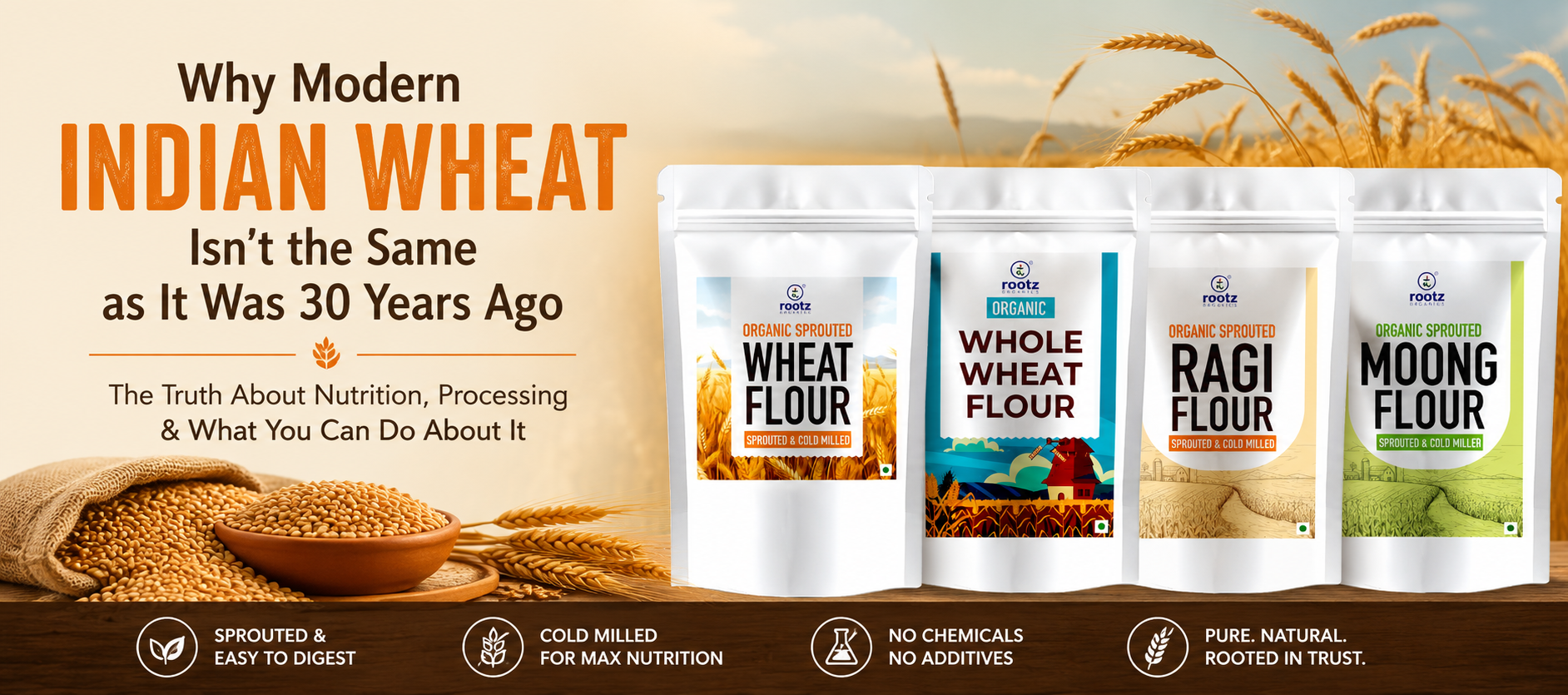
Why Modern Indian Wheat Isn't the Same as It Was 30 Years Ago
July 16th, 2026 -
 July 16th, 2026