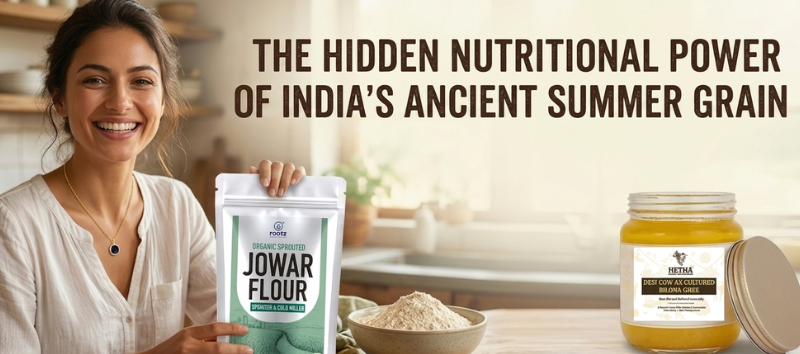
The Hidden Nutritional Power of India’s Ancient Summer Grain
For centuries, Indian households have relied on traditional grains that naturally supported health, energy, and resilience during harsh summers. Long before modern superfoods became popular, ancient grains like millets were already nourishing families across rural and urban India. Today, as consumers become more health-conscious and mindful about food choices, these time-tested grains are making a strong comeback in modern kitchens.
Among them, one humble yet powerful grain stands out for its ability to provide sustained energy, support digestion, and help the body cope with rising temperatures. Nutrition experts and Ayurveda practitioners have long recognized its cooling properties and high fiber content. With growing awareness about chemical-free diets and lifestyle diseases, more families are rediscovering the Nutritional Power of India’s Ancient Summer Grain and incorporating it into daily meals.
This blog explores the science, tradition, and modern relevance of this ancient grain in the Indian diet. It answers common consumer questions, highlights health benefits, and provides practical guidance on how to use this grain effectively in everyday cooking.
Why Ancient Summer Grains Are Returning to Indian Kitchens
India has always been a land of diverse grains suited to regional climates. However, the shift toward refined wheat and polished rice during the past few decades reduced the consumption of traditional grains. As lifestyle diseases such as obesity, diabetes, and digestive disorders increased, nutritionists began encouraging a return to whole, minimally processed foods.
Ancient summer grains are naturally rich in fiber, minerals, and plant-based protein. They are also resilient crops that require less water and fewer chemicals compared to conventional grains. This makes them not only healthier for consumers but also more sustainable for farmers and the environment.
Today, modern consumers are actively searching for foods that support immunity, digestion, and long-term wellness. This renewed interest is driving the popularity of traditional grains in urban households, health-conscious families, and fitness communities across India.
The Nutritional Profile That Makes This Grain a True Superfood
The strength of traditional summer grains lies in their dense nutritional composition. Unlike refined grains that lose nutrients during processing, these grains retain their natural vitamins and minerals.
Rich Source of Dietary Fiber
Dietary fiber plays a crucial role in maintaining digestive health. High-fiber foods help regulate bowel movements, prevent constipation, and support gut microbiome balance. Fiber also promotes satiety, which helps control overeating and supports weight management.
Many Indian families are now choosing whole-grain alternatives because they provide sustained energy without causing sudden spikes in blood sugar levels.
Excellent Plant-Based Protein
Protein is essential for muscle repair, metabolism, and immune function. Ancient grains provide a valuable source of plant-based protein, especially for vegetarian and vegan diets. Regular consumption supports muscle strength and overall vitality.
Essential Minerals for Daily Health
These grains are naturally rich in key minerals such as:
- Iron for improved hemoglobin levels
- Magnesium for muscle and nerve function
- Phosphorus for bone strength
- Potassium for heart health
This balanced nutrient profile makes them an ideal choice for children, adults, and elderly individuals alike.
Cooling Properties That Support the Body During Summer
Indian summers can be intense, often leading to dehydration, fatigue, and digestive discomfort. Traditional summer grains are naturally cooling and hydrating, making them suitable for hot climates.
According to Ayurvedic principles, foods with cooling properties help balance body heat and maintain internal stability. These grains are light on the stomach and easy to digest, which reduces the risk of bloating and acidity during warmer months.
Common summer dishes prepared using these grains include:
- Rotis and bhakri
- Porridge and kanji
- Traditional fermented foods
- Healthy snacks and baked goods
Such foods provide hydration, energy, and digestive comfort throughout the day.
How Traditional Grains Support Modern Lifestyle Needs
Modern lifestyles often involve sedentary work, irregular meals, and increased stress levels. These factors contribute to weight gain, low energy, and metabolic disorders. Incorporating traditional grains into daily meals can help address these challenges naturally.
Supports Healthy Weight Management
High-fiber foods promote fullness and reduce unnecessary snacking. This helps individuals maintain a balanced calorie intake without feeling deprived.
Helps Maintain Stable Blood Sugar Levels
Low glycemic index foods release glucose slowly into the bloodstream, preventing sudden sugar spikes. This makes them suitable for individuals managing diabetes or insulin resistance.
Boosts Energy and Stamina
Complex carbohydrates provide sustained energy throughout the day. This is particularly beneficial for working professionals, students, and physically active individuals.
Why Nutrition Experts Recommend Switching to Whole Traditional Grains
Health professionals increasingly emphasize the importance of consuming whole foods that retain their natural nutrients. Whole grains are less processed, contain fewer additives, and provide better nutritional value compared to refined alternatives.
Nutritionists often recommend replacing refined flour with nutrient-dense options like organic jowar flour in daily cooking. This simple change can significantly improve digestive health and overall nutrition without altering traditional recipes.
Many families have already started making this transition as part of their journey toward healthier eating habits.
The Role of Clean and Natural Foods in Preventing Lifestyle Diseases
Chronic diseases such as diabetes, heart disease, and obesity are becoming increasingly common in India. One of the primary reasons is the consumption of processed foods high in sugar, unhealthy fats, and chemical additives.
Choosing clean-label foods made from natural ingredients can help reduce health risks and support long-term wellness.
Consumers today are more aware of the importance of purchasing high-quality ingredients through trusted sources offering Organic Food Products Online. This ensures that the food consumed is free from harmful chemicals and pesticides.
Traditional Cooking Practices That Enhance Nutritional Value
Indian culinary traditions have always focused on maximizing nutrition through simple cooking techniques. These methods improve digestibility and nutrient absorption.
Soaking and Sprouting
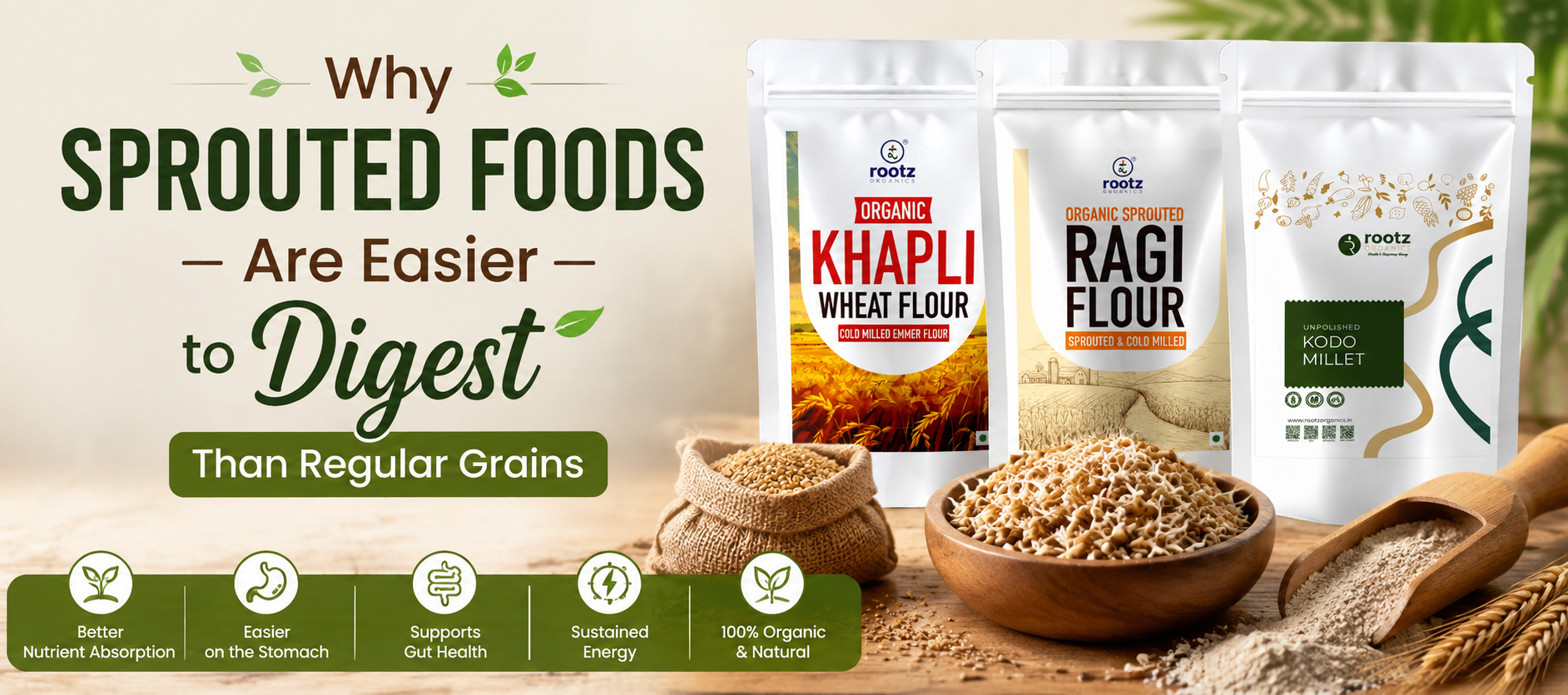
Soaking grains before cooking reduces anti-nutrients and improves mineral absorption. Sprouting further enhances vitamin content and makes food easier to digest.
Fermentation
Fermented foods such as dosa and idli batter increase beneficial bacteria in the gut. This supports digestion and strengthens immunity.
Slow Cooking
Cooking food on low heat preserves nutrients and enhances flavor. Traditional slow-cooked meals are often more nutritious than fast-cooked alternatives.
Healthy Fats That Complement Traditional Grain-Based Meals
A balanced diet includes both carbohydrates and healthy fats. Traditional Indian cooking often combines grains with natural fats that improve nutrient absorption and provide sustained energy.
Adding small amounts of Organic A2 Ghee to meals enhances taste, supports digestion, and provides essential fat-soluble vitamins. Ghee has been used in Ayurveda for centuries as a nourishing and healing ingredient.
Healthy fats also help maintain hormonal balance and support brain function.
The Importance of Choosing Chemical-Free Ingredients for Everyday Cooking
Food quality plays a critical role in overall health. Even the most nutritious grain can lose its benefits if grown or processed using harmful chemicals.
Consumers are increasingly prioritizing food safety and transparency when purchasing groceries. Access to reliable Online Organic Grocery platforms makes it easier for families to source clean, natural ingredients without compromising convenience.
This shift toward chemical-free food choices is transforming the way Indian households approach daily nutrition.
Traditional Oils That Improve Nutrient Absorption and Heart Health
Cooking oils significantly influence the nutritional quality of meals. Refined oils often undergo chemical processing that removes natural nutrients and introduces unhealthy compounds.
In contrast, natural oils extracted using traditional methods retain their vitamins, antioxidants, and flavor. Many nutritionists recommend using Cold Pressed Oils because they are minimally processed and free from harmful chemicals.
These oils support heart health, improve digestion, and enhance the taste of home-cooked meals.
How This Ancient Grain Supports Sustainable Agriculture in India
Beyond health benefits, traditional grains also contribute to environmental sustainability. These crops require less water, fewer fertilizers, and minimal pesticide use compared to conventional grains.
Farmers cultivating traditional grains often practice eco-friendly farming methods that preserve soil fertility and biodiversity. Supporting such crops helps strengthen rural economies and promote sustainable agriculture.
As climate change continues to affect food production, resilient crops will play a crucial role in ensuring long-term food security in India.
Easy Ways to Include Traditional Summer Grains in Daily Meals
Incorporating ancient grains into modern diets does not require drastic changes. Small adjustments in meal planning can deliver significant health benefits.
Breakfast Options
- Healthy porridge with vegetables
- Traditional pancakes or dosa
- Sprouted grain upma
Lunch and Dinner Ideas
- Rotis or bhakri made from whole grain flour
- Nutritious khichdi with vegetables
- Grain-based salads
Healthy Snack Alternatives
- Roasted grain snacks
- Baked crackers
- Energy laddoos
These simple recipes make it easy to enjoy the benefits of traditional grains without sacrificing taste or convenience.
The Future of Traditional Grains in India’s Health and Wellness Movement
The growing demand for natural, nutrient-rich foods is driving innovation in the food industry. Restaurants, home cooks, and food brands are experimenting with traditional grains to create healthier alternatives to processed foods.
Government initiatives promoting millet consumption and sustainable farming are also encouraging farmers to cultivate traditional crops. This renewed focus on heritage foods is helping preserve India’s agricultural legacy while supporting public health.
As awareness continues to grow, more families are recognizing the Nutritional Power of India’s Ancient Summer Grain and embracing it as a staple in their daily diet.
Conclusion: A Timeless Grain for Modern Health
India’s ancient summer grains represent a perfect balance of tradition, nutrition, and sustainability. They provide essential nutrients, support digestion, and help the body adapt to changing climates. Their natural resilience makes them a valuable resource for both personal health and environmental sustainability.
In an era dominated by processed foods and fast-paced lifestyles, returning to traditional dietary practices offers a simple yet powerful way to improve overall well-being. By choosing wholesome, chemical-free ingredients and incorporating time-tested grains into daily meals, families can build a healthier future for generations to come.
Frequently Asked Questions (FAQs)
1. What makes traditional summer grains healthier than refined grains?
Traditional grains retain their natural fiber, vitamins, and minerals because they undergo minimal processing. This makes them more nutritious and easier to digest compared to refined grains.
2. Are ancient grains suitable for people with diabetes?
Yes, many traditional grains have a low glycemic index, which helps regulate blood sugar levels and supports diabetes management when consumed as part of a balanced diet.
3. Can children and elderly individuals consume traditional grains daily?
Absolutely. These grains provide essential nutrients that support growth, immunity, and bone health, making them suitable for all age groups.
4. How often should traditional grains be included in meals?
Nutrition experts recommend consuming whole grains daily as part of a balanced diet to maintain energy levels and support digestive health.
5. Do traditional grains help with weight management?
Yes, their high fiber content promotes fullness and reduces overeating, which supports healthy weight management over time.
-
 August 6th, 2026
 -
 August 6th, 2026