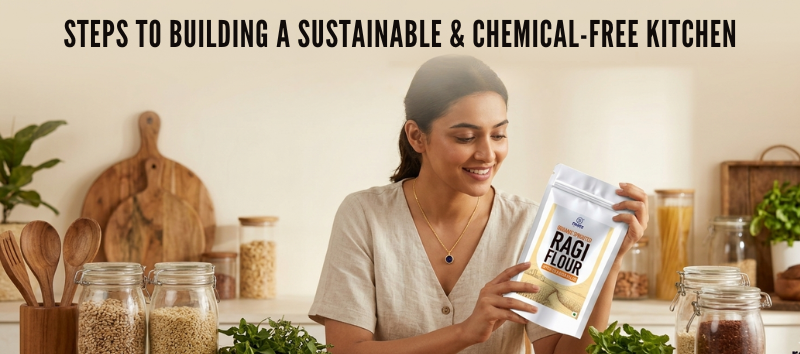
Steps to Building a Sustainable and Chemical-Free Kitchen for Your Family
In recent years, Indian households have become increasingly aware of the impact of food choices on health, environment, and long-term well-being. From pesticide residues in vegetables to preservatives in packaged foods, modern kitchens often unknowingly introduce harmful chemicals into daily meals. This shift in awareness has led families to adopt healthier, more mindful practices focused on sustainability and purity.
Creating a Chemical-Free Kitchen for Your Family is not just a trend—it is a lifestyle transformation rooted in traditional Indian wisdom and modern nutritional science. Our grandparents relied on natural ingredients, seasonal produce, and simple cooking methods that supported immunity and longevity. Today, with rising lifestyle diseases and environmental concerns, returning to those practices is more relevant than ever.
This comprehensive guide will walk you through practical, research-backed steps to build a sustainable kitchen in India. It covers ingredient selection, storage methods, cooking practices, and eco-friendly habits that promote health while reducing environmental impact. Whether you live in a metro city or a semi-urban area, these strategies can help you create a safer and more responsible kitchen for your household.
Why Indian Families Are Moving Toward Natural and Sustainable Kitchens
The modern Indian diet has changed significantly over the past few decades. Packaged foods, refined oils, and chemical-laden produce have replaced many traditional staples. While these products offer convenience, they often compromise nutritional quality and safety.
Several factors are driving the shift toward sustainable kitchens:
- Increasing awareness about pesticide residues and food adulteration
- Rising cases of lifestyle diseases such as diabetes and obesity
- Growing environmental concerns related to plastic waste and food production
- Interest in traditional Indian food practices and Ayurveda
- Demand for transparency in food sourcing and labeling
A sustainable kitchen focuses on purity, minimal processing, and responsible consumption. It prioritizes fresh, seasonal ingredients and reduces dependence on artificial additives. By making small, consistent changes, families can significantly improve their health outcomes and environmental footprint.
Start with Clean and Trusted Ingredients
The foundation of any healthy kitchen lies in the quality of ingredients used daily. Even the best cooking methods cannot compensate for poor-quality raw materials. Therefore, the first step toward sustainability is choosing safe and responsibly sourced food items.
Choose Certified and Naturally Grown Produce
Look for certifications and reliable sourcing information when purchasing grains, pulses, fruits, and vegetables. Certified products undergo strict quality checks and are produced without harmful synthetic chemicals.
Many Indian families are now exploring Organic Food Products Online to access a wider variety of clean-label options. Online platforms provide transparency about sourcing, farming methods, and ingredient quality, making it easier to make informed decisions.
When selecting produce, prioritize:
- Seasonal fruits and vegetables
- Locally sourced grains and pulses
- Minimal packaging and processing
- Transparent labeling and ingredient lists
These choices not only improve nutritional intake but also support local farmers and sustainable agriculture.
Replace Refined Staples with Traditional Indian Alternatives
Traditional Indian grains and flours offer superior nutrition compared to refined wheat and rice. They are rich in fiber, vitamins, and minerals that support digestion, immunity, and energy levels.
Incorporate Millets and Ancient Grains
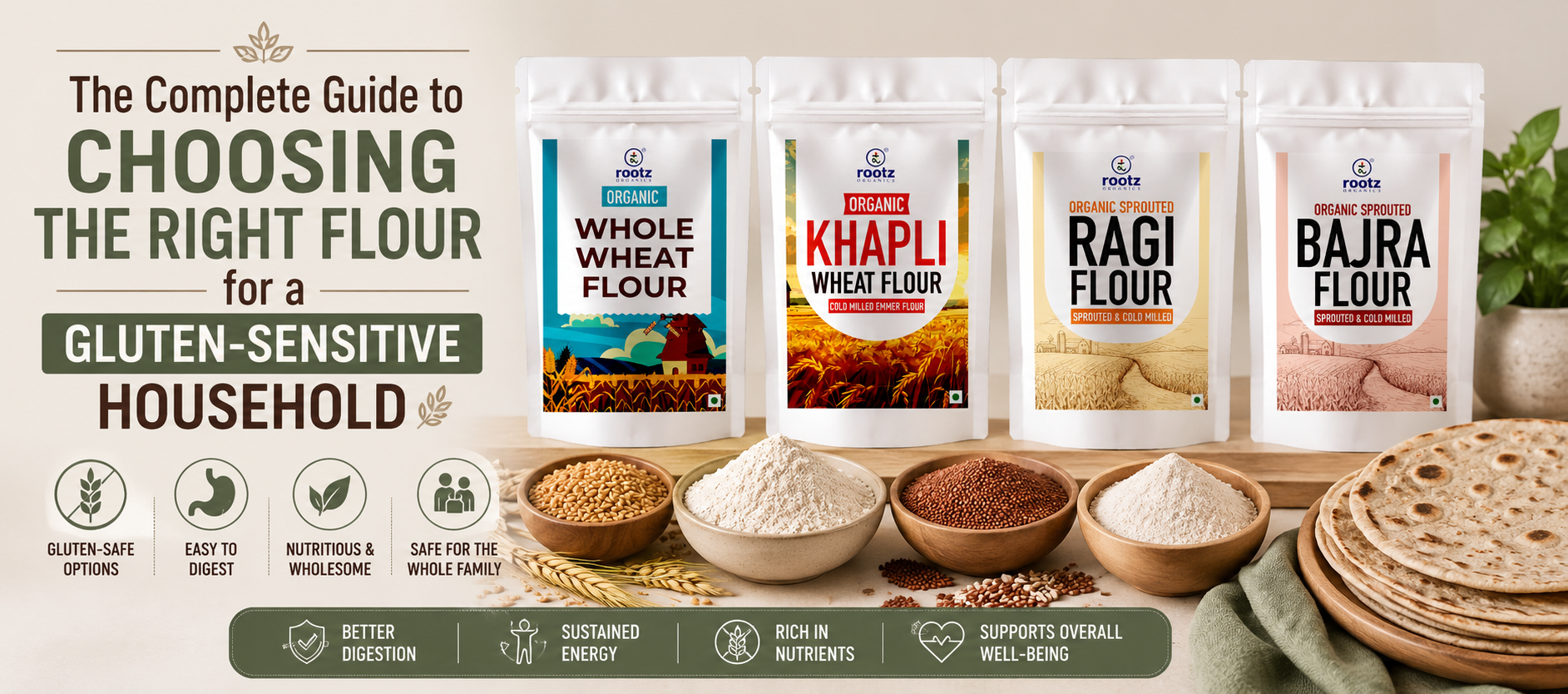
Millets have been a staple in Indian diets for centuries. They are naturally gluten-free, easy to digest, and environmentally sustainable because they require less water and fewer chemical inputs.
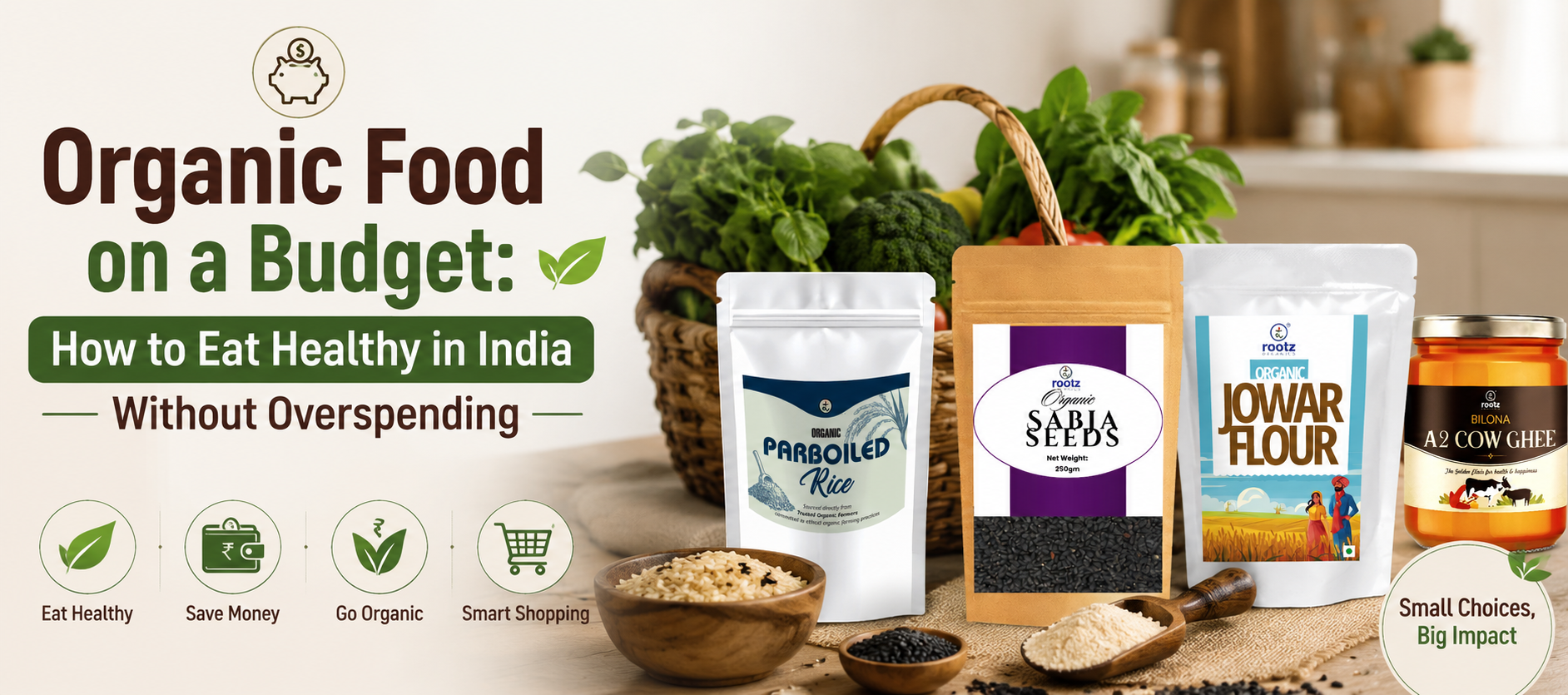
One excellent option is organic jowar flour, which provides essential nutrients such as iron, magnesium, and dietary fiber. It can be used to prepare rotis, dosa, and baked goods while supporting blood sugar control and gut health.
Other beneficial traditional grains include:
- Ragi (finger millet)
- Bajra (pearl millet)
- Amaranth (rajgira)
- Barley (jau)
Switching to these grains reduces dependence on heavily processed foods and promotes long-term wellness.
Choose Healthy Cooking Fats for Daily Meals
Cooking oils and fats play a crucial role in overall health. Many commercial oils undergo high-temperature processing and chemical refining, which can destroy nutrients and introduce harmful residues.
Use Naturally Extracted Oils and Traditional Fats
Traditional Indian kitchens relied on minimally processed oils and natural fats that supported digestion and immunity. Today, many households are rediscovering the benefits of Cold Pressed Oils, which retain essential nutrients and antioxidants due to their gentle extraction process.
Recommended healthy fats include:
- Cold-pressed mustard oil
- Cold-pressed coconut oil
- Groundnut oil
- Sesame oil
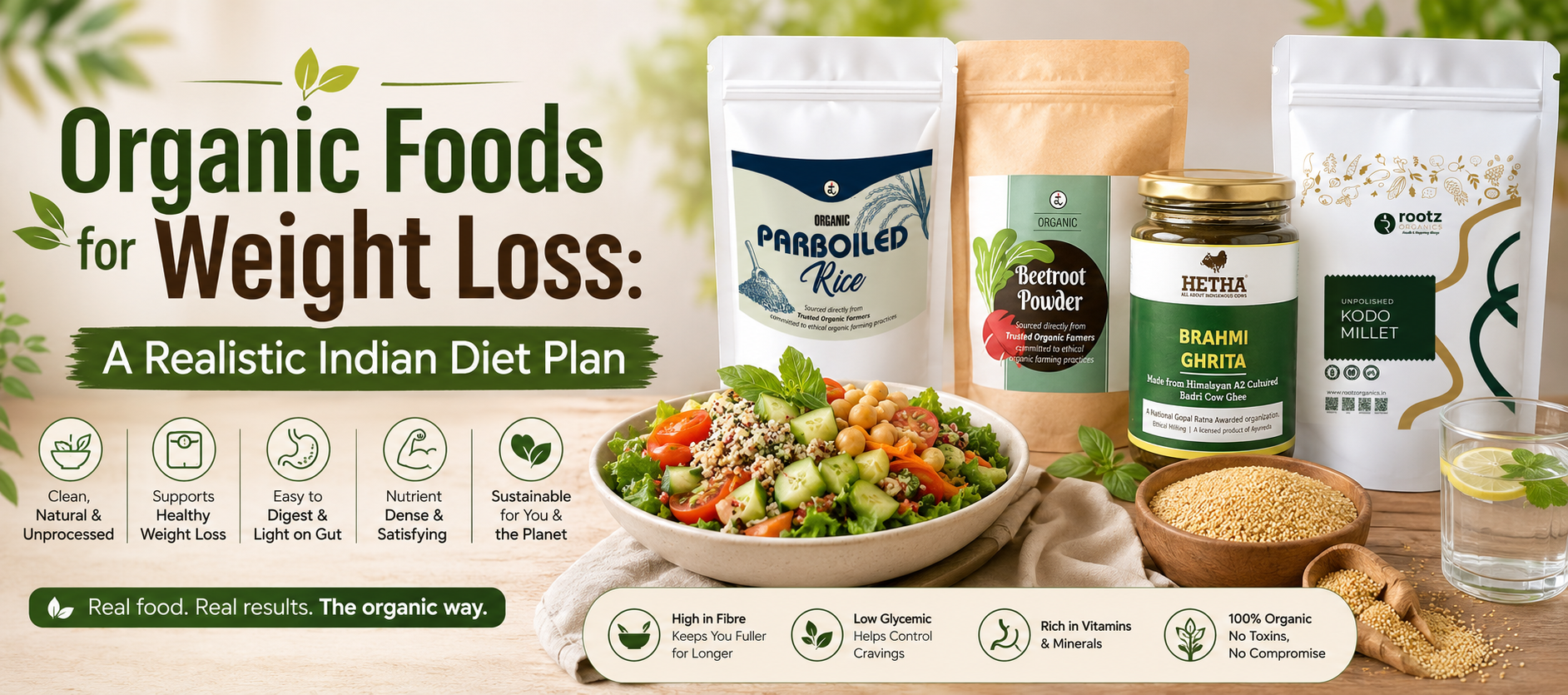
In addition to oils, traditional dairy fats such as Organic A2 Ghee are valued for their digestive and anti-inflammatory properties. Ghee contains healthy fatty acids that support brain function and nutrient absorption.
Choosing natural fats helps maintain heart health and enhances the flavor of homemade meals.
Reduce Packaged and Ultra-Processed Foods
Ultra-processed foods often contain preservatives, artificial colors, and flavor enhancers that can negatively affect health. These additives are commonly found in ready-to-eat snacks, instant noodles, and sugary beverages.
Reducing consumption of such products is essential for building a Chemical-Free Kitchen for Your Family. Instead, focus on preparing fresh meals using simple ingredients.
Practical Tips to Minimize Processed Foods
- Cook meals at home using fresh ingredients
- Prepare snacks in small batches
- Read ingredient labels carefully
- Avoid products with long shelf lives
- Choose natural sweeteners like jaggery and honey
These habits help maintain nutritional quality and reduce exposure to harmful chemicals.
Adopt Eco-Friendly Storage and Kitchen Practices
Sustainability extends beyond food selection to include storage and waste management. Traditional Indian households used reusable containers and natural preservation methods that minimized waste.
Switch to Safe and Reusable Storage Materials
Plastic containers can release harmful chemicals, especially when exposed to heat. Replacing them with safer alternatives improves food safety and environmental sustainability.
Recommended storage options include:
- Glass jars
- Stainless steel containers
- Clay pots
- Beeswax wraps
These materials are durable, reusable, and free from toxic substances.
Buy in Bulk and Plan Meals Efficiently
Meal planning and bulk purchasing reduce food waste and save money. They also ensure consistent availability of healthy ingredients.
Benefits of Smart Grocery Planning
- Reduces frequent shopping trips
- Minimizes impulse purchases
- Ensures balanced nutrition
- Supports sustainable consumption
Many households now rely on an Online Organic Grocery platform to simplify shopping and access a diverse range of clean-label products. These services provide convenience while maintaining quality standards.
Use Natural Cleaning Solutions in the Kitchen
Kitchen hygiene is essential for food safety, but many commercial cleaning products contain harsh chemicals that leave residues on surfaces and utensils.
Safe and Natural Cleaning Alternatives
- Vinegar and baking soda for surface cleaning
- Lemon juice for stain removal
- Salt for scrubbing utensils
- Herbal disinfectants for floors
These natural solutions are effective, affordable, and environmentally friendly.
Support Local and Sustainable Food Systems
Choosing locally sourced food reduces transportation emissions and supports regional farmers. It also ensures fresher produce with higher nutritional value.
In India, farmers' markets and community-supported agriculture programs are gaining popularity. These initiatives promote transparency and strengthen local economies.
By supporting sustainable farming practices, families contribute to environmental conservation and food security.
Educate Family Members About Healthy Eating Habits
Building a sustainable kitchen requires collective effort. Educating children and family members about nutrition and food safety encourages long-term healthy habits.
Ways to Involve the Entire Family
- Teach children about seasonal foods
- Encourage home cooking
- Grow herbs or vegetables at home
- Discuss the importance of balanced meals
These activities create awareness and foster a positive relationship with food.
Long-Term Benefits of a Sustainable Kitchen
Transitioning to a natural kitchen offers numerous advantages for health, finances, and the environment.
- Improved digestion and immunity
- Reduced exposure to harmful chemicals
- Lower medical expenses
- Reduced environmental impact
- Enhanced food quality and taste
These benefits make sustainable living a valuable investment for families across India.
Conclusion: Building a Healthier Future Through Conscious Choices
Creating a sustainable kitchen is a gradual process that begins with awareness and small lifestyle changes. By choosing natural ingredients, reducing processed foods, and adopting eco-friendly practices, families can protect their health and support environmental sustainability. A well-planned Chemical-Free Kitchen for Your Family reflects a commitment to responsible living and long-term wellness. It combines traditional Indian knowledge with modern nutritional science to create a safe and nourishing environment for future generations.
Frequently Asked Questions (FAQs)
1. What is a sustainable kitchen?
A sustainable kitchen focuses on using natural ingredients, reducing waste, and adopting eco-friendly practices to promote health and environmental responsibility.
2. How can I reduce chemicals in my daily cooking?
You can reduce chemicals by choosing organic produce, avoiding processed foods, using natural cleaning products, and selecting minimally processed cooking oils.
3. Are traditional Indian grains healthier than refined grains?
Yes, traditional grains such as millets and barley contain more fiber and nutrients than refined grains, supporting better digestion and long-term health.
4. What are the benefits of cold-pressed oils?
Cold-pressed oils retain natural nutrients and antioxidants because they are extracted without high heat or chemicals, making them a healthier cooking option.
5. How can families start building a sustainable kitchen?
Families can begin by replacing processed foods with fresh ingredients, using reusable storage containers, planning meals, and choosing locally sourced products.
-
 August 6th, 2026
 -
 August 6th, 2026