The Truth About Chemical Residues in Everyday Foods: What Indian Families Need to Know
Every morning, millions of Indian families cook what they believe is a wholesome meal — a bowl of dal, freshly made rotis, a sabzi from the local mandi. The ingredients look fresh. The aromas are familiar. But here is a question that does not get asked often enough: what else is on that plate that you cannot see?
Over the last two decades, the widespread use of synthetic pesticides, chemical fertilisers, artificial ripening agents, and preservatives has quietly changed the nature of the food on our tables. These residues do not announce themselves. They have no taste. They leave no visible mark. Yet their long-term presence in our daily diet — especially in the meals of children and pregnant women — is a matter that nutritionists, scientists, and food safety regulators across the world are taking very seriously.
This blog is not about fear. It is about awareness — because informed families make better choices.
What Are Chemical Residues in Food, and Why Do They Exist?
Chemical residues are traces of synthetic compounds that remain in or on food after farming, storage, processing, or transport. They come from multiple sources:
- Pesticides and insecticides sprayed on crops to control pests and disease
- Chemical fertilisers (rich in nitrogen, phosphorus, potassium) used to accelerate crop growth
- Fungicides and herbicides applied post-harvest to prevent spoilage during transit
- Artificial ripening agents such as calcium carbide, used on mangoes, bananas, and tomatoes
- Food additives and preservatives added during processing to extend shelf life
Modern agriculture depends heavily on these inputs. India uses over 50,000 metric tonnes of pesticides annually, making it one of the largest consumers of agricultural chemicals in Asia. While regulatory bodies like FSSAI (Food Safety and Standards Authority of India) set Maximum Residue Limits (MRLs) for various chemicals, enforcement gaps, unregulated small farms, and post-harvest chemical use mean that a significant portion of produce reaching the market carries residues that exceed safe thresholds.
Which Everyday Foods Carry the Highest Chemical Load?
Not all produce is equally at risk. Understanding which foods tend to accumulate the most residues helps families make smarter decisions at the kitchen counter.
Leafy Vegetables: Spinach, Coriander, and Methi
FSSAI surveillance data has repeatedly flagged leafy greens as high-risk for pesticide residues in India. Because these crops grow quickly and are consumed with minimal cooking — often raw in chutneys, raitas, or salads — there is very little breakdown of chemical compounds before they reach the body. Organophosphate compounds, commonly used on leafy crops, are of particular concern as they can affect the nervous and endocrine systems with prolonged exposure.
Fruits: Grapes, Apples, Strawberries, and Mangoes
Imported apples and grapes have consistently tested positive for multiple pesticide residues in Indian market surveys. Mangoes — a beloved seasonal fruit — are frequently exposed to calcium carbide for artificial ripening, a practice that is illegal but still widely reported. This chemical generates acetylene gas, which mimics natural ethylene but leaves behind arsenic and phosphorus compounds on the fruit skin.
Wheat and Rice: The Silent Staples
Grains form the backbone of the Indian diet, and yet this is where chemical accumulation is least discussed. Post-harvest use of fumigants and pesticides during storage — to prevent grain weevils and fungal growth — means that the wheat flour and rice on your shelf may carry chemical residues from storage facilities rather than just the farm. This is especially true for grains stored in bulk government warehouses or commercial silos where chemical fumigation is routine.
Milk and Dairy
Residues do not stop at plant foods. When dairy cattle are fed chemically grown fodder, pesticide compounds bio-accumulate in fat tissue and transfer into milk. Studies by the Centre for Science and Environment (CSE) found pesticide residues in samples of packaged milk across multiple Indian cities, raising questions about the daily dairy consumption of children.
Packaged and Processed Foods
Beyond farms, the processing industry introduces a separate category of risk: artificial colours, synthetic flavour enhancers (like MSG and certain food dyes), trans fats, and chemical preservatives such as BHA, BHT, and sodium benzoate. These are legal within permissible limits — but daily cumulative exposure across multiple processed products consumed by one person is rarely studied or regulated.
How Do Chemical Residues Affect the Human Body Over Time?
This is the most important section for any family to understand — because the harm from food-borne chemical residues is almost never acute. It is cumulative and chronic.
Impact on Children
Children are disproportionately vulnerable to chemical residues because their detoxification systems (liver and kidneys) are still developing. Research links early-life exposure to organophosphate pesticides with lower IQ scores, attention deficits, and developmental delays. Even at levels considered "safe" for adults, these compounds can interfere with a child's neurological development.
Hormonal Disruption
A class of chemicals known as endocrine disruptors — which includes many pesticides and food additives — can mimic or block natural hormones in the body. This is linked to early puberty in girls, declining sperm counts, thyroid imbalances, and insulin resistance. The alarming rise of polycystic ovary syndrome (PCOS) and hormonal disorders among young Indian women has prompted researchers to investigate dietary chemical exposure as one contributing factor.
Gut Health and Immunity
The human gut microbiome — the ecosystem of beneficial bacteria essential for immunity, mood, and metabolism — is highly sensitive to chemical disruption. Synthetic pesticides, particularly fungicides and herbicides, have been shown to alter gut flora composition even at low doses, contributing to leaky gut syndrome, inflammatory bowel conditions, and weakened immunity.
Long-Term Cancer Risk
The World Health Organisation (WHO) classifies several widely-used pesticides as probable or possible human carcinogens. While a single meal is not a cause for alarm, decades of chronic low-level exposure from multiple food sources compound the risk — a pattern that has contributed to the rising incidence of gastrointestinal and hormone-related cancers in India.
Why Is This Problem Particularly Acute for Indian Families?
India's food safety landscape has unique challenges that make chemical residue exposure a more pressing concern here than in many other countries:
- Fragmented farming: Most Indian farms are small, unregulated, and operate without consistent guidance on safe chemical usage and pre-harvest intervals.
- Lack of testing infrastructure: While FSSAI sets MRLs, routine laboratory testing of produce at the retail level remains inconsistent across states.
- Post-harvest chemical use: Chemicals applied to extend shelf life during storage and transport are often invisible to consumers and not listed on any label.
- Heavy reliance on staples: Unlike Western diets where food variety is high, Indian families eat the same staples — wheat, rice, dal, leafy greens — every single day, which means any residue in these foods becomes a daily exposure rather than an occasional one.
Understanding India's Organic Food Movement: A Quiet Revolution
The good news is that awareness is growing — and so are the alternatives. The demand for Organic Food India has seen remarkable growth over the last decade, driven by health-conscious urban families, rising lifestyle diseases, and greater access through e-commerce platforms. Consumers are no longer just buying organic as a trend — they are buying it as a protective measure for their families.
Organic farming operates without synthetic pesticides, chemical fertilisers, GMOs, or artificial growth hormones. Certified organic produce in India carries either the NPOP (National Programme for Organic Production) seal or the PGS-India (Participatory Guarantee System) mark — both of which require verifiable farm practices and independent auditing.
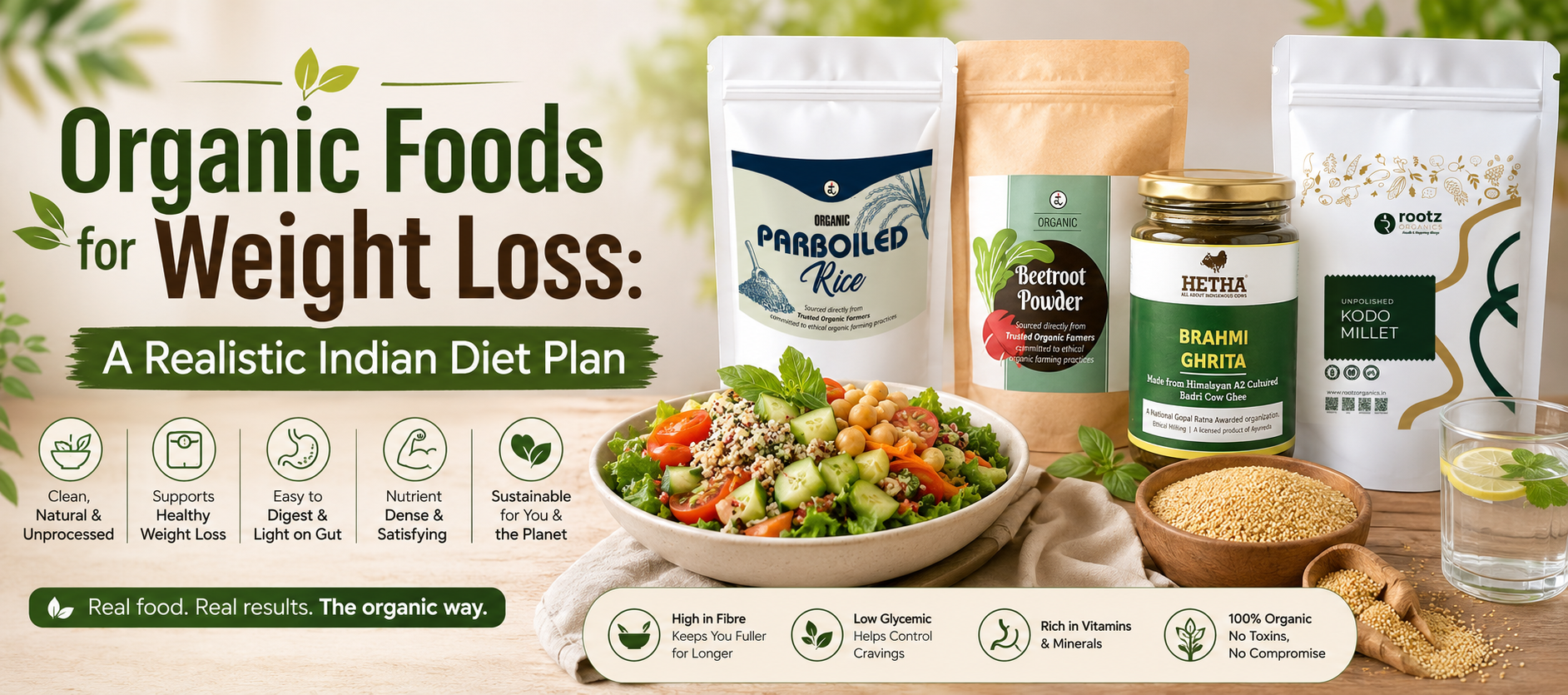
The category has expanded well beyond exotic imported products. Today, Indian families can access organic staples such as heritage rice, ancient grain flours, traditional millets, cold-pressed oils, and A2 cow ghee — products rooted in India's own culinary heritage, now grown and processed without chemical intervention.
Practical Steps Indian Families Can Take Right Now
1. Prioritise Organic for High-Risk Foods
You do not need to switch everything overnight. Start with the foods your family eats every day in the largest quantities. Staple flours are a good starting point — switching to organic flours online means the foundation of your daily rotis, paranthas, and bread is free from chemical residues.
2. Choose Ancient and Millet-Based Alternatives
Traditional Indian grains like jowar, bajra, ragi, and foxtail millet are naturally hardy crops that require far fewer pesticide inputs than hybrid wheat and rice varieties. Incorporating organic millets online into your weekly meal plan is both a health upgrade and a residue-reduction strategy. Millets also offer superior fibre, minerals, and a low glycaemic index — making them ideal for diabetic and weight-conscious family members.
3. Rethink Your Daily Cooking Fats
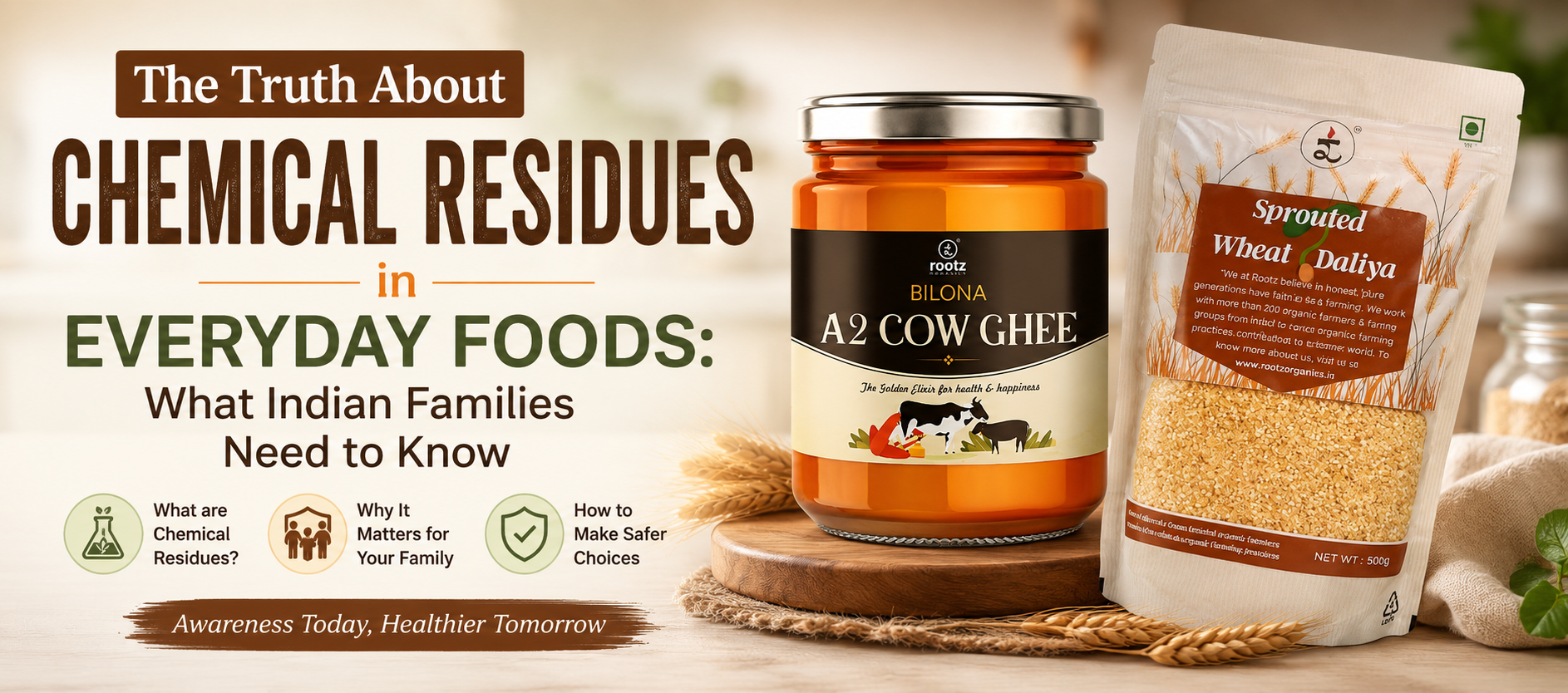
Conventional ghee and refined oils are often produced from chemically farmed dairy and oil seeds. Switching to organic A2 ghee — made from the milk of indigenous Desi cow breeds fed on clean fodder — eliminates a significant route of chemical entry into the body, particularly for young children who consume ghee daily on rice and dal.
4. Wash Produce Thoroughly — But Know Its Limits
Washing fruits and vegetables under running water removes surface residues to some extent. Adding a teaspoon of baking soda or food-grade vinegar to the wash water further helps. However, systemic pesticides — those absorbed into the plant tissue rather than sitting on the surface — cannot be washed off. This is where sourcing matters more than washing.
5. Replace Refined Wheat with Safer Grain Options
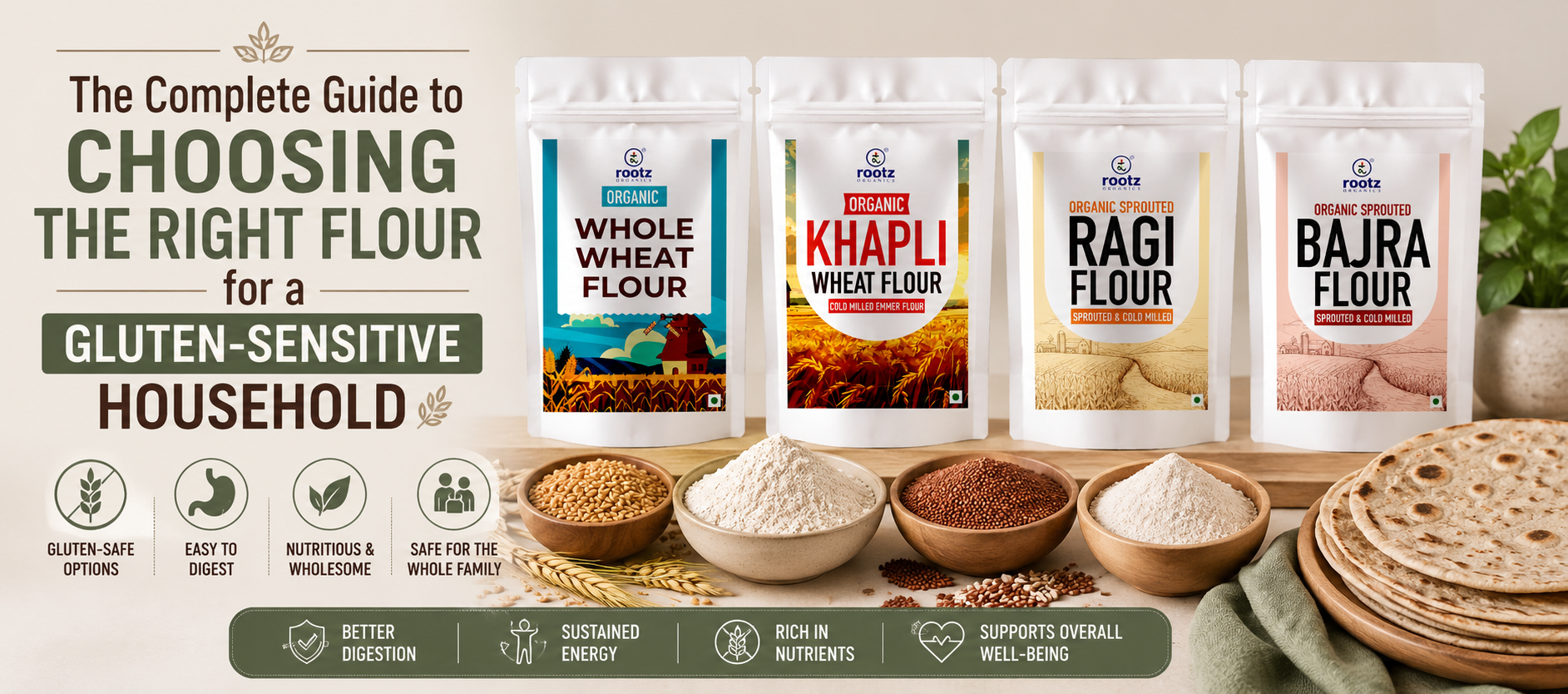
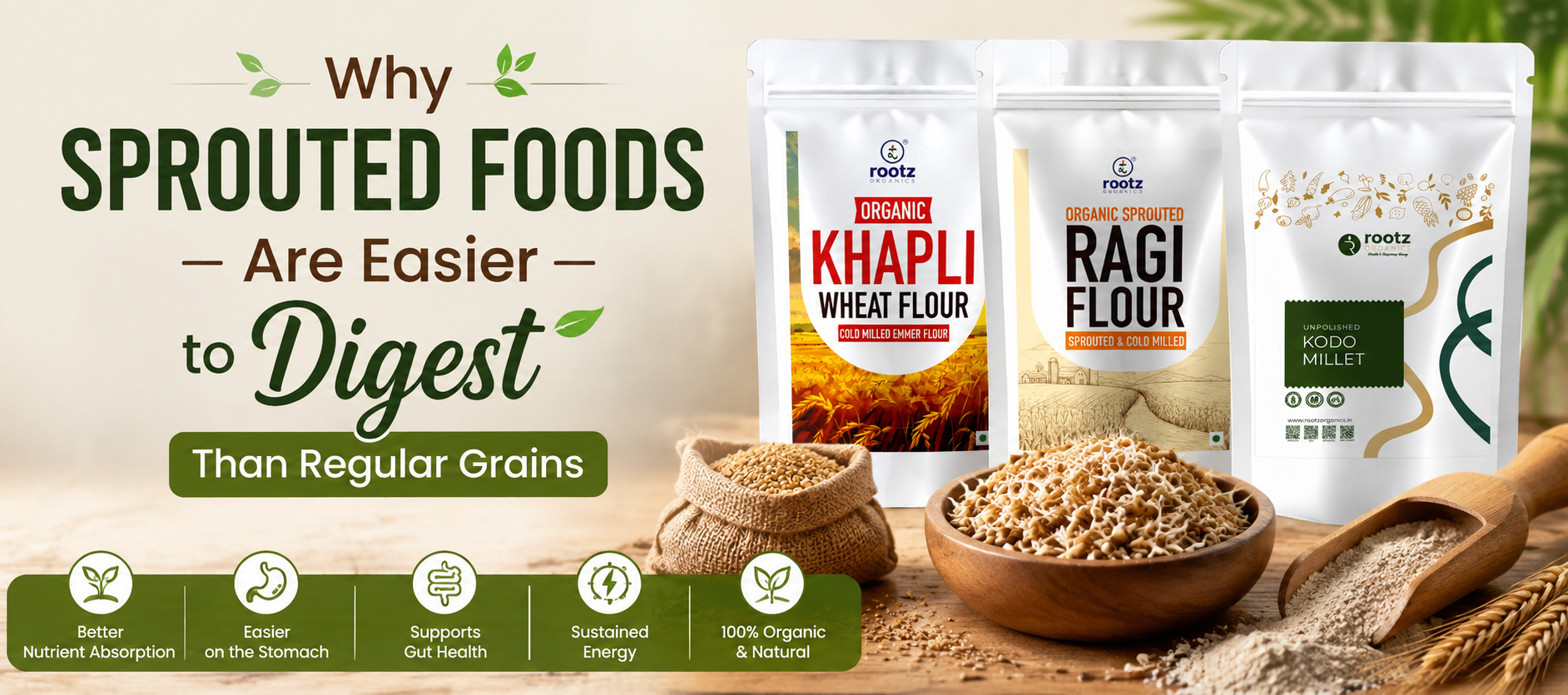
For families that rely heavily on wheat-based staples, choosing organic wheat flour or ancient grain alternatives like Khapli (emmer wheat) reduces exposure to both the chemical inputs used in conventional wheat farming and the additives often mixed into commercial atta. Organic jowar flour is another excellent everyday substitute — naturally gluten-free, high in fibre, and completely free from synthetic inputs when sourced from certified farms. For those specifically looking for chemical-free gluten-free options, organic jowar flour is one of the most accessible starting points.
6. Read Labels — and Understand What They Mean
In India, "natural," "farm-fresh," and "homemade" are unregulated claims on food labels. The only meaningful certifications to look for are NPOP-certified organic or PGS-India certified. Any product without one of these marks on it cannot be independently verified as chemical-free, regardless of how it is marketed.
The Bigger Picture: Feeding Families with Intention
The shift towards cleaner food is not about perfection. It is about reducing the cumulative load of chemical exposure on the bodies of the people we love — especially children, elderly family members, and anyone managing a chronic health condition. Even partial changes, such as switching key daily staples to certified organic alternatives, can meaningfully lower the chemical burden on the body over time.
The rise of Organic Food India is not merely a market trend. It is a response to a genuine public health need — one that every family in the country deserves clear, honest information about. The solution does not lie in fear, but in awareness, access, and the willingness to make small, consistent choices that compound into better health over a lifetime.
Frequently Asked Questions
How do I know if my food has chemical residues in India?
There is no reliable way to detect pesticide or chemical residues at home by sight, smell, or taste. The safest approach is to purchase produce and staple foods that carry a certified organic label — either NPOP (National Programme for Organic Production) or PGS-India — as these require farms to be independently verified as free from synthetic chemicals. Washing produce thoroughly under running water, with optional baking soda, can reduce surface residues but will not remove systemic (absorbed) pesticides.
Which Indian foods have the highest pesticide residue levels?
Based on FSSAI surveillance data and independent studies, the foods with the highest recorded pesticide residue levels in India include leafy vegetables (spinach, coriander, methi), grapes, apples, strawberries, and certain tropical fruits like mangoes treated with artificial ripening agents. Among staples, conventionally grown wheat, rice, and non-organic dairy also carry measurable residue loads from farm chemicals and storage fumigants.
Are organic food products in India really chemical-free?
Certified organic products in India — carrying the NPOP or PGS-India seal — are produced without synthetic pesticides, chemical fertilisers, GMOs, or artificial additives. These certifications require independent farm inspections and soil and produce testing. While no farming system can guarantee zero trace exposure (due to environmental drift from neighbouring farms), certified organic produce has consistently shown significantly lower residue levels than conventionally grown alternatives in independent comparative studies.
What is the safest flour for daily roti-making in India?
For daily roti and chapati making, certified organic wheat flour or ancient grain flours such as Khapli (emmer wheat) flour are the safest choices, as they are produced without synthetic pesticide inputs and avoid the chemical additives and bleaching agents sometimes present in commercial atta. For families with gluten sensitivity, organic jowar flour and millet-based flours are naturally gluten-free, minimally processed, and grown with far lower chemical inputs than conventional hybrid wheat.
How can Indian families reduce chemical residue exposure without completely changing their diet?
The most practical approach is to start with the foods consumed in the largest daily quantities — cooking fats, staple flours, and frequently eaten vegetables — and switch these to certified organic alternatives first. Even partial substitutions, such as replacing conventional ghee with organic A2 ghee and switching to organic wheat or millet flours, significantly reduce daily chemical exposure over time. Washing all produce under running water, avoiding pre-cut packaged vegetables, and buying seasonal local produce from known sources also helps lower the overall chemical load on the family's diet.
-
 August 6th, 2026
 -
 August 6th, 2026