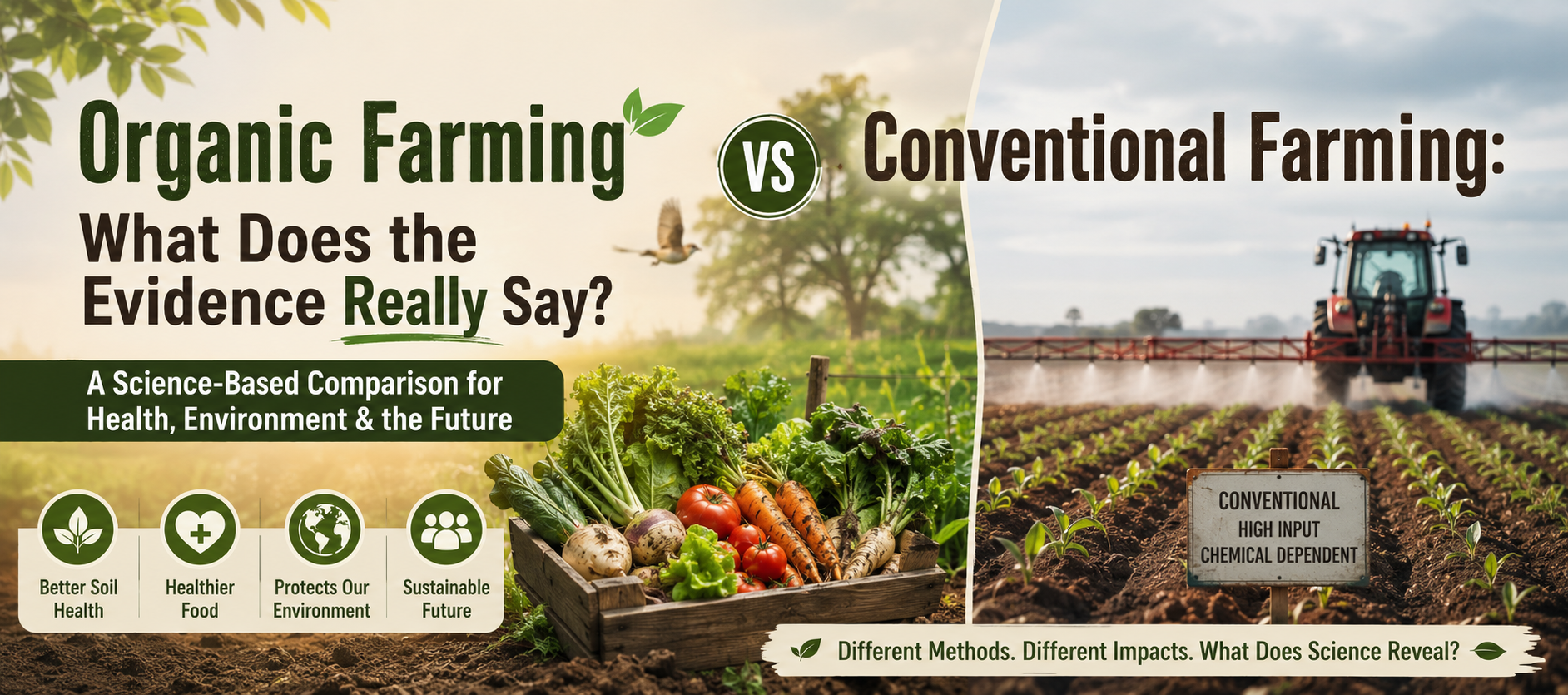
Organic Farming vs Conventional Farming: What Does the Evidence Really Say?
Walk into any Indian kitchen today and you will likely find someone asking whether organic food is worth the extra rupees. The debate around organic farming vs conventional farming has moved past marketing claims into a genuine scientific and economic question. This article looks at what peer-reviewed research, government data, and farm-level evidence in India actually show, rather than relying on assumptions from either side.
What Is Organic Farming?
Organic farming is a method of crop and livestock production that avoids synthetic fertilizers, chemical pesticides, and genetically modified inputs. It relies instead on compost, crop rotation, biological pest control, and natural soil-building practices. In India, organic produce sold commercially must be certified under the National Programme for Organic Production (NPOP) or the Participatory Guarantee System (PGS-India).
What Is Conventional Farming?
Conventional farming uses synthetic fertilizers, chemical pesticides, herbicides, and often high-yielding hybrid or genetically modified seeds to maximize output per acre. It became the dominant model in India after the Green Revolution of the 1960s, which prioritized food security through intensive input use. It remains the primary method behind most staple grain production in the country today.
Organic Farming vs Conventional Farming: Key Differences
The core distinction in organic farming vs conventional farming lies in input use, soil management, and long-term ecological impact rather than in a simple "good vs bad" framing. Each system involves measurable trade-offs across yield, cost, and environmental outcomes.
Comparison at a Glance
- Inputs: Organic uses compost, biofertilizers, and neem-based pest control; conventional uses synthetic NPK fertilizers and chemical pesticides.
- Yield: Meta-analyses, including a widely cited 2012 Nature study, found organic yields average 19-25% lower than conventional yields, though the gap narrows significantly for legumes and perennial crops.
- Soil health: Long-term trials, such as the Rodale Institute's 40-year Farming Systems Trial, show organic soils retain more organic matter and water over time.
- Cost to farmer: Conventional farming has higher input costs (fertilizer, pesticide) but often lower labor costs; organic farming has lower input costs but higher labor demands for weeding and composting.
- Certification and market price: Certified organic produce in India typically commands a 20-40% price premium in retail markets.
Soil Health and Long-Term Sustainability
Soil degradation is one of the most measurable differences between the two systems over time. Continuous chemical fertilizer use without organic matter replenishment has been linked to declining soil organic carbon across large parts of Punjab and Haryana, two of India's most intensively farmed states.
Organic practices such as green manuring, vermicomposting, and crop rotation rebuild soil structure and microbial activity. The Indian Council of Agricultural Research (ICAR) has noted that soils under sustained organic management show improved water retention, which matters directly for drought resilience in rain-fed regions.
Why Soil Carbon Matters
Higher soil organic carbon improves nutrient cycling, reduces erosion, and helps crops withstand dry spells. This is a key reason India's Ministry of Agriculture has been promoting natural and organic farming models in states like Sikkim, Andhra Pradesh, and Himachal Pradesh over the past decade.
Pesticide and Chemical Residue: What the Data Shows
Pesticide residue is one of the most researched areas when comparing chemically farmed and organically farmed produce. Studies consistently find that organic produce carries significantly lower levels of pesticide residue than conventionally grown produce, though "lower" does not always mean "zero," since drift and soil carryover can occur.
In India, the Food Safety and Standards Authority of India (FSSAI) routinely tests vegetable and fruit samples for pesticide residue. Reports have periodically flagged residue levels exceeding maximum permissible limits in conventionally farmed produce from certain regions, particularly for crops like brinjal, cabbage, and grapes.
Nutritional Value: Is Organic Really More Nutritious?
The nutritional comparison is more nuanced than most marketing suggests. A comprehensive 2014 meta-analysis published in the British Journal of Nutrition found that organic crops had higher concentrations of certain antioxidants, along with lower cadmium and pesticide residue levels, compared to conventional crops.
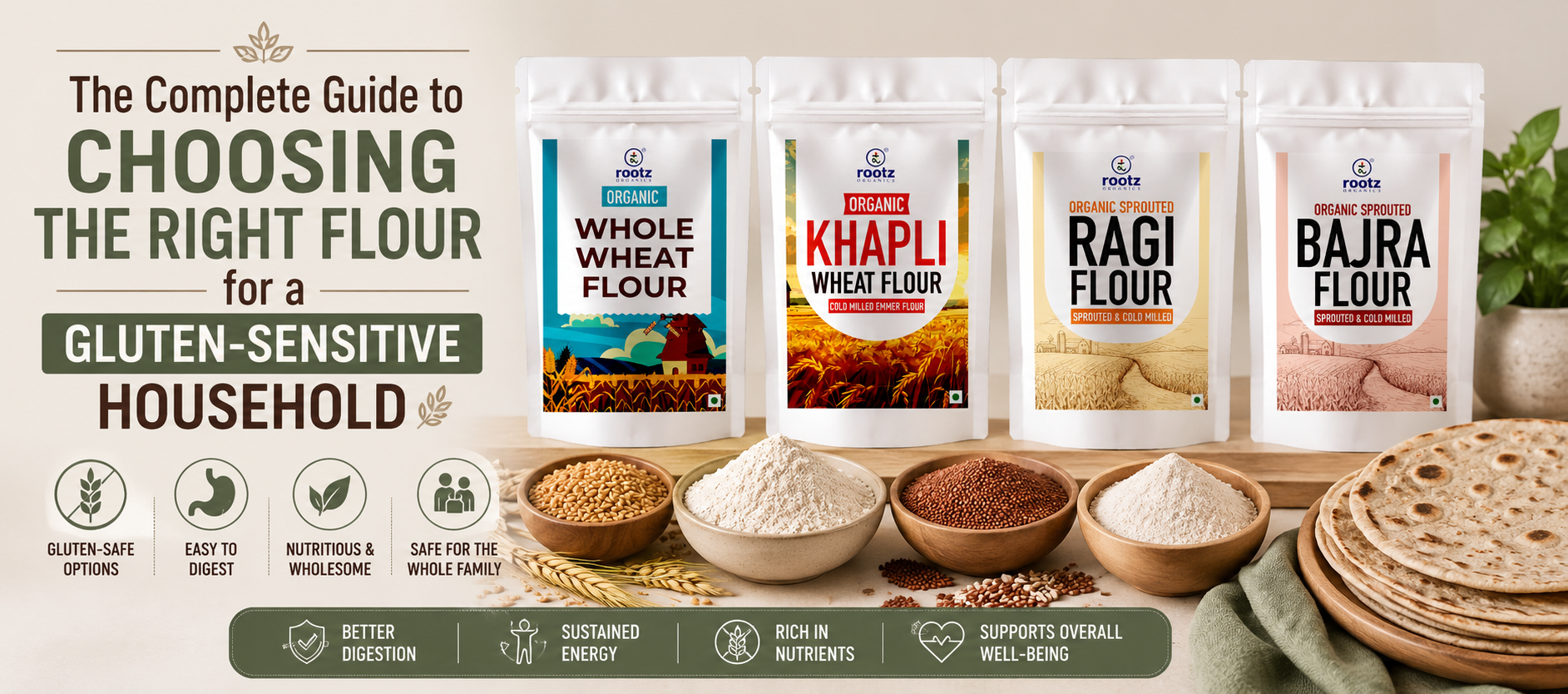
However, differences in vitamin and mineral content between the two systems are generally small and can vary by soil type, crop variety, and growing conditions rather than farming method alone. The clearest, most consistent nutritional advantage of organic produce is reduced exposure to synthetic chemical residues, not dramatically higher vitamin content. For households managing gluten sensitivity or celiac disease specifically, sourcing certified gluten free flours adds the extra benefit of avoiding cross-contact with conventionally processed grains.
Environmental Impact Beyond the Farm
Organic farming tends to reduce groundwater contamination from nitrate runoff, support greater biodiversity through the absence of broad-spectrum pesticides, and lower on-farm greenhouse gas emissions per hectare. Conventional farming, while more land-efficient per tonne of output, contributes more heavily to fertilizer-linked water pollution and pesticide drift affecting pollinators.
India loses an estimated significant share of honeybee colonies each year to pesticide exposure, a concern directly tied to crop pollination and, by extension, long-term agricultural productivity.
Yield and the Productivity Trade-Off
Yield remains the strongest argument in favor of conventional methods, particularly for staple grains like wheat and rice where India's food security needs are large. Organic systems generally require more land to produce the same volume, which raises valid questions about scalability at a national level.
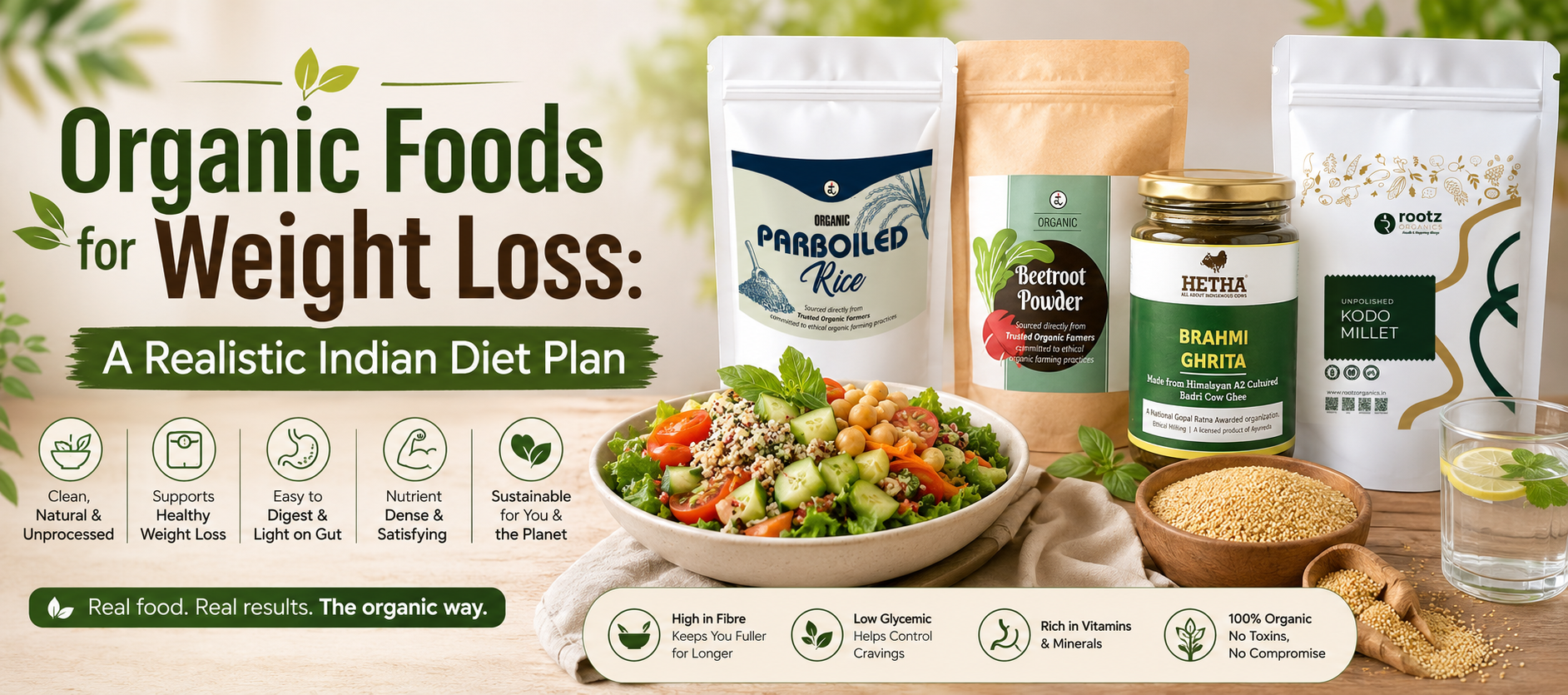
That said, yield gaps shrink considerably in systems using organic multi-cropping, intercropping, and improved compost management, and some studies show organic yields matching conventional ones after a multi-year soil transition period. Because rice is one of the crops most affected by this yield-driven price gap, many urban households now find it easier to buy organic rice online from certified sources rather than relying on unverified claims at local markets.
Farmer Income and Rural Livelihoods in India
Economics often decide which system a farmer chooses, more than ideology. Conventional farming offers predictable yields and established supply chains but carries volatile input costs tied to fertilizer and diesel prices. Organic farming lowers recurring input costs and, when certified, allows access to premium markets, but transition years (typically the first two to three years) often bring reduced yields without yet qualifying for the organic price premium.
Government schemes such as the Paramparagat Krishi Vikas Yojana (PKVY) provide financial support during this transition period, recognizing that the income dip is the single biggest barrier preventing more Indian farmers from converting.
The Indian Policy Landscape for Organic Farming
India has taken a notably active policy role in organic agriculture. Sikkim became the world's first fully organic state in 2016, and several other states have since launched natural farming missions. The Bharatiya Prakritik Krishi Paddhati (BPKP) scheme now supports zero-budget natural farming across multiple regions, aiming to reduce farmer dependence on costly synthetic inputs.
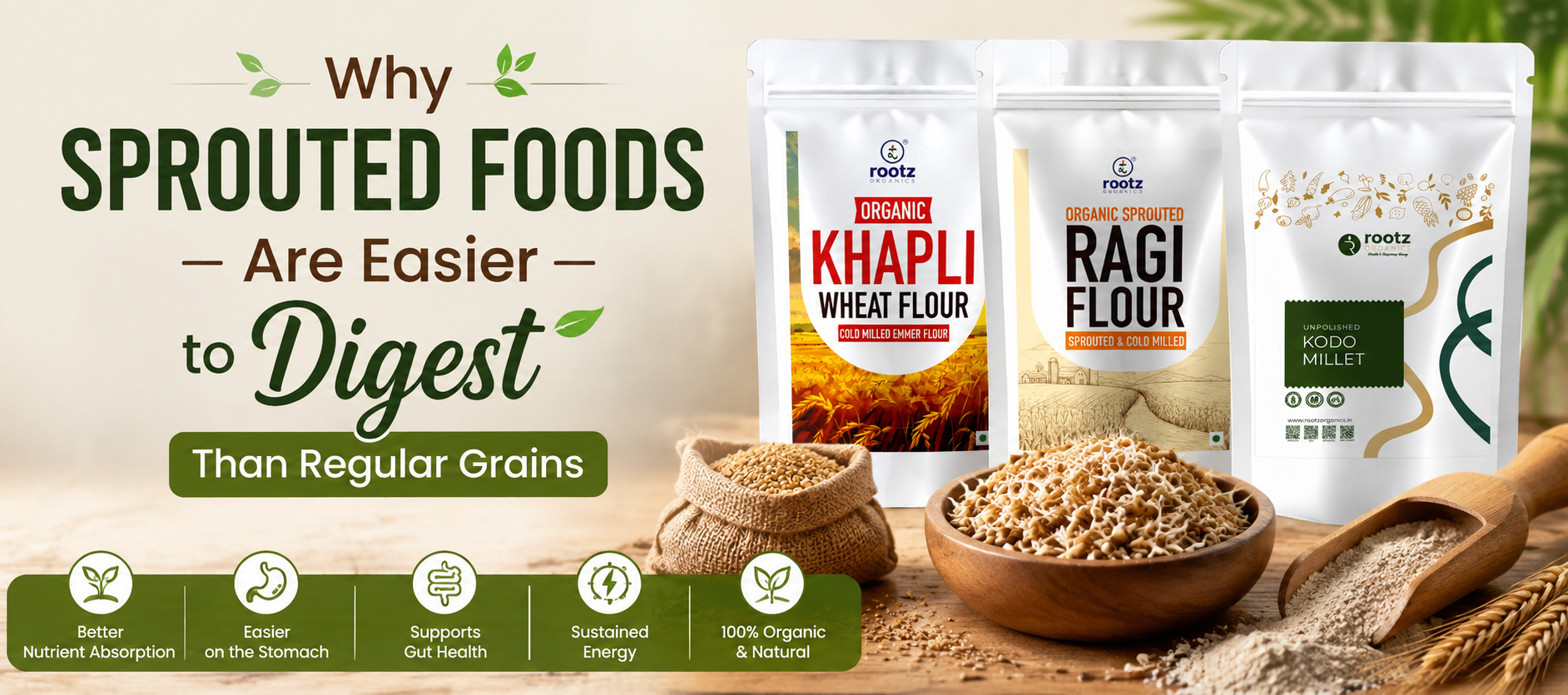
India also ranks among the top countries globally by number of organic producers, according to data compiled by the Research Institute of Organic Agriculture (FiBL) and IFOAM, even though the total certified organic land area remains a small percentage of total farmland. This policy push has coincided with renewed consumer interest in traditional grains, with many households now switching to unpolished millets as a lower-input, nutrient-dense alternative to conventionally polished grains.
How Indian Consumers Can Make an Informed Choice
Choosing between organic and conventional produce does not have to be an all-or-nothing decision. A practical approach works better for most households.
A Practical Decision Framework
- Prioritize high-residue crops: Items like leafy greens, berries, and grapes tend to carry higher pesticide residue when conventionally grown, making them worth buying organic first.
- Check certification marks: Look for the India Organic logo or PGS-India certification rather than relying on packaging language alone; reputable listings of organic food products online typically display this certification upfront.
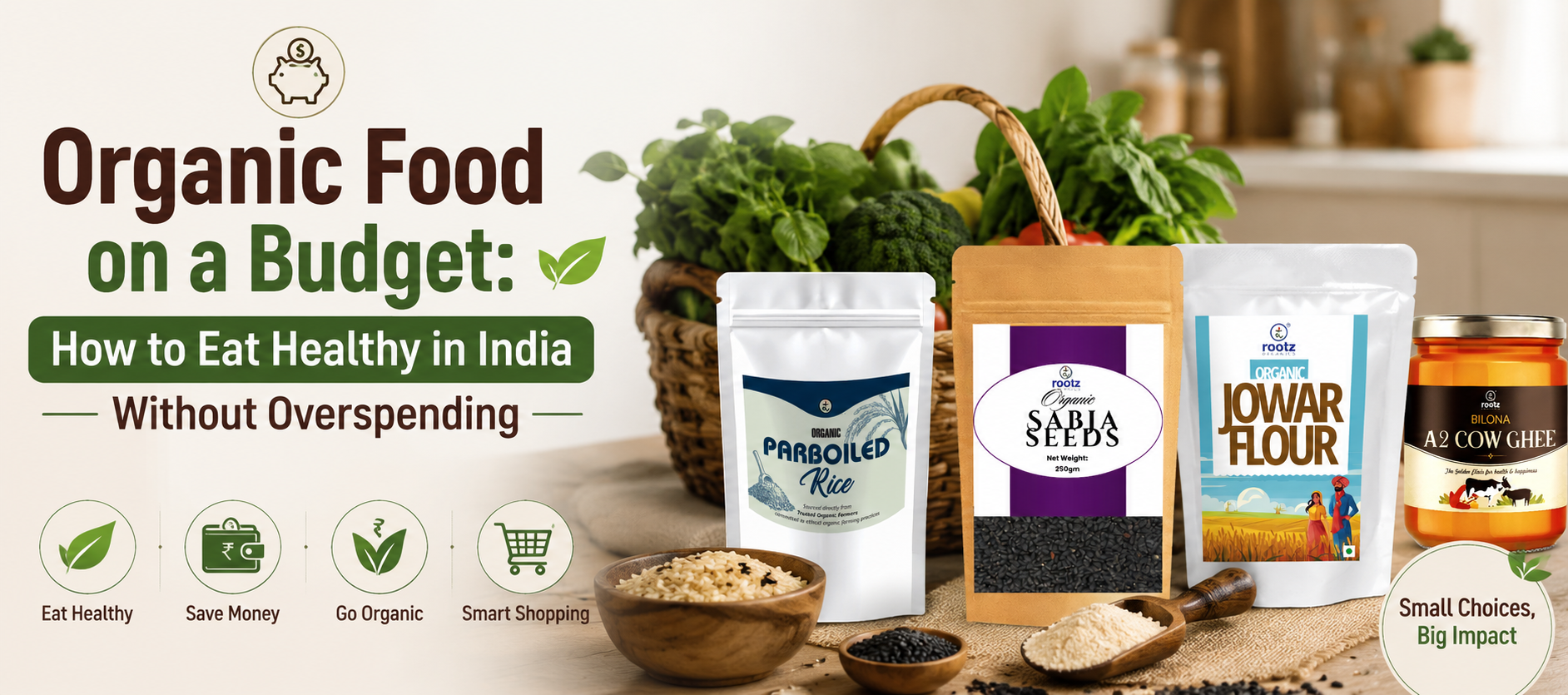
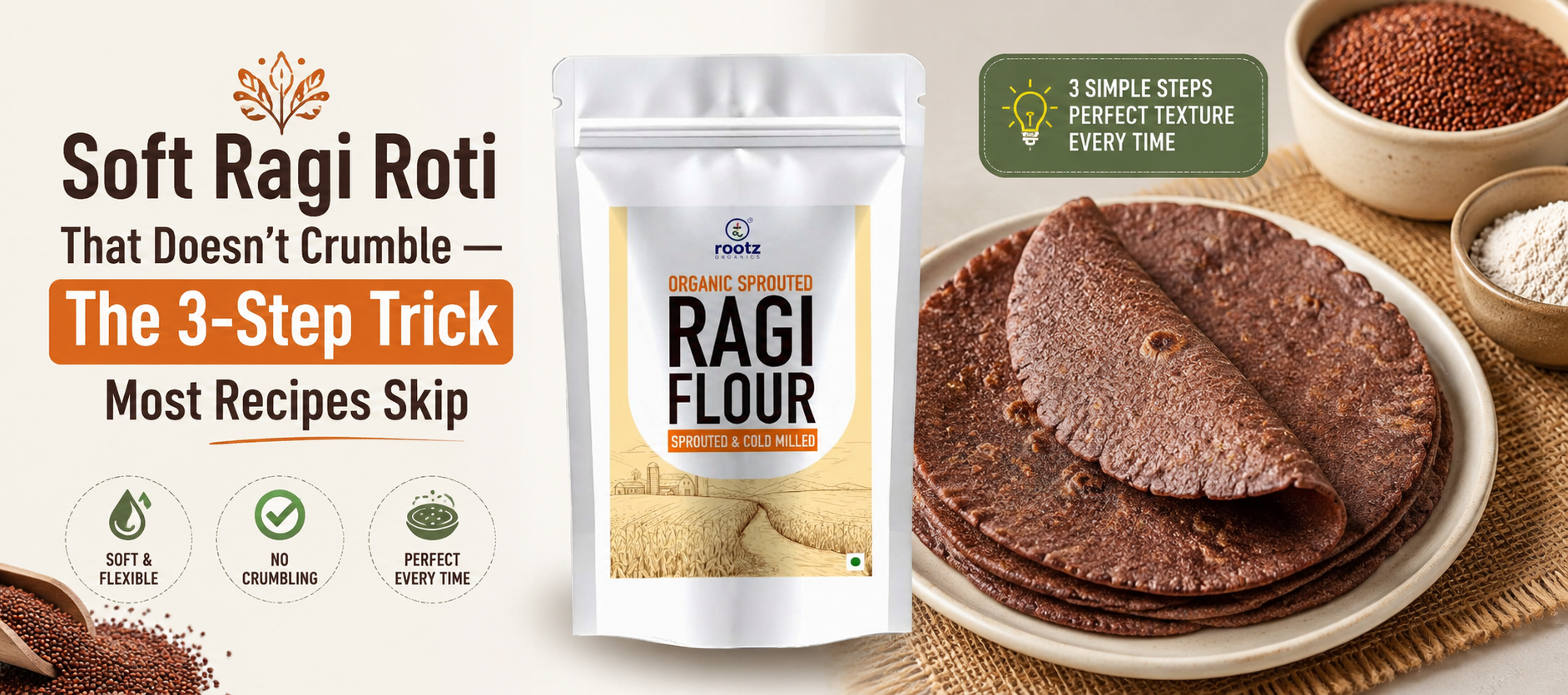
- Start with pantry staples: Grains, pulses, and flours are easier to source organically and store well, making them a practical entry point — organic ragi flour is a good example, given its long shelf life and established role in traditional Indian diets.
- Read the ingredient sourcing: Genuine organic brands disclose farm sourcing, batch testing, and certification details rather than vague "natural" claims.
- Balance budget and impact: Even partially shifting toward organic staples reduces chemical exposure without requiring a full lifestyle overhaul.
An Expert Perspective on the Transition
Agricultural extension officers working with transitioning farmers in India consistently report the same pattern: the first two to three years of organic conversion are the hardest, both financially and in terms of pest management, because soil biology needs time to rebuild after years of chemical dependency. Farmers who succeed long-term are typically the ones who combine organic certification with diversified cropping and direct-to-consumer sales channels, rather than relying on organic status alone to command a premium.
Summary: What the Evidence Actually Supports
This overall comparison is not a simple binary. Conventional farming currently delivers higher yields and lower short-term costs, while organic farming delivers measurably lower chemical residue, better long-term soil health, and reduced environmental impact. For Indian consumers, the most evidence-backed approach is a gradual shift toward organic staples, starting with high-residue crops and daily-use grains, rather than an abrupt or all-or-nothing switch. A verified online organic grocery that discloses sourcing and certification is a practical place to begin that shift.
Frequently Asked Questions
Is organic food actually healthier than conventional food?
Organic food generally contains lower pesticide residue and slightly higher antioxidant levels than conventional food, based on peer-reviewed research. However, the difference in core vitamin and mineral content between the two is usually small, so the main health benefit is reduced chemical exposure rather than dramatically higher nutrition.
Why is organic food more expensive in India?
Organic food costs more mainly due to lower yields per acre, higher labor requirements for composting and weeding, and certification costs under NPOP or PGS-India. Smaller supply chains and limited economies of scale compared to conventional agriculture also add to retail pricing.
Does organic farming produce lower yields than conventional farming?
Yes, on average organic yields are about 19-25% lower than conventional yields, according to widely cited meta-analyses. The gap is smaller for legumes and perennial crops and tends to narrow further once soil health improves several years into organic management.
Is organic farming better for the environment?
Organic farming generally reduces groundwater nitrate pollution, supports greater biodiversity, and improves long-term soil carbon compared to conventional farming. Conventional farming is more land-efficient per tonne produced but contributes more to fertilizer runoff and pesticide-related harm to pollinators.
How can I start switching to organic food on a budget in India?
Start with high-residue crops like leafy greens and daily staples such as rice, flours, and millets rather than switching everything at once. Prioritizing pantry staples keeps costs manageable while still reducing overall pesticide exposure meaningfully.
-
 August 6th, 2026
 -
 August 6th, 2026