
Sprouted Flour vs Regular Flour: What's the Difference?
Sprouted flour is milled from grains that have been soaked and allowed to germinate before drying, while regular flour is milled directly from the whole, unsprouted grain. Sprouting activates natural enzymes, which is why sprouted flours are widely valued for easier digestion and better nutrient absorption, while regular flour remains the familiar, versatile base for everyday Indian cooking.
Flour sits at the centre of every Indian meal, from soft phulkas to festive sweets. Sprouted flour has recently moved from health-food shelves to everyday pantries, raising a common question: how is it actually different from the regular flour most households have always used, and does the difference really matter for daily cooking? Here's a simple, practical breakdown to help you choose what suits your kitchen.
What is Regular Flour?
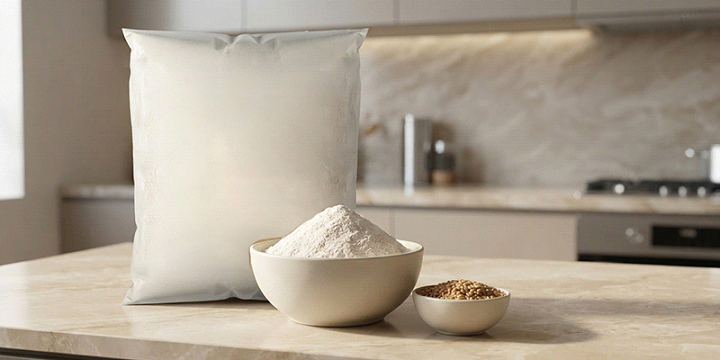
Regular flour is made by cleaning and grinding whole grains, such as wheat, into a fine powder, without any soaking or germination step. It's the traditional method used for generations across India, producing a flour that is stable, easy to store, and familiar in taste. Organic Wheat Flour made through slow, stone-ground milling is a good example, retaining its natural fibre and germ for the everyday roti taste Indian kitchens know well.
What is Sprouted Flour?
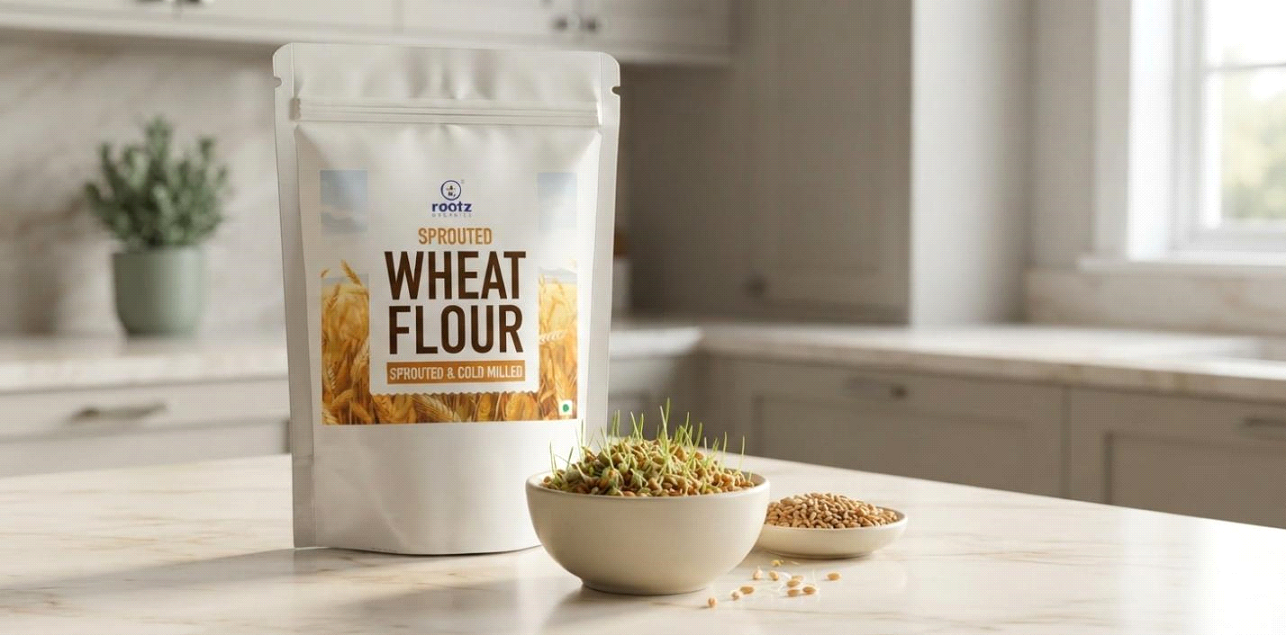
Sprouted flour adds one extra step: whole grains or millets are soaked until they just begin to germinate, then gently air-dried and cold-milled into flour. This activates enzymes within the grain, which is believed to make certain nutrients more bioavailable and the flour gentler on digestion. A good example is sprouted jowar flour, where sorghum millet is soaked, sprouted, low-temperature dried, and cold-milled to preserve its natural nutrition.
Key Differences Between Sprouted Flour and Regular Flour
1. Processing Method
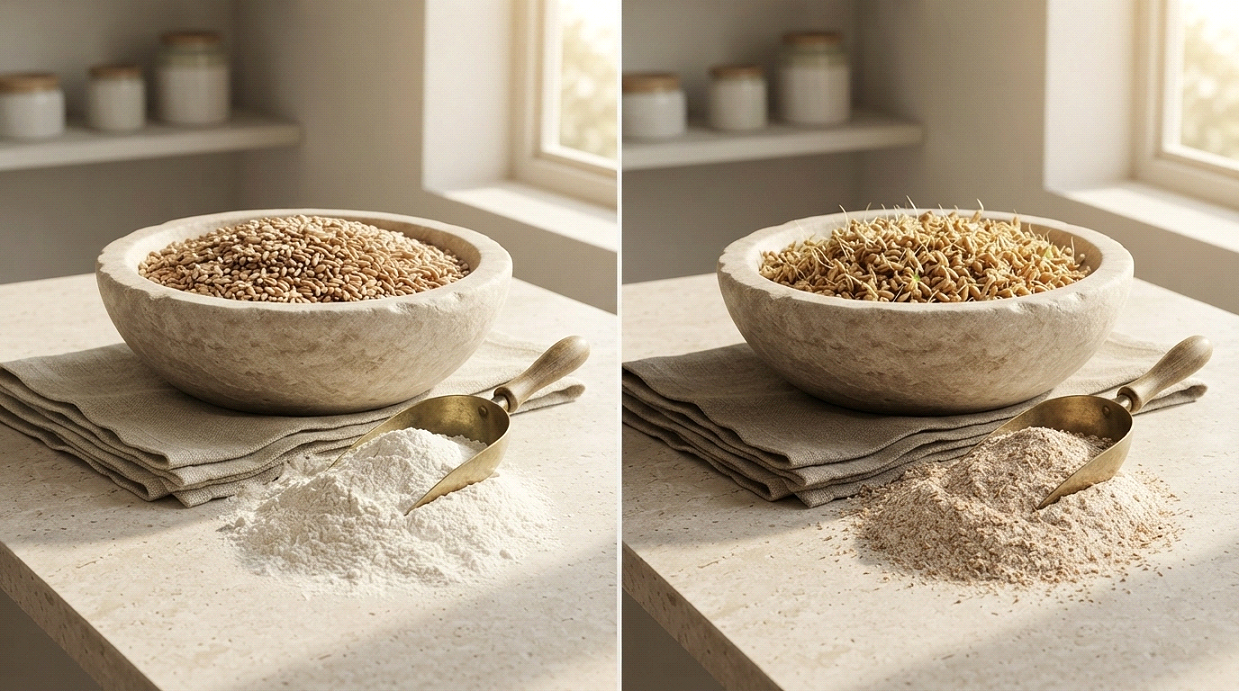
The core difference is the germination step. Regular flour goes straight from grain to mill, while sprouted flour is soaked and sprouted first. This changes the grain's internal structure, which is why the two flours can behave and taste a little different, even when made from the same crop.
2. Nutrient Profile
Sprouting is understood to reduce naturally occurring anti-nutrients like phytic acid, which can otherwise bind to minerals in the grain, so sprouted flours are often linked to better mineral availability. Regular flour retains its complete natural nutrient package and remains a dependable everyday source of fibre, protein, and energy.
3. Digestibility
Many people find sprouted flours easier on the stomach, since sprouting begins breaking down some starches and proteins before milling. Regular flour is well tolerated too and has been a comfortable staple in Indian diets for generations, so the right choice often comes down to personal preference.
4. Taste, Texture and Storage
Sprouted flours tend to have a lighter texture and a subtly nuttier, milder flavour, and may absorb water a little differently, so kneading sometimes needs a small adjustment. Regular flour keeps the classic taste most households already know and generally offers a longer everyday shelf life.
Millets, Gluten and the Sprouting Advantage
Millets such as jowar, ragi, and bajra are naturally free of gluten, which is why they fall under the broader category of Gluten Free Flours. Sprouting these millets adds digestive ease on top of their natural fibre and mineral content, making sprouted millet flours a popular way to diversify your flour box while staying close to traditional Indian grains.
For those who prefer the classic, unsprouted version, Organic Jowar Flour remains a light, naturally gluten-free staple that has nourished Indian kitchens for generations, especially through summer, when jowar rotis and bhakris are traditionally favoured.
Sprouted Flour vs Regular Flour: At a Glance
Aspect | Regular Flour | Sprouted Flour |
Processing | Grain is cleaned and milled directly, no germination step | Grain is soaked, sprouted, dried, then cold-milled |
Nutrient Profile | Retains its complete natural nutrient package | Sprouting is understood to lower anti-nutrients like phytic acid, supporting mineral availability |
Digestibility | Well tolerated; a comfortable everyday staple | Often found easier on the stomach, as sprouting pre-breaks down some starches and proteins |
Taste & Texture | Classic, familiar taste most households know | Lighter texture, subtly nuttier and milder flavour |
Shelf Life | Generally longer, easy to stock in bulk | Best stored airtight and used within a few months for freshness |
Best For | Everyday cooking, traditional recipes, longer storage | Those exploring easier digestion and added nutrient bioavailability |
Which Flour Should You Choose?
There's no single "better" option, only what fits your kitchen. If you enjoy the familiar taste and long shelf life of tradition, regular flour continues to serve that purpose beautifully. If you're curious about the added digestive ease and nutrient bioavailability sprouting offers, adding a sprouted flour alongside your regular staples is an easy way to explore the difference gradually.
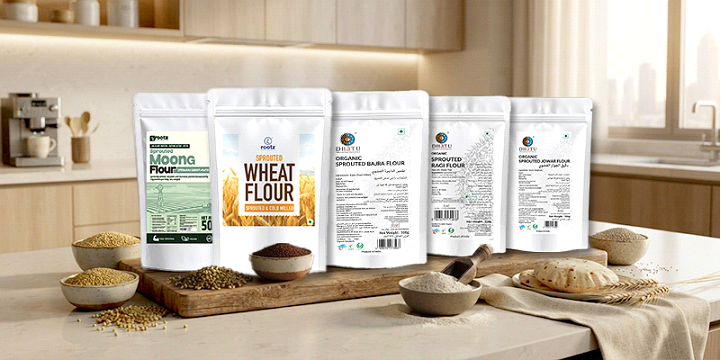
Bringing Both Home, the Organic Way
Whether you choose the tradition of regular atta or the modern appeal of sprouted grains, sourcing clean, chemical-free flour makes the biggest difference to your plate. Rootz Organics stone-grinds and cold-mills its entire range from certified organic Indian farms, so you can explore Organic Flours Online and pick what suits your family.
-
The Hidden Nutritional Power of India’s Ancient Summer Grain
August 26th, 2026 -
 August 25th, 2026
 -

The Science Behind Soaking, Sprouting, Fermenting and Grinding
August 24th, 2026