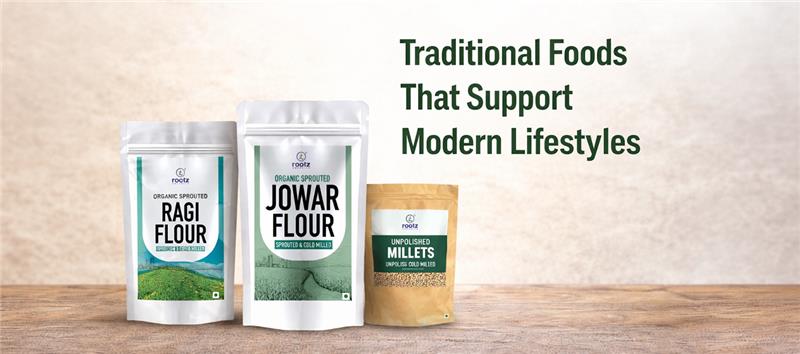
Traditional Foods That Support Modern Lifestyles
In today’s fast-paced world, maintaining a healthy lifestyle can feel challenging. Busy schedules, processed food consumption, and sedentary habits have changed the way people eat. However, the solution to many modern health concerns lies in the wisdom of traditional Indian foods. These time-tested ingredients offer balanced nutrition, natural energy, and long-term wellness benefits that align perfectly with modern lifestyles.
Across India, traditional diets have always emphasized seasonal eating, whole grains, natural fats, and minimally processed foods. Today, health-conscious families are rediscovering the value of millets, cold-pressed oils, and chemical-free foods as sustainable and nutritious alternatives to refined products. By choosing high-quality Organic Food Products Online, consumers can combine convenience with authentic nutrition while supporting healthier living habits.
This article explores how traditional foods continue to support modern lifestyles, improve daily energy, strengthen immunity, and help families make smarter dietary choices in a busy urban environment.
Why Traditional Foods Are Relevant in Modern Life
Traditional Indian foods were designed around natural farming practices, seasonal availability, and balanced nutrition. Unlike highly processed modern foods, these ingredients retain their natural fiber, vitamins, and minerals. As lifestyle-related health issues such as obesity, diabetes, and digestive disorders increase, traditional foods offer practical solutions for preventive health.
Modern consumers are increasingly seeking natural alternatives that provide sustained energy without harmful additives. This shift has created demand for clean-label products, especially among working professionals, parents, and fitness-focused individuals. Choosing quality ingredients such as Organic Oil Online helps reduce exposure to chemicals while improving nutrient absorption in daily meals.
Traditional foods also support sustainability by encouraging local agriculture, reducing food waste, and promoting environmentally responsible consumption. These factors make them highly relevant for modern households looking to balance health, convenience, and responsible living.
The Nutritional Strength of Unpolished Millets in Daily Diets
Millets have been a staple in Indian diets for centuries. They are naturally gluten-free, rich in fiber, and packed with essential minerals such as iron, calcium, and magnesium. Today, nutritionists recommend including Unpolished Millets in regular meals because they retain their natural bran layer, which provides higher nutritional value compared to polished grains.
Unlike refined rice or wheat, millets release energy slowly, helping maintain stable blood sugar levels throughout the day. This makes them especially beneficial for working professionals, students, and individuals managing lifestyle-related health conditions.
Regular consumption of millets can support digestive health, improve metabolism, and enhance overall immunity. Their versatility allows them to be used in rotis, porridge, dosa, snacks, and baked foods, making them easy to incorporate into modern meal plans.
How Organic Ragi Flour Supports Energy and Bone Health
Ragi, also known as finger millet, is one of the most nutrient-dense traditional grains in India. It is naturally rich in calcium, iron, and dietary fiber, making it ideal for children, adults, and elderly individuals. Including organic ragi flour in daily meals helps strengthen bones, improve digestion, and provide sustained energy throughout the day.
For working professionals and active individuals, ragi offers a natural source of slow-release carbohydrates that prevent sudden energy crashes. It is also beneficial for weight management because its high fiber content promotes satiety and reduces overeating.
Ragi-based dishes such as porridge, rotis, pancakes, and healthy snacks are easy to prepare and suitable for modern kitchens. By choosing organically sourced ragi flour, families can ensure safe, chemical-free nutrition for everyday consumption.
The Role of Organic Jowar Flour in Gluten-Free Modern Diets
As awareness about gluten sensitivity and digestive health increases, many households are exploring alternative grains. Jowar, or sorghum, is a naturally gluten-free grain that provides high levels of protein, fiber, and antioxidants. Using organic jowar flour in daily cooking supports gut health while offering a nutritious alternative to refined wheat flour.
Jowar is particularly suitable for people following gluten-free or low-gluten diets. Its slow digestion rate helps maintain steady energy levels and supports healthy weight management. In addition, jowar contains compounds that promote heart health and improve metabolic function.
From traditional rotis to modern baked goods, jowar flour adapts easily to contemporary cooking styles. This flexibility makes it a valuable ingredient for families seeking healthier meal options without compromising taste.
Healthy Fats and the Importance of Choosing Organic Oil Online
Healthy fats play a critical role in maintaining overall wellness. Traditional Indian cooking relied on natural oils such as mustard oil, sesame oil, and groundnut oil, which contain beneficial fatty acids and antioxidants. Today, purchasing Organic Oil Online allows consumers to access cold-pressed oils that preserve their natural nutrients.
Cold-pressed oils are extracted without high heat or chemicals, ensuring better flavor and nutritional quality. These oils support heart health, improve digestion, and enhance nutrient absorption from vegetables and grains.
Replacing refined oils with organic alternatives can significantly reduce exposure to harmful additives and improve long-term health outcomes. This simple change aligns traditional dietary practices with modern wellness goals.
Traditional Foods for Busy Urban Professionals
Modern work schedules often leave little time for elaborate meal preparation. Traditional foods offer practical solutions because they are naturally nutritious, easy to cook, and suitable for batch preparation. Ingredients such as millets, pulses, and cold-pressed oils provide balanced nutrition without requiring complex cooking methods.
Busy professionals can prepare quick meals such as millet khichdi, vegetable porridge, or multigrain rotis that deliver sustained energy throughout the day. These foods help reduce dependence on packaged snacks and improve overall productivity.
Ordering reliable Organic Food Products Online ensures consistent access to high-quality ingredients, saving time while supporting healthier eating habits.
Traditional Foods That Strengthen Immunity Naturally
Immunity has become a major health priority in recent years. Traditional Indian diets include ingredients that naturally support the immune system, such as millets, spices, herbs, and fermented foods. These foods provide essential nutrients that help the body fight infections and maintain overall wellness.
For example, ragi contains antioxidants that protect cells from damage, while jowar supports digestive health through its fiber content. Millets also contain essential minerals that enhance immune function and improve energy levels.
Incorporating nutrient-rich ingredients into daily meals is one of the most effective ways to build long-term immunity without relying on supplements.
Sustainable Eating Through Traditional Food Choices
Sustainability is an important consideration for modern consumers. Traditional foods support environmentally responsible farming practices because they require less water, fewer chemicals, and minimal processing. Millets, in particular, are drought-resistant crops that thrive in diverse climatic conditions.
Choosing traditional ingredients helps reduce environmental impact while supporting local farmers and rural economies. This approach promotes a balanced ecosystem and ensures long-term food security.
By making mindful purchasing decisions, families can contribute to sustainable living while enjoying healthier meals.
How Traditional Foods Support Long-Term Health Goals
Modern lifestyles often involve sedentary routines, irregular eating patterns, and increased stress levels. Traditional foods provide the nutrients needed to maintain physical and mental well-being over time. Their high fiber content supports digestive health, while natural vitamins and minerals improve energy and focus.
Regular consumption of whole grains, natural oils, and minimally processed foods can help reduce the risk of chronic diseases such as diabetes, heart disease, and obesity. These benefits make traditional foods an essential component of preventive healthcare.
Adopting traditional dietary habits does not require drastic lifestyle changes. Small adjustments, such as replacing refined flour with millet flour or switching to natural oils, can create significant health improvements.
The Future of Traditional Foods in Modern Indian Households
The growing popularity of organic and natural foods indicates a shift toward healthier eating habits in India. Consumers are becoming more aware of the connection between diet and overall wellness. As a result, traditional foods are gaining renewed importance in urban kitchens.
Advancements in food processing, packaging, and delivery services have made it easier than ever to access high-quality ingredients. Today, families can conveniently purchase nutritious staples and fresh produce without leaving their homes.
This combination of traditional wisdom and modern convenience ensures that healthy eating remains practical and sustainable for future generations.
Conclusion
Traditional foods continue to play a vital role in supporting modern lifestyles. Their natural nutritional value, versatility, and sustainability make them ideal for individuals seeking balanced health in a fast-paced world. By incorporating millets, natural oils, and chemical-free ingredients into daily meals, families can improve energy levels, strengthen immunity, and maintain long-term wellness.
Making mindful dietary choices today can create lasting health benefits for the future. Embracing traditional foods is not just a return to the past—it is a smart step toward healthier living in the modern age.
Frequently Asked Questions (FAQs)
1. Why are traditional foods considered healthier than processed foods?
Traditional foods are typically less processed and retain their natural nutrients. They contain higher fiber, vitamins, and minerals, which support digestion, immunity, and long-term health compared to highly refined packaged foods.
2. How often should millets be included in a weekly diet?
Nutrition experts recommend consuming millets at least three to four times per week. This frequency helps improve digestion, maintain energy levels, and provide essential nutrients without replacing other food groups entirely.
3. Are traditional foods suitable for weight management?
Yes, traditional foods such as millets and whole grains are rich in fiber and promote fullness, reducing overeating. They also support stable blood sugar levels, which helps manage body weight effectively.
4. Can traditional foods fit into a modern busy lifestyle?
Absolutely. Many traditional dishes are simple to prepare and can be cooked in advance. Using ready-to-cook ingredients and reliable online delivery services makes healthy eating convenient for busy households.
5. What is the best way to transition from processed foods to traditional foods?
Start gradually by replacing refined ingredients with whole grains, natural oils, and minimally processed foods. Small changes, such as choosing healthier flour or cooking oil, can lead to significant long-term health benefits.
-
Why More Doctors Are Recommending Traditional Indian Foods Again
July 24th, 2026 -
Why Are So Many Healthy-Looking Foods Actually Ultra-Processed
July 24th, 2026 -
Healthy School Tiffin Ideas Using Millets and Sprouted Flours
July 22nd, 2026 -
Why Modern Indian Wheat Isn't the Same as It Was 30 Years Ago
July 16th, 2026