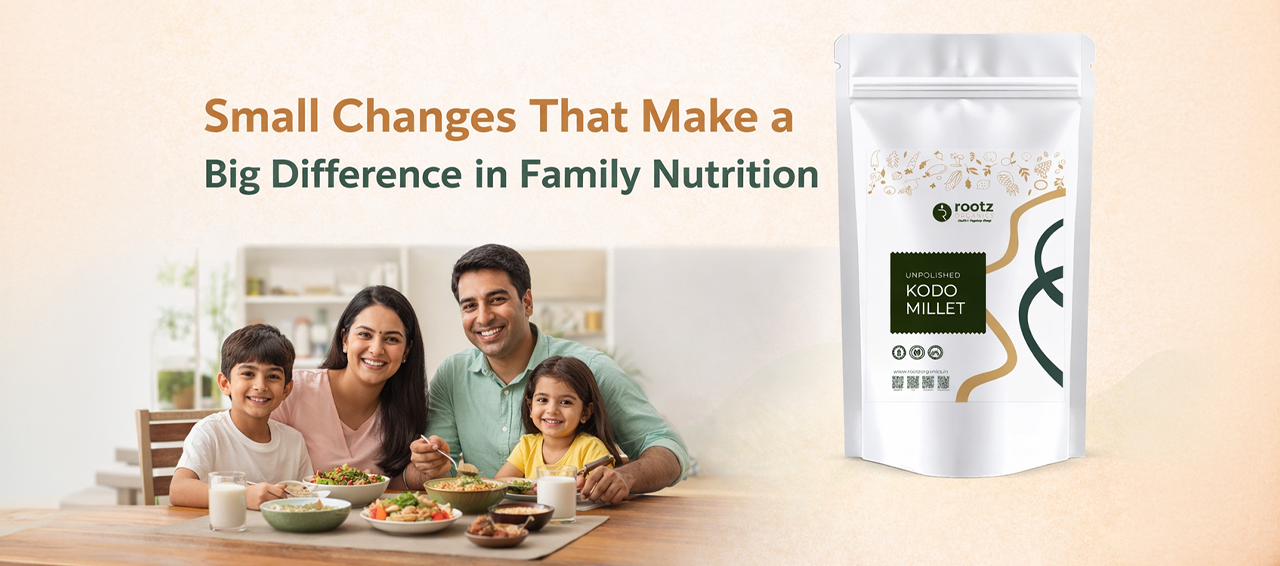
Small Changes That Make a Big Difference in Family Nutrition
In today’s fast-paced Indian lifestyle, maintaining balanced family nutrition can feel challenging. Between busy work schedules, school routines, and rising health concerns, many families struggle to make consistent healthy choices. However, the truth is simple: improving family nutrition does not require drastic lifestyle changes. Small, mindful adjustments in daily food habits can create long-term health benefits for every member of the household.
Across India, there is a growing awareness about clean eating, traditional grains, and natural food choices. Families are slowly moving away from heavily processed foods and rediscovering wholesome ingredients that have been part of Indian kitchens for generations. These gradual changes are not trends; they are practical steps toward better immunity, improved digestion, and sustainable health.
This guide explores realistic, science-backed, and culturally relevant nutrition habits that Indian families can adopt easily. These small changes are designed to fit modern lifestyles while preserving traditional food wisdom. When implemented consistently, they can transform everyday meals into powerful tools for long-term wellness.
Why Small Changes Matter More Than Big Diet Plans
Many people believe that improving nutrition requires strict dieting or eliminating favorite foods. In reality, sustainable health comes from consistency rather than perfection. Small adjustments in food quality, portion balance, and meal timing often deliver better results than extreme diet plans.
For Indian families, this approach is especially important because meals are deeply connected to culture, tradition, and social bonding. Instead of changing everything overnight, focusing on gradual improvements allows families to maintain familiar tastes while enhancing nutritional value.
For example, replacing refined grains with traditional grains, adding seasonal vegetables, or choosing healthier cooking oils can significantly improve nutrient intake without disrupting daily routines. These simple decisions support steady energy levels, stronger immunity, and improved metabolic health.
Start with Smarter Grocery Choices for Everyday Nutrition
Healthy eating begins long before cooking—it starts at the grocery store. The quality of ingredients purchased directly influences the nutritional value of meals prepared at home. Choosing fresh, minimally processed foods ensures that families receive essential vitamins, minerals, and natural fiber.
One practical step is to prioritize whole foods such as fruits, vegetables, legumes, nuts, seeds, and traditional grains. These ingredients provide sustained energy and support digestive health. Reading labels carefully and selecting clean-label products without artificial additives can further enhance food safety and nutrition.
Today, many households prefer to purchase Organic Food Products Online because it offers convenience, transparency, and access to certified products. This shift helps families maintain consistent quality in their daily meals while saving time in busy urban environments.
Bring Back Traditional Grains for Balanced Nutrition
Rediscover the Benefits of Unpolished Millets
Traditional grains have been part of Indian diets for centuries, yet modern food habits replaced many of them with refined carbohydrates. Reintroducing millets into daily meals is one of the simplest and most effective ways to improve family nutrition.
Unpolished millets retain their natural fiber, vitamins, and minerals because they are minimally processed. This makes them superior to refined grains in supporting digestion, maintaining blood sugar balance, and providing long-lasting energy.
Millets are also naturally gluten-free and environmentally sustainable, making them suitable for individuals with dietary sensitivities and for families aiming to adopt eco-friendly food practices.
Include Organic Millets Online for Daily Meal Planning
Adding millet-based dishes to weekly meal plans can significantly enhance nutritional diversity. Options such as millet khichdi, dosa, porridge, and rotis are easy to prepare and well-suited to Indian taste preferences.
Many families now prefer purchasing Organic Millets Online to ensure purity, consistent quality, and convenience. Access to reliable sources makes it easier to incorporate these nutritious grains into everyday cooking routines.
Upgrade Your Flour Choices for Better Digestive Health
Flour is a staple ingredient in most Indian households, used daily for rotis, parathas, and snacks. Improving the quality of flour can have a significant impact on overall nutrition.
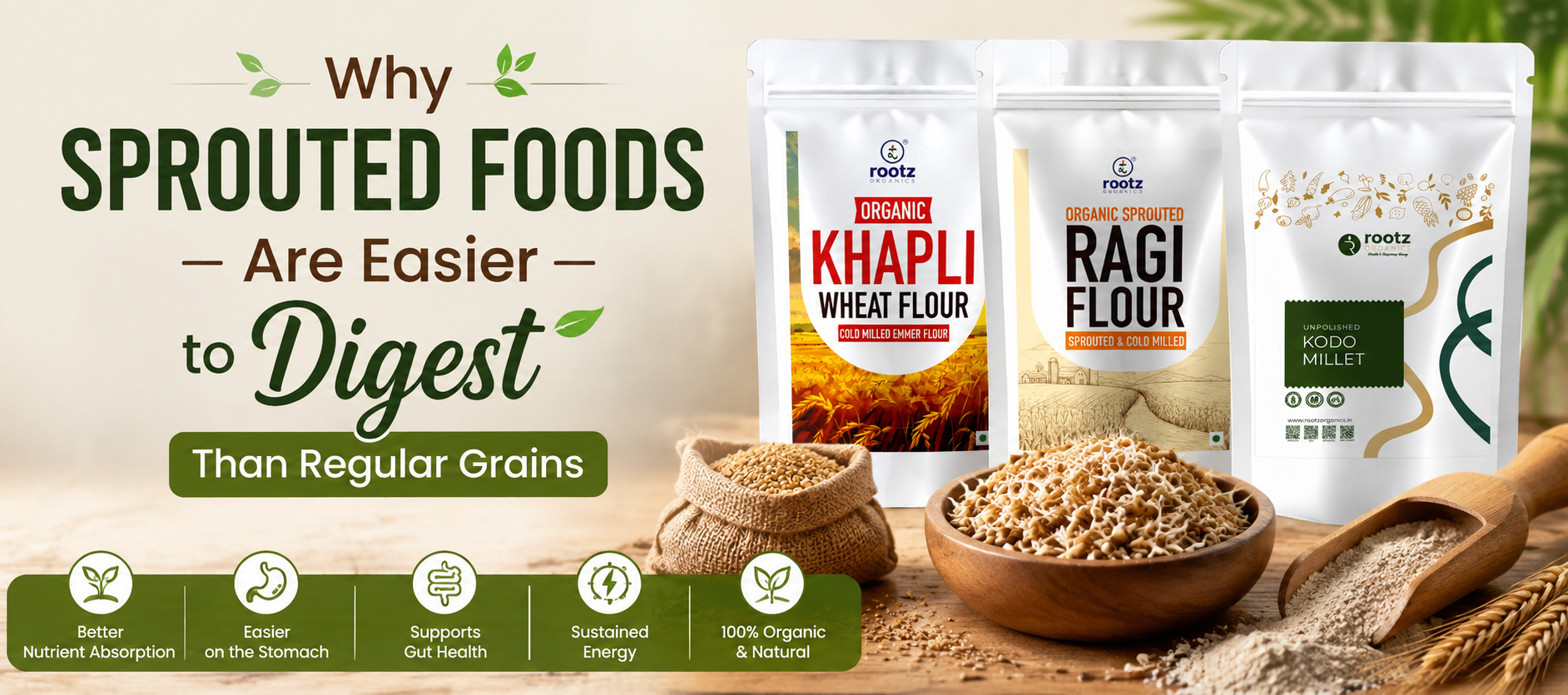
Choose Organic Ragi Flour for Calcium and Bone Strength
Ragi, also known as finger millet, is widely recognized for its high calcium content and excellent nutritional profile. It supports bone health, muscle development, and sustained energy levels for both children and adults.
Using organic ragi flour in breakfast dishes such as porridge, pancakes, or rotis provides essential nutrients without relying on processed cereals. It is particularly beneficial for growing children, pregnant women, and elderly individuals who require higher calcium intake.
Use Organic Jowar Flour for Heart and Metabolic Health
Jowar is another traditional grain known for its fiber content and digestive benefits. It helps regulate blood sugar levels, supports heart health, and promotes satiety, reducing the likelihood of overeating.
Preparing rotis or bhakri using organic jowar flour is a simple way to introduce healthier carbohydrates into daily meals. This small substitution can contribute to better metabolic balance and long-term wellness.
Focus on Portion Balance Instead of Food Restrictions
Balanced nutrition is not about eliminating foods but about managing portions effectively. A well-balanced Indian meal typically includes carbohydrates, proteins, healthy fats, and fiber-rich vegetables.
One practical method is to divide the plate into sections:
- Half the plate filled with vegetables and salads
- One-quarter with whole grains or millets
- One-quarter with protein sources such as lentils, paneer, or legumes
This approach ensures adequate nutrient intake while preventing excessive calorie consumption. It also supports better digestion and sustained energy throughout the day.
Encourage Home-Cooked Meals for Nutritional Control
Home-cooked meals offer better control over ingredients, portion sizes, and cooking methods. They reduce the intake of excess salt, sugar, and unhealthy fats commonly found in restaurant or packaged foods.
Preparing meals at home also allows families to use fresh ingredients and traditional cooking techniques that preserve nutritional value. Simple practices such as steaming, sautéing, and slow cooking help retain vitamins and minerals.
Involving children in meal preparation can further encourage healthy eating habits and increase their awareness of nutrition.
Hydration: The Most Overlooked Nutrition Habit
Water plays a vital role in digestion, nutrient absorption, and temperature regulation. Despite its importance, many families underestimate the need for adequate hydration.
Encouraging regular water intake throughout the day can prevent fatigue, headaches, and digestive discomfort. Including natural beverages such as coconut water, buttermilk, and herbal drinks can also support hydration while providing additional nutrients.
Choose Seasonal and Local Foods for Maximum Nutrition
Seasonal produce is naturally rich in nutrients because it is harvested at peak freshness. It also supports local farmers and reduces environmental impact.
For example:
- Winter vegetables like carrots and spinach provide essential vitamins
- Summer fruits such as mangoes and watermelons support hydration
- Monsoon foods like gourds help maintain digestive health
Eating according to seasonal availability aligns with traditional Indian dietary practices and promotes overall well-being.
Reduce Hidden Sugar and Salt in Daily Diets
Excess sugar and salt intake is a major contributor to lifestyle-related health issues such as obesity, diabetes, and hypertension. Small adjustments can significantly reduce these risks.
Practical steps include:
- Replacing sugary beverages with fresh fruit juices or herbal drinks
- Using natural sweeteners like jaggery in moderation
- Limiting packaged snacks high in sodium
These changes support better metabolic health without compromising taste.
Make Breakfast a Nutrient-Rich Meal
Breakfast is often referred to as the most important meal of the day because it provides energy after an overnight fast. Skipping breakfast can lead to fatigue, reduced concentration, and overeating later in the day.
A balanced Indian breakfast may include:
- Millet porridge or dosa
- Fresh fruits
- Nuts and seeds
- Milk or plant-based beverages
Starting the day with nutritious foods supports cognitive function, physical performance, and overall productivity.
Plan Weekly Meals to Maintain Consistency
Meal planning is one of the most effective ways to maintain balanced nutrition. It reduces last-minute food decisions and ensures that healthy ingredients are always available.
Creating a weekly menu allows families to:
- Maintain dietary variety
- Control grocery expenses
- Reduce food waste
- Save cooking time
This structured approach supports long-term health and simplifies daily routines.
Encourage Mindful Eating for Better Digestion
Mindful eating involves paying attention to hunger cues, chewing food thoroughly, and avoiding distractions during meals. This practice improves digestion and prevents overeating.
Simple mindful eating habits include:
- Eating meals at regular times
- Avoiding screens while eating
- Taking small bites and chewing slowly
These habits enhance nutrient absorption and promote healthier relationships with food.
Support Immunity with Natural, Nutrient-Dense Foods
Strong immunity is essential for protecting families from infections and seasonal illnesses. Consuming nutrient-dense foods rich in vitamins, minerals, and antioxidants strengthens the body’s defense system.
Examples of immunity-supporting foods include:
- Turmeric and ginger
- Leafy green vegetables
- Citrus fruits
- Nuts and seeds
Regular consumption of these foods supports overall health and resilience.
Build Long-Term Healthy Habits for the Whole Family
Nutrition is not a one-time effort but a lifelong commitment. Small, consistent changes in food choices and eating habits create lasting health benefits.
Families that focus on balanced meals, natural ingredients, and mindful eating are more likely to maintain energy, productivity, and well-being over time. These habits also set a positive example for children, encouraging them to develop healthy relationships with food.
Conclusion: Small Daily Choices Lead to Lifelong Health
Improving family nutrition does not require complex diets or expensive supplements. It begins with simple, practical decisions made every day—choosing whole foods, incorporating traditional grains, balancing portions, and maintaining consistent meal routines.
By making small changes in daily eating habits, Indian families can protect their health, support sustainable lifestyles, and build a strong foundation for future generations. Nutrition is not about perfection; it is about progress, consistency, and mindful living.
Frequently Asked Questions (FAQs)
1. What are the easiest small changes families can make to improve nutrition?
Simple changes include adding more vegetables to meals, choosing whole grains instead of refined grains, drinking enough water, and reducing processed food consumption. These steps improve overall health without requiring major lifestyle changes.
2. Are millets suitable for daily consumption in Indian diets?
Yes, millets are highly nutritious and can be consumed daily in moderate portions. They provide fiber, essential minerals, and sustained energy, making them suitable for people of all age groups.
3. How can working professionals maintain healthy eating habits?
Planning meals in advance, carrying home-cooked food, and choosing nutritious snacks such as fruits and nuts can help working professionals maintain balanced nutrition despite busy schedules.
4. Why is switching to organic food beneficial for families?
Organic food is grown without harmful chemicals and pesticides, reducing exposure to toxins. It also supports sustainable farming practices and often provides better nutritional quality.
5. How does meal planning help improve family nutrition?
Meal planning ensures balanced diets, reduces unhealthy food choices, saves time, and promotes consistency in healthy eating habits, making it easier to maintain long-term wellness.Unpolished millets
-
 August 6th, 2026
 -
 August 6th, 2026