
Simple Daily Habits That Can Improve Your Family’s Nutrition Naturally
In today’s fast-paced lifestyle, maintaining healthy eating habits can feel challenging for many Indian families. Busy schedules, reliance on processed foods, and lack of awareness about balanced nutrition often lead to unhealthy dietary patterns. However, the truth is that small, consistent lifestyle changes can significantly Improve Your Family’s Nutrition Naturally without requiring drastic changes or expensive diets. Good nutrition is not just about eating more food; it is about eating the right food in the right way. By adopting simple daily habits such as mindful meal planning, choosing fresh ingredients, staying hydrated, and encouraging home-cooked meals, families can build a strong foundation for long-term health. These habits are especially important in India, where traditional diets already include nutrient-rich grains, pulses, vegetables, and natural fats. This guide explores practical and realistic habits that families can easily follow every day. The focus is on awareness, sustainability, and informed choices that help improve overall well-being while maintaining the cultural richness of Indian food traditions.
Why Everyday Food Choices Matter for Family Health
Nutrition plays a crucial role in growth, immunity, mental health, and energy levels. Children require proper nutrients for development, adults need balanced meals for productivity, and elderly family members depend on nutrient-dense foods to maintain strength and prevent health issues. Modern lifestyles have introduced convenience foods that are often high in refined sugars, unhealthy fats, and artificial additives. Over time, these dietary patterns can lead to lifestyle-related health concerns such as obesity, diabetes, digestive disorders, and low immunity. By focusing on simple habits and nutrient-rich foods, families can Improve Your Family’s Nutrition Naturally while preventing future health complications. Healthy eating is not about strict dieting or eliminating favorite foods. Instead, it is about balance, moderation, and consistency. Even small changes, when practiced daily, can produce meaningful health improvements.
Start the Day with a Balanced Breakfast
Why Breakfast Sets the Tone for the Day
Breakfast is often called the most important meal of the day because it provides energy after overnight fasting. Skipping breakfast can lead to fatigue, poor concentration, and unhealthy snacking later in the day. A balanced breakfast should include carbohydrates, protein, fiber, and healthy fats. Traditional Indian breakfast options such as vegetable poha, idli with sambar, dal chilla, or millet-based dishes offer excellent nutrition and sustained energy.
Simple Tips for a Nutritious Morning Meal
- Include seasonal fruits for vitamins and antioxidants
- Add protein sources such as lentils, paneer, or nuts
- Use whole grains instead of refined flour
- Limit sugary beverages and processed snacks
Starting the day with a wholesome meal supports digestion, boosts metabolism, and improves overall productivity throughout the day.
Cook More Meals at Home Using Fresh Ingredients
Home-cooked meals allow families to control the quality, quantity, and hygiene of their food. Unlike restaurant meals, homemade dishes typically contain fewer preservatives, less salt, and healthier cooking methods. Preparing meals at home also encourages family bonding and helps children develop healthy eating habits from an early age. It ensures that meals are prepared using fresh vegetables, whole grains, and natural ingredients that support long-term health. Choosing high-quality ingredients such as Organic Food Products Online can help families maintain better nutritional standards while reducing exposure to harmful chemicals.
Include Traditional Grains in Daily Meals
The Nutritional Value of Ancient Indian Grains
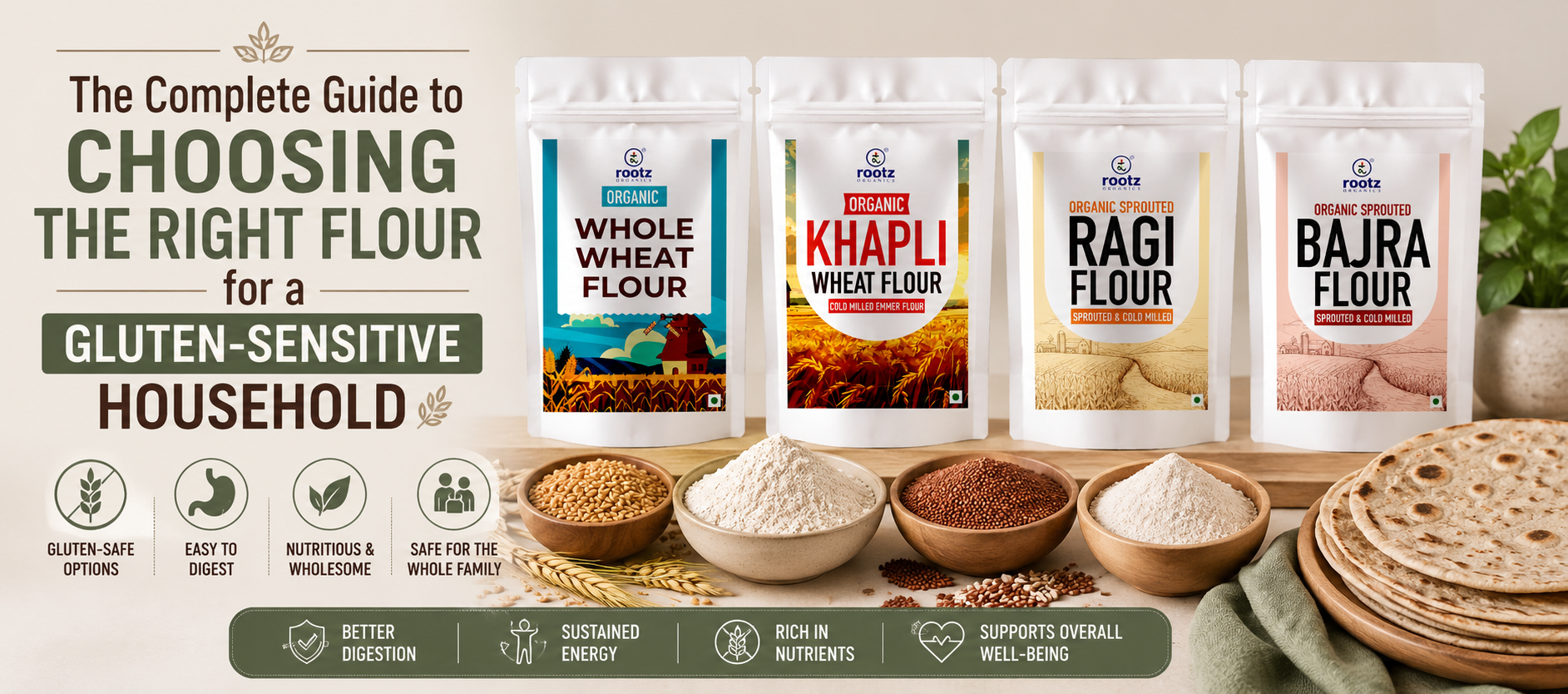
Traditional grains have been a part of Indian diets for centuries. These grains are naturally rich in fiber, minerals, and essential nutrients that support digestion and energy levels. Millets and other traditional grains are particularly beneficial because they are gluten-free, easy to digest, and suitable for all age groups. They also help regulate blood sugar levels and support heart health.
Easy Ways to Add Nutrient-Dense Grains to Your Diet
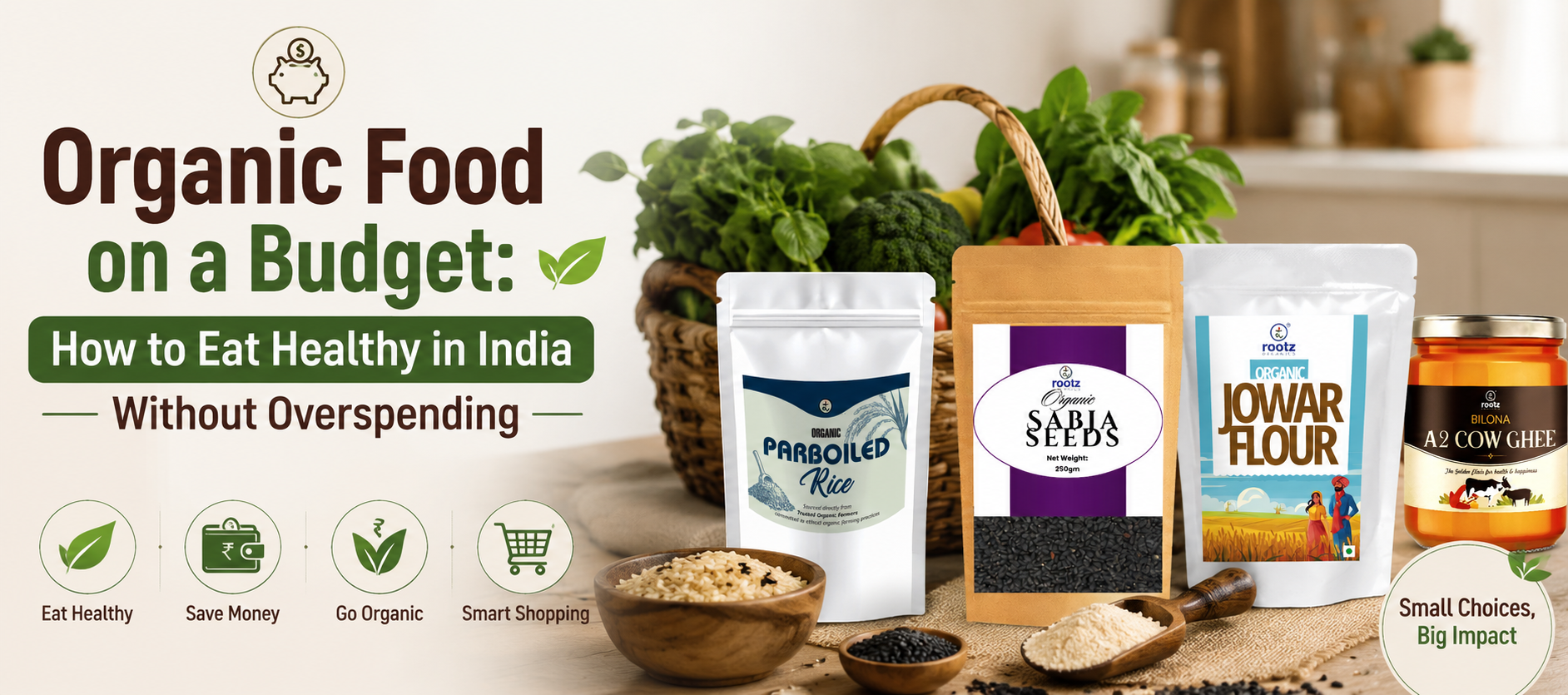
- Prepare rotis using organic jowar flour instead of refined flour
- Add millet-based dishes to weekly meal plans
- Use traditional grains in breakfast recipes
- Experiment with regional recipes that use local grains
Many families are now exploring Organic Millets Online to access a wider variety of traditional grains that support healthier lifestyles.
Encourage Regular Meal Timing
Eating meals at consistent times helps maintain stable energy levels and supports healthy digestion. Irregular eating patterns can disrupt metabolism and lead to overeating or nutrient deficiencies. Establishing a routine for breakfast, lunch, dinner, and snacks helps the body function efficiently. It also reduces the likelihood of unhealthy cravings and late-night eating. Regular meal timing is particularly important for children, as it supports growth, concentration, and emotional stability.
Choose Healthy Cooking Fats in Everyday Meals
Understanding the Importance of Good Fats
Fats are essential for nutrient absorption, hormone production, and brain function. However, the type of fat used in cooking plays a significant role in overall health. Traditional Indian cooking methods often use natural fats that provide energy and support digestion. Using high-quality options such as Cold Pressed Oils helps retain nutrients and reduce harmful compounds created during processing.
Benefits of Using Natural Cooking Fats
- Supports heart health
- Enhances flavor and aroma of food
- Improves nutrient absorption
- Provides sustained energy
Switching to healthier cooking fats is a simple yet powerful step toward improving daily nutrition.
Promote Hydration Throughout the Day
Water is essential for digestion, nutrient transport, and temperature regulation. Despite its importance, many people do not drink enough water during the day. Encouraging family members to drink water regularly can prevent dehydration, improve skin health, and support overall well-being. In hot climates across India, staying hydrated is particularly important to maintain energy and prevent fatigue. Healthy hydration habits include drinking water before meals, carrying reusable water bottles, and limiting sugary beverages.
Introduce Nutritious Snacks Instead of Processed Foods
Snacking is a common part of daily routines, especially for children. However, many packaged snacks contain excessive sugar, salt, and unhealthy fats. Replacing processed snacks with nutrient-rich alternatives can significantly improve dietary quality. Healthy snack options provide energy while supporting growth and immunity.
Healthy Snack Ideas for Families
- Roasted nuts and seeds
- Fresh fruit slices
- Homemade vegetable sandwiches
- Sprouted lentil salads
- Homemade laddoos made with natural ingredients
Providing nutritious snacks helps maintain stable energy levels and reduces dependence on unhealthy foods.
Encourage Children to Develop Healthy Eating Habits Early
Children learn eating behaviors from their parents and caregivers. Introducing healthy foods at a young age helps them develop positive relationships with nutrition. Parents can make mealtimes enjoyable by involving children in food preparation, explaining the benefits of different foods, and offering balanced meals that include a variety of nutrients. Providing safe and nourishing options such as Organic Baby Food ensures that infants and toddlers receive essential nutrients during critical stages of development.
Reduce Sugar and Highly Processed Foods
Excessive sugar consumption is linked to weight gain, dental problems, and metabolic disorders. Processed foods often contain hidden sugars, artificial flavors, and preservatives that reduce nutritional value. Gradually reducing sugar intake can improve energy levels, support healthy weight management, and enhance overall health.
Practical Ways to Reduce Sugar Intake
- Replace sugary drinks with fresh fruit juices or coconut water
- Limit packaged desserts and sweets
- Use natural sweeteners in moderation
- Read food labels carefully
Small changes in sugar consumption can produce significant health benefits over time.
Focus on Seasonal and Local Foods
Seasonal foods are naturally fresher, more affordable, and nutritionally superior. They contain essential nutrients that support the body’s needs during different weather conditions. For example, cooling fruits such as watermelon and cucumber are ideal during summer, while root vegetables and warm soups are beneficial during winter. Choosing locally grown foods also supports farmers and promotes sustainable agriculture practices.
Make Family Meals a Daily Routine
Eating together as a family encourages better food choices and strengthens relationships. Studies show that families who share meals regularly tend to consume more fruits, vegetables, and home-cooked dishes. Family meals also provide an opportunity to discuss daily activities, teach children about nutrition, and create positive dining experiences. Even one shared meal per day can make a meaningful difference in dietary habits and emotional well-being.
Plan Weekly Meals to Maintain Consistency
Meal planning helps families maintain balanced nutrition while saving time and reducing food waste. It ensures that meals include a variety of nutrients and prevents last-minute reliance on unhealthy options.
Steps to Create a Weekly Meal Plan
- List healthy recipes for each day
- Prepare a grocery list in advance
- Include a variety of vegetables and grains
- Keep nutritious snacks readily available
Consistent meal planning supports healthier eating habits and simplifies daily routines.
Practice Mindful Eating for Better Digestion
Mindful eating involves paying attention to hunger cues, chewing food properly, and avoiding distractions during meals. This practice improves digestion and helps prevent overeating. Encouraging family members to eat slowly and enjoy their meals can enhance satisfaction and support better nutrient absorption. Mindful eating also promotes emotional well-being by reducing stress and improving awareness of food choices.
Build a Positive Food Environment at Home
The home environment plays a significant role in shaping dietary habits. Keeping healthy foods visible and accessible encourages better choices. Simple changes such as storing fruits on the dining table, organizing the refrigerator, and limiting junk food purchases can influence daily eating patterns. A supportive food environment makes it easier for families to maintain healthy habits consistently.
Long-Term Benefits of Healthy Daily Habits
Adopting simple daily habits can lead to lasting improvements in physical and mental health. These habits help prevent chronic diseases, strengthen immunity, and enhance overall quality of life. When families prioritize nutrition, they create a foundation for healthier generations. Consistency, awareness, and balanced choices are the key factors that determine long-term success. By focusing on small, achievable changes, families can gradually Improve Your Family’s Nutrition Naturally and build a healthier future together.
Conclusion
Healthy eating does not require complicated diets or expensive ingredients. It begins with simple daily habits that support balanced nutrition and overall well-being. From preparing home-cooked meals and choosing traditional grains to staying hydrated and practicing mindful eating, every small step contributes to better health. Indian families already have access to diverse, nutrient-rich foods rooted in traditional dietary practices. By embracing these habits and making informed choices, families can create sustainable lifestyles that promote energy, immunity, and happiness. Consistency is the most powerful factor in achieving long-term health. With patience and dedication, every household can build a strong nutritional foundation that supports growth, productivity, and well-being for years to come.
Frequently Asked Questions (FAQs)
1. What are the easiest ways to improve family nutrition at home?
Simple steps such as cooking meals at home, eating seasonal foods, maintaining regular meal times, and reducing processed foods can significantly improve overall nutrition.
2. How can parents encourage children to eat healthy foods?
Parents can involve children in meal preparation, offer balanced meals, and set positive examples by practicing healthy eating habits themselves.
3. Why is hydration important for daily health?
Proper hydration supports digestion, energy levels, and body temperature regulation, making it essential for maintaining overall well-being.
4. How often should families plan their meals?
Weekly meal planning is recommended because it helps maintain balanced nutrition, saves time, and reduces reliance on unhealthy food choices.
5. Can small dietary changes really make a difference?
Yes, consistent small changes such as choosing whole foods, reducing sugar intake, and eating balanced meals can lead to significant long-term health improvements.
-
 August 6th, 2026
 -
 August 6th, 2026