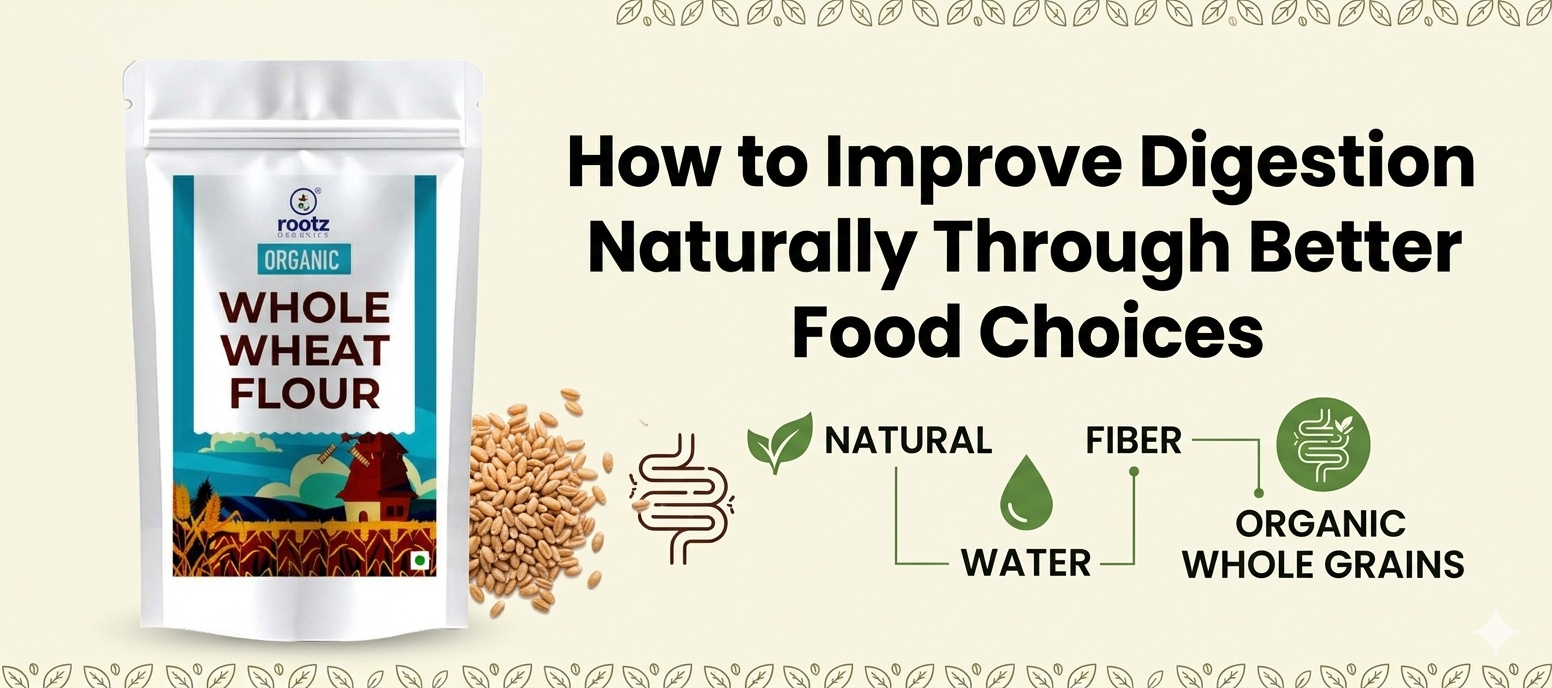
How to Improve Digestion Naturally Through Better Food Choices
Digestive health is the foundation of overall wellness. In India, where food traditions are deeply rooted in culture and Ayurveda, maintaining a healthy digestive system is essential for energy, immunity, and long-term vitality. Modern lifestyles, processed foods, irregular eating habits, and stress have significantly impacted gut health, leading to issues such as acidity, bloating, constipation, and indigestion.
Fortunately, improving digestion does not always require medication. By making smarter food choices and adopting traditional dietary practices, individuals can support their digestive system naturally and sustainably. This guide explains practical, research-backed strategies to Improve Digestion Naturally through mindful eating, nutrient-dense foods, and balanced lifestyle habits tailored to Indian households.
This blog fills a critical information gap often missed by competitors—many focus on short-term remedies rather than long-term digestive wellness through food habits, gut-friendly ingredients, and preventive nutrition. By understanding how digestion works and which foods support it, families can build a stronger foundation for daily health.
Why Digestive Health Matters More Than Ever in Modern Indian Lifestyles
Digestive health affects nearly every system in the body. From nutrient absorption to immune response, the gut plays a vital role in maintaining overall wellness. Poor digestion can lead to fatigue, skin problems, weakened immunity, and chronic health conditions.
In India, changing dietary patterns—such as increased consumption of refined flour, fried snacks, sugary beverages, and packaged foods—have disrupted traditional eating habits. These changes reduce fiber intake and harm beneficial gut bacteria.
Common digestive problems experienced by Indian households include:
- Acidity and heartburn
- Bloating after meals
- Constipation
- Irregular bowel movements
- Gas and abdominal discomfort
- Low energy levels
Addressing these issues requires consistent dietary changes rather than temporary solutions.
How the Digestive System Works: A Simple Explanation for Everyday Awareness
The digestive system breaks down food into nutrients that the body can absorb and use for energy, growth, and repair. This process begins in the mouth and continues through the stomach, intestines, liver, and pancreas.
Healthy digestion depends on several factors:
- A balanced gut microbiome
- Adequate fiber intake
- Proper hydration
- Regular meal timing
- Low stress levels
- Physical activity
When any of these factors are disrupted, digestion slows down or becomes inefficient.
Top Signs Your Digestive System Needs Attention
Many people ignore early signs of digestive imbalance. Recognizing symptoms early helps prevent long-term health complications.
Common Warning Signs
- Frequent acidity or heartburn
- Constipation lasting more than three days
- Persistent bloating after meals
- Sudden food intolerances
- Unexplained fatigue
- Bad breath
- Irregular appetite
If these symptoms occur regularly, dietary changes should be the first step toward recovery.
Best Foods That Support Healthy Digestion Naturally
Food choices directly influence digestive performance. Traditional Indian diets naturally included ingredients that supported gut health, but modern eating patterns often lack these essential components.
1. Fiber-Rich Whole Grains
Dietary fiber improves bowel movement regularity and supports beneficial gut bacteria. Whole grains also provide essential vitamins and minerals that enhance digestive efficiency.
Including Gluten Free Flours in daily meals can be beneficial for individuals with gluten sensitivity or digestive discomfort. These flours are easier to digest and help reduce inflammation in the digestive tract.
Examples include:
- Jowar
- Bajra
- Ragi
- Amaranth
- Brown rice
2. Traditional Grains That Promote Gut Health
Ancient grains have been part of Indian diets for centuries and are known for their digestive benefits. These grains contain resistant starch and natural fiber that support gut microbiota.
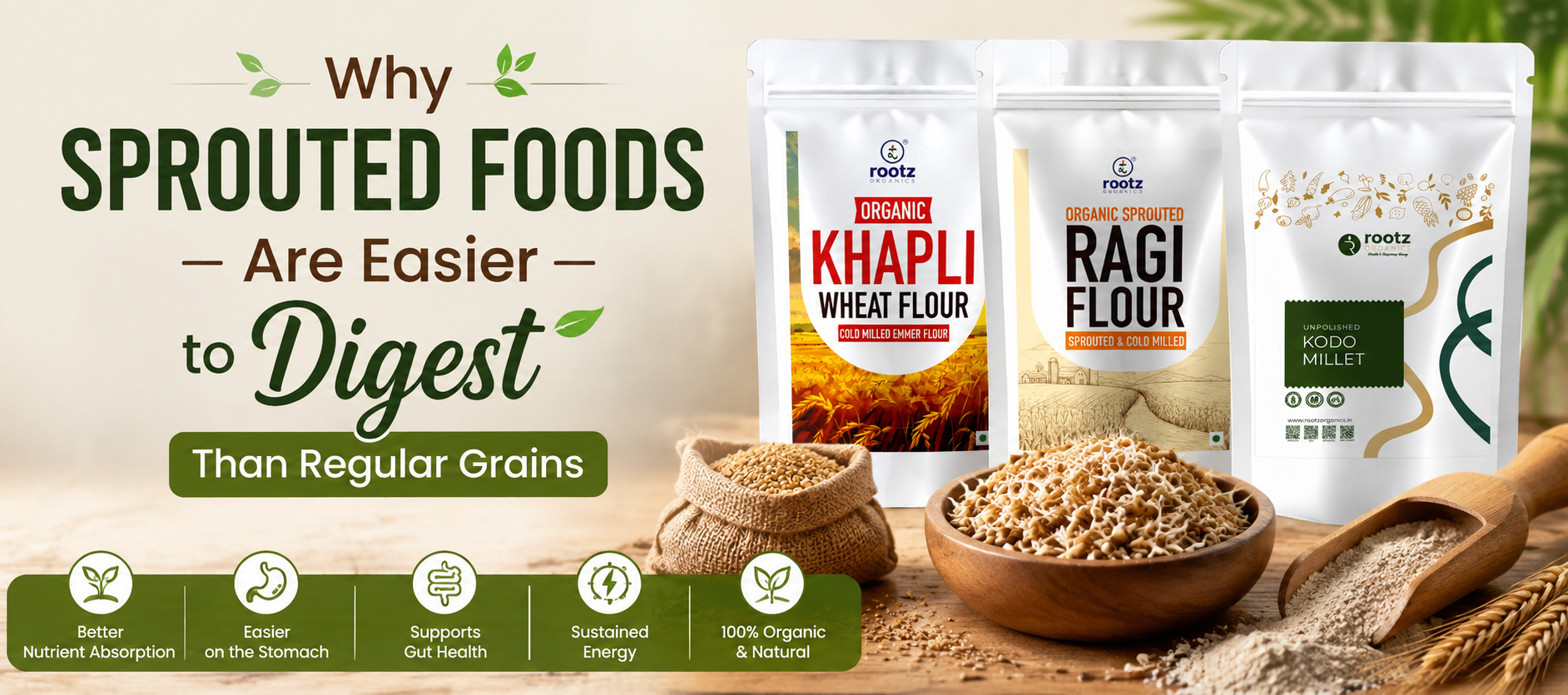
Adding Unpolished Millets to meals helps improve digestion by maintaining the natural fiber and nutrient content often lost during processing.
Millets also help:
- Prevent constipation
- Stabilize blood sugar
- Improve metabolism
- Enhance satiety
3. Healthy Fats That Aid Nutrient Absorption
Healthy fats are essential for digestion because they support the absorption of fat-soluble vitamins such as A, D, E, and K.
Using Organic A2 Ghee in moderation can help lubricate the digestive tract and support gut lining health. Traditional Indian cooking practices often included small amounts of ghee to enhance digestion and nutrient absorption.
Benefits include:
- Improved digestion
- Reduced inflammation
- Better nutrient absorption
- Enhanced energy levels
4. Easily Digestible Grain Alternatives
Choosing lighter grains can reduce digestive strain, especially for individuals experiencing bloating or heaviness after meals.
Using organic jowar flour in rotis or baked foods provides fiber and essential nutrients while remaining gentle on the digestive system.
Jowar is particularly suitable for:
- People with sensitive digestion
- Children and elderly individuals
- Individuals managing weight
Daily Eating Habits That Strengthen Digestive Health
Food quality is important, but eating habits are equally critical for digestive wellness. Small changes in daily routines can significantly improve digestion.
Eat at Consistent Times
Regular meal timing helps regulate digestive enzymes and improves nutrient absorption. Skipping meals or eating late at night disrupts digestive rhythm.
Chew Food Slowly
Digestion begins in the mouth. Proper chewing reduces the workload on the stomach and improves nutrient breakdown.
Avoid Overeating
Large meals can overwhelm the digestive system and cause discomfort. Eating smaller, balanced portions supports smoother digestion.
Stay Hydrated Throughout the Day
Water helps move food through the digestive tract and prevents constipation. Drinking warm water in the morning is a traditional practice that supports digestion.
Foods That Commonly Disrupt Digestion
Identifying foods that trigger digestive discomfort is essential for maintaining gut health.
Highly Processed Foods
Processed foods often contain preservatives, artificial flavors, and refined sugars that disrupt gut bacteria.
Excessively Fried Foods
Deep-fried foods slow digestion and increase acidity levels.
Refined Flour Products
Refined flour lacks fiber and can contribute to constipation and bloating.
Sugary Beverages
High sugar intake can cause gut imbalance and digestive inflammation.
Traditional Indian Remedies That Support Digestive Wellness
Indian households have long relied on natural remedies to maintain digestive health. Many of these practices are supported by modern nutrition science.
Jeera Water
Cumin seeds improve digestion by stimulating enzyme production.
Buttermilk
Buttermilk contains probiotics that support healthy gut bacteria.
Ginger
Ginger helps reduce nausea, bloating, and indigestion.
Ajwain
Carom seeds relieve gas and improve digestive comfort.
The Role of Gut Bacteria in Digestive Health
The human gut contains trillions of microorganisms that influence digestion, immunity, and metabolism. Maintaining a balanced gut microbiome is essential for long-term health.
Factors that support healthy gut bacteria include:
- High-fiber foods
- Fermented foods
- Regular physical activity
- Reduced stress
- Adequate sleep
When gut bacteria are balanced, digestion becomes more efficient and nutrient absorption improves.
How Stress and Lifestyle Habits Affect Digestion
Stress is one of the most overlooked causes of digestive problems. When the body is stressed, digestion slows down and nutrient absorption decreases.
Common stress-related digestive issues include:
- Acidity
- Bloating
- Loss of appetite
- Constipation
Managing stress through relaxation techniques can significantly improve digestive health.
Simple Lifestyle Changes That Help Improve Digestion Naturally
Long-term digestive wellness depends on consistent daily habits rather than short-term remedies.
Stay Physically Active
Regular movement stimulates intestinal activity and improves digestion.
Get Enough Sleep
Sleep helps regulate hormones that control appetite and digestion.
Reduce Screen Time During Meals
Mindful eating improves digestion by allowing the body to focus on food processing.
Practice Portion Control
Balanced portions reduce digestive strain and improve comfort after meals.
These habits make it easier to Improve Digestion Naturally without relying on medications.
Choosing Safe and Natural Food Sources for Better Digestive Health
Food quality plays a crucial role in digestive wellness. Choosing natural, minimally processed ingredients helps maintain gut health and prevents digestive disorders.
Purchasing groceries from a trusted Online Organic Grocery platform ensures access to clean-label foods free from harmful additives and preservatives.
Benefits include:
- Higher nutrient quality
- Reduced exposure to chemicals
- Better digestive comfort
- Improved long-term health
Access to reliable sources of Organic Food Products Online makes it easier for families to maintain healthy eating habits consistently.
Building a Digestive-Friendly Plate for Everyday Indian Meals
A balanced meal supports digestion by providing essential nutrients in the right proportions.
Ideal Meal Composition
- 50% vegetables
- 25% whole grains
- 15% protein
- 10% healthy fats
This structure ensures proper digestion, sustained energy, and improved nutrient absorption.
Who Benefits Most from Improving Digestive Health Through Food Choices
- Working professionals with irregular schedules
- Children with low appetite
- Elderly individuals experiencing slow digestion
- Fitness enthusiasts
- People with sedentary lifestyles
- Individuals managing weight
These groups often experience digestive discomfort due to lifestyle patterns, making dietary adjustments especially important.
Future Trends in Digestive Wellness and Natural Nutrition
Consumer awareness about gut health is rapidly increasing in India. People are moving toward preventive nutrition rather than reactive treatment.
Emerging trends include:
- High-fiber diets
- Plant-based eating
- Traditional grains revival
- Clean-label foods
- Functional nutrition
These trends highlight the growing importance of natural food choices in maintaining digestive wellness.
Conclusion: Small Food Choices Create Big Digestive Improvements
Digestive health is not determined by a single meal but by consistent daily habits. Choosing whole foods, maintaining regular eating patterns, staying hydrated, and managing stress can significantly improve digestion over time. By focusing on natural ingredients and mindful eating practices, individuals can build a stronger digestive system and enhance overall wellness. These changes are simple, sustainable, and suitable for Indian households seeking long-term health benefits. Making smarter food decisions today creates a healthier foundation for tomorrow.
Frequently Asked Questions (FAQs)
1. What are the easiest ways to improve digestion at home?
Eating fiber-rich foods, drinking enough water, maintaining regular meal timing, and staying physically active are the simplest ways to support digestion naturally.
2. Which foods should be avoided for better digestive health?
Highly processed foods, deep-fried snacks, sugary drinks, and refined flour products can disrupt digestion and should be limited.
3. How long does it take to see improvement in digestion after dietary changes?
Most people notice improvements within one to two weeks after adopting healthier eating habits and increasing fiber intake.
4. Can stress affect digestion?
Yes, stress slows digestion and can cause symptoms such as acidity, bloating, and constipation. Stress management techniques help improve gut health.
5. Are traditional Indian foods good for digestion?
Yes, traditional foods such as millets, fermented foods, spices, and herbal drinks are naturally designed to support digestion and overall wellness.
-
 August 6th, 2026
 -
 August 6th, 2026