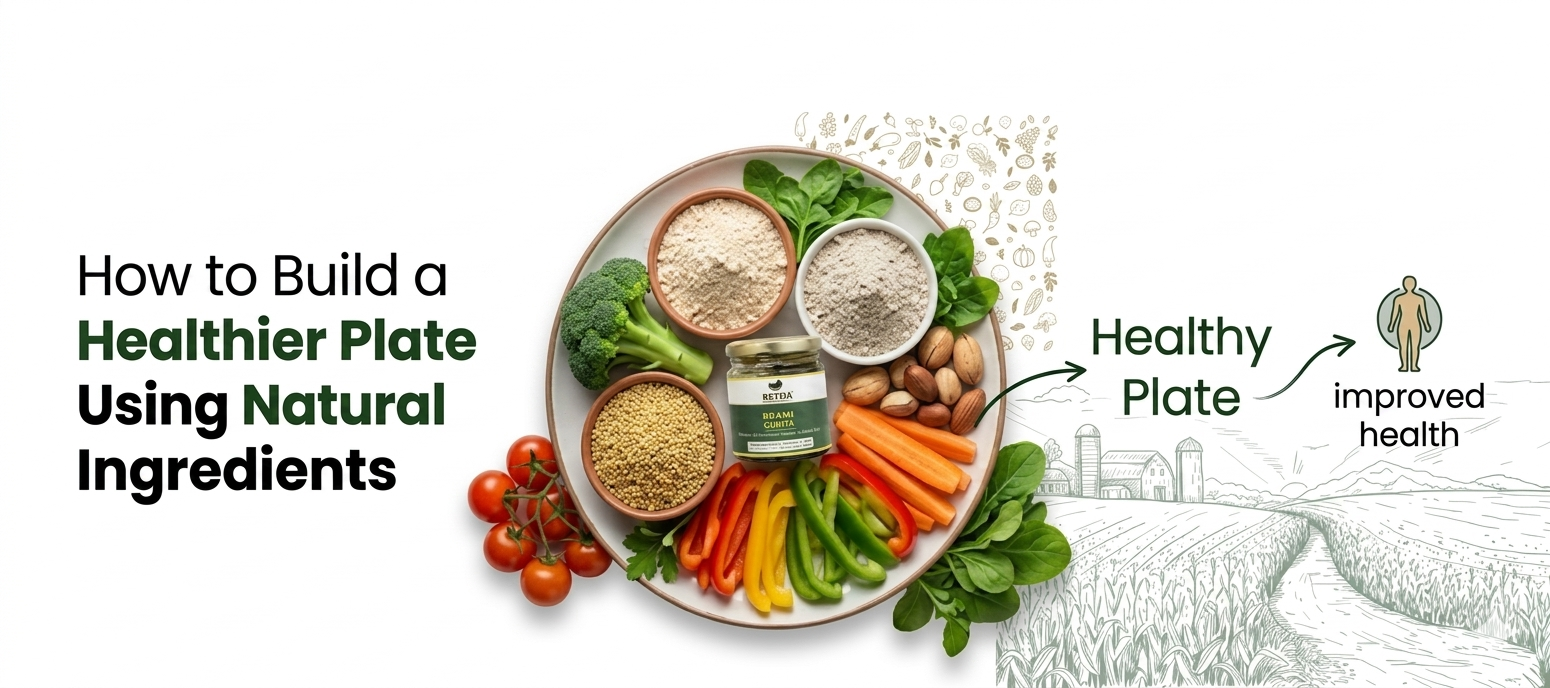
How to Build a Healthier Plate Using Natural Ingredients
In today’s fast-paced lifestyle, food choices have become more convenient but often less nutritious. Highly processed meals, refined grains, and artificial additives have slowly replaced traditional, wholesome foods in many Indian households. As awareness about wellness grows, people are now looking for simple ways to improve their daily diet without making drastic changes.
This is where the concept of Build a Healthier Plate Using Natural Ingredients becomes highly relevant. It focuses on using real, minimally processed foods that nourish the body, support digestion, and enhance long-term health. Natural ingredients are not just a trend—they are rooted in India’s traditional eating habits, where meals were prepared from seasonal grains, fresh vegetables, and pure fats.
This guide explains practical, science-backed strategies to create balanced meals using natural foods. Whether you are a parent planning family meals, a working professional managing time, or a health-conscious individual focusing on wellness, these insights will help you make smarter food decisions every day.
Why Modern Diets Need a Natural Reset
Over the past decade, dietary patterns have shifted significantly. Many households rely heavily on packaged foods due to busy schedules and easy availability. While convenient, these foods often contain refined sugar, preservatives, and unhealthy fats that may affect long-term health.
Common health concerns such as obesity, digestive issues, fatigue, and lifestyle disorders are increasingly linked to poor dietary choices. Nutrition experts recommend returning to natural ingredients as a preventive approach to health.
Key Reasons to Choose Natural Foods
- Higher nutrient density compared to processed foods
- Better digestion and gut health
- Reduced exposure to chemicals and additives
- Improved immunity and energy levels
- Support for sustainable and eco-friendly living
By gradually replacing refined and processed foods with natural alternatives, families can improve overall wellness without compromising taste or convenience.
What Does a Balanced and Nutritious Plate Look Like?
A healthy meal is not about strict dieting or eliminating favorite foods. Instead, it is about achieving balance among different food groups. The traditional Indian thali is a perfect example of a balanced meal that includes grains, vegetables, protein, and healthy fats.
The Ideal Composition of a Healthy Plate
- 50% Vegetables and Fruits – Rich in vitamins, minerals, and fiber
- 25% Whole Grains – Provide sustained energy
- 15–20% Protein – Supports muscle growth and repair
- 5–10% Healthy Fats – Essential for brain and hormone health
This structure ensures the body receives all essential nutrients required for daily functioning.
Top Natural Ingredients That Improve Everyday Nutrition
India has a rich tradition of using natural foods that support health and longevity. Many of these ingredients are now gaining global recognition for their nutritional benefits.
1. Whole Grains and Traditional Cereals
Whole grains are an excellent source of fiber, vitamins, and minerals. Unlike refined grains, they retain their natural nutrients and support digestive health.
One popular category gaining attention today is Gluten Free Flours, which are suitable for individuals with gluten sensitivity and those seeking lighter digestion. These flours are commonly made from millets, rice, or pulses and are widely used in traditional Indian cooking.
2. Nutrient-Dense Millets
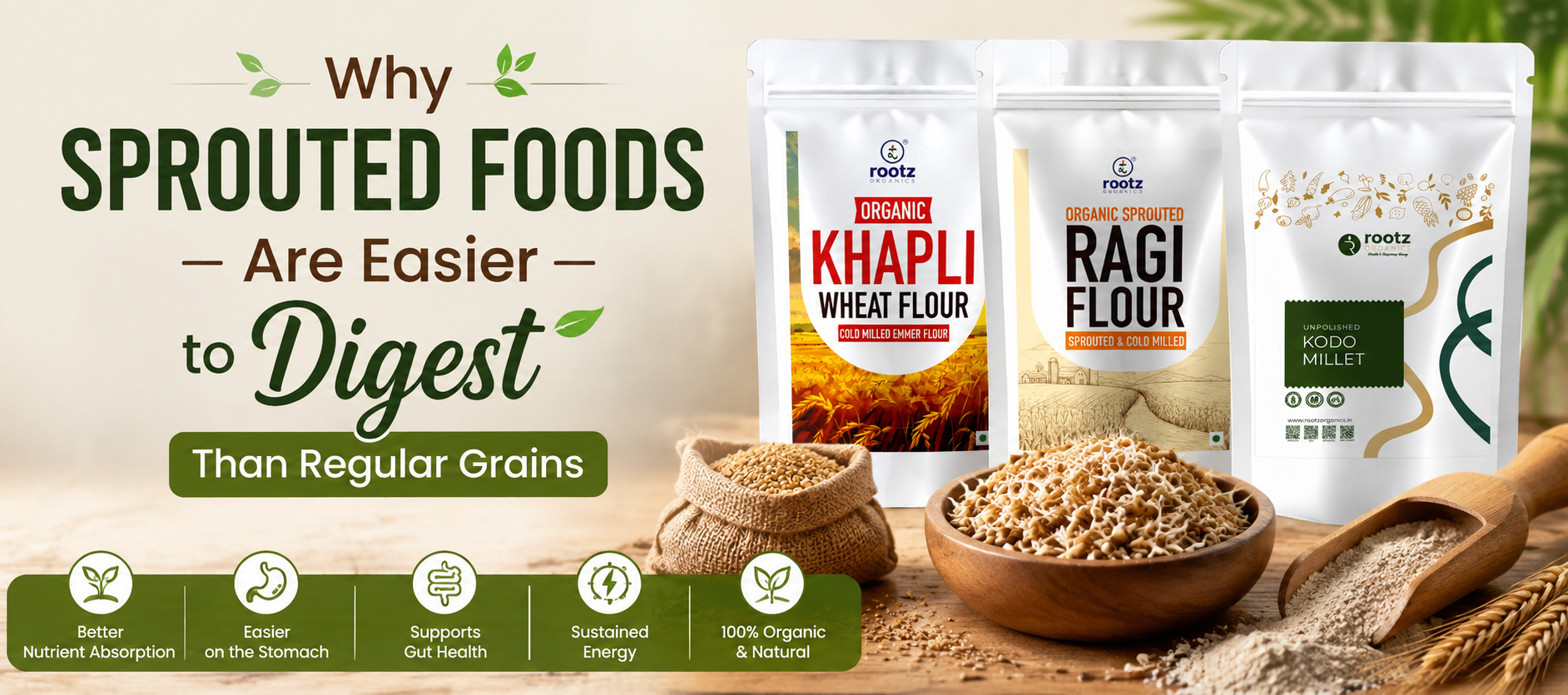
Millets have been a staple in Indian diets for centuries. They are naturally rich in fiber, iron, and antioxidants. Unlike polished grains, Unpolished Millets retain their bran layer, which enhances nutritional value and supports blood sugar control.
Regular consumption of millets can help:
- Improve digestion
- Support heart health
- Maintain stable energy levels
- Promote weight management
3. Healthy Traditional Fats
Contrary to popular belief, healthy fats are essential for overall wellness. Traditional Indian fats provide nourishment and improve nutrient absorption.
One widely used option is Organic A2 Ghee, known for its rich flavor and potential digestive benefits. It contains fat-soluble vitamins and supports gut health when consumed in moderation.
4. Fiber-Rich Grain Alternatives
Ancient grains such as sorghum have been used in Indian kitchens for generations. Today, Organic jowar flour is valued for its high fiber content and ability to support heart health and digestion.
This flour is commonly used in rotis, pancakes, and baked snacks, making it a versatile addition to modern diets.
How to Plan Healthy Meals for Busy Indian Lifestyles
Time constraints are one of the biggest challenges faced by working professionals and families. However, healthy eating does not require complicated recipes or expensive ingredients. With proper planning, nutritious meals can be prepared quickly and efficiently.
Simple Meal Planning Tips
- Prepare weekly menus in advance
- Store pre-cut vegetables for quick cooking
- Use seasonal and locally available produce
- Keep healthy snacks ready at home
- Cook in small batches to maintain freshness
These habits reduce dependency on processed foods and encourage consistent healthy eating.
Smart Grocery Shopping Habits for Better Nutrition
Healthy eating begins with smart shopping decisions. Choosing quality ingredients ensures meals remain nutritious and safe for consumption.
What to Look for While Buying Groceries
- Minimal ingredient lists
- No artificial preservatives
- Clearly labeled nutritional information
- Freshly packed products
- Trusted sourcing and quality standards
Today, many households prefer purchasing essentials through reliable platforms that provide transparency and convenience. Using an Online Organic Grocery service can help consumers access fresh and clean-label products without compromising quality.
The Role of Seasonal Eating in Building a Strong Immune System
Seasonal eating is deeply rooted in Indian culture and Ayurveda. Consuming foods that grow naturally during a particular season helps the body adapt to environmental changes.
Benefits of Seasonal Foods
- Higher nutrient content
- Better taste and freshness
- Lower environmental impact
- Improved digestion and immunity
For example:
- Summer: Watermelon, cucumber, and buttermilk
- Winter: Carrots, sesame seeds, and jaggery
- Monsoon: Turmeric, ginger, and garlic
Following seasonal eating patterns can significantly improve overall health.
Healthy Cooking Methods That Preserve Nutrients
Cooking techniques play a crucial role in maintaining the nutritional value of food. Excessive frying and overheating can destroy essential vitamins and minerals.
Recommended Cooking Methods
- Steaming
- Boiling
- Slow cooking
- Roasting
- Pressure cooking
These methods retain nutrients and enhance natural flavors without requiring excessive oil or additives.
Common Mistakes People Make While Trying to Eat Healthy
Many individuals adopt new diets without understanding basic nutritional principles. This can lead to confusion and inconsistent eating habits.
Frequent Healthy Eating Mistakes
- Skipping meals to lose weight
- Over-relying on packaged diet foods
- Avoiding healthy fats completely
- Ignoring portion control
- Not drinking enough water
Correcting these mistakes helps maintain sustainable and long-term health benefits.
How Families Can Encourage Healthy Eating Habits in Children
Children develop food preferences at an early age. Introducing natural foods during childhood builds lifelong healthy habits.
Practical Tips for Parents
- Offer colorful fruits and vegetables
- Prepare homemade snacks instead of packaged foods
- Involve children in meal preparation
- Maintain regular meal schedules
- Lead by example with healthy eating habits
These strategies help children develop a positive relationship with nutritious foods.
Understanding the Long-Term Benefits of Natural Eating
Adopting natural ingredients in daily meals provides benefits that extend beyond immediate nutrition. Over time, it supports overall wellness and reduces the risk of lifestyle-related diseases.
Long-Term Health Advantages
- Improved digestive health
- Better weight management
- Enhanced immunity
- Stable energy levels
- Reduced risk of chronic diseases
When individuals consistently Build a Healthier Plate Using Natural Ingredients, they create a strong foundation for lifelong health.
Future Trends in Healthy Eating in India
The demand for natural and clean-label foods is growing rapidly across urban and semi-urban regions. Consumers are becoming more conscious about food quality, sourcing, and nutritional value.
Emerging Food Trends
- Plant-based diets
- Millet-based meals
- Traditional cooking methods
- Clean-label packaged foods
- Functional foods for immunity
These trends indicate a shift toward mindful eating and sustainable lifestyles.
Conclusion: Small Changes Lead to Big Health Improvements
Healthy eating does not require drastic changes or complicated diets. Simple adjustments—such as choosing whole grains, fresh vegetables, and natural ingredients—can significantly improve overall wellness. By focusing on balanced meals, mindful cooking, and smart grocery choices, families can create a sustainable approach to nutrition that supports long-term health. Building healthy habits today ensures a stronger and healthier future for individuals and communities.
Frequently Asked Questions (FAQs)
1. What are natural ingredients in everyday cooking?
Natural ingredients are foods that are minimally processed and free from artificial additives. Examples include whole grains, fresh vegetables, fruits, nuts, and traditional fats.
2. How can I start eating healthier without changing my entire diet?
Begin by replacing refined grains with whole grains, adding more vegetables to meals, and reducing processed foods gradually.
3. Are traditional Indian foods healthier than modern processed foods?
Yes. Traditional foods are often prepared using natural ingredients and balanced nutrition, making them healthier than highly processed alternatives.
4. How often should I include whole grains in my meals?
Nutrition experts recommend consuming whole grains daily as part of a balanced diet to support digestion and energy levels.
5. Why is it important to read food labels while shopping?
Reading labels helps identify hidden sugars, preservatives, and artificial additives, allowing consumers to make informed food choices.
-
 August 6th, 2026
 -
 August 6th, 2026