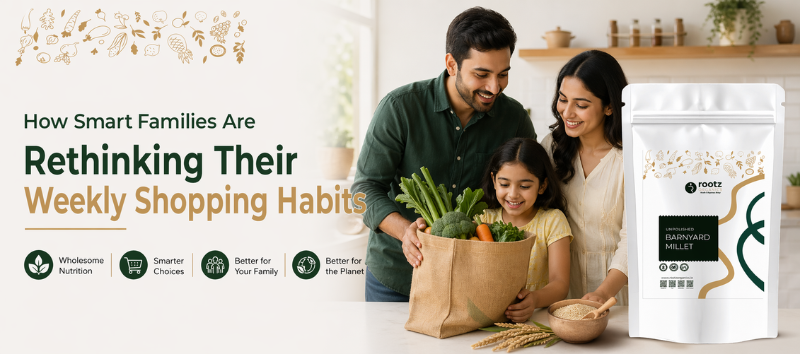
How Smart Families Are Rethinking Their Weekly Shopping Habits
In today’s fast-changing world, families across India are becoming more mindful about what they buy, how often they shop, and where their food comes from. Rising health awareness, busy lifestyles, increasing food adulteration concerns, and the growing focus on sustainability have encouraged households to rethink their routines. One of the biggest shifts is happening in the way families approach their Weekly Shopping Habits.
Modern consumers are no longer shopping randomly or impulsively. Instead, they are planning meals, reading labels, prioritizing quality over quantity, and choosing healthier food options for long-term wellness. This transformation is not just about saving money — it is about building a healthier lifestyle, reducing waste, and making smarter decisions for the entire family.
Smart families understand that weekly grocery planning directly impacts nutrition, budget, and convenience. By adopting structured routines and informed choices, they are creating kitchens that support better health, improved digestion, and sustainable living. This guide explores how families in India are reshaping their grocery routines and what practical steps anyone can follow to upgrade their shopping approach.
Why Families Are Changing Their Grocery Routines Today
The traditional method of buying groceries once a week without planning is slowly being replaced by a more thoughtful approach. Today’s families are dealing with rising food prices, lifestyle diseases, and limited time for meal preparation. These challenges have made it essential to rethink daily consumption patterns.
Health awareness is one of the primary reasons behind this shift. Parents are increasingly concerned about processed foods, chemical additives, and artificial preservatives. They are actively seeking natural, clean-label options that support immunity and overall well-being.
Another important factor is convenience. With busy work schedules and growing responsibilities, families want efficient solutions that reduce stress. Planning grocery lists, choosing reliable food sources, and stocking essential items have become part of modern household management.
Additionally, digital access has made it easier to research nutrition, compare products, and explore healthier alternatives. As a result, families are becoming more educated consumers who make decisions based on long-term health rather than short-term convenience.
The Role of Planning in Smarter Household Management
Planning is the foundation of efficient grocery routines. Smart families begin by assessing their weekly meal requirements and identifying essential ingredients. This simple habit helps prevent unnecessary purchases and ensures that the kitchen remains well-stocked throughout the week.
Meal planning also helps families maintain balanced nutrition. By preparing a weekly menu, households can include a variety of grains, vegetables, proteins, and healthy fats. This approach reduces dependency on packaged foods and encourages home-cooked meals.
Another benefit of planning is reduced food waste. When families buy only what they need, they avoid spoilage and unnecessary expenses. This practice supports both financial savings and environmental sustainability.
Effective planning includes checking pantry inventory, creating a categorized shopping list, and allocating a budget. These small steps create structure and improve decision-making during grocery shopping.
Understanding the Shift Toward Health-Conscious Food Choices
Health-conscious eating is no longer limited to fitness enthusiasts. Today, families across India are prioritizing nutritious foods as part of everyday living. They are replacing refined ingredients with natural alternatives and choosing products that support digestion, immunity, and energy levels.
For example, traditional ingredients like millets, cold-pressed oils, and unprocessed grains are making a strong comeback. These foods are valued for their nutritional benefits and compatibility with Indian dietary traditions.
Parents are also paying closer attention to children's nutrition. They prefer wholesome snacks, minimally processed foods, and ingredients that provide sustained energy throughout the day. This shift reflects a growing awareness of the connection between diet and long-term health.
As families adopt healthier lifestyles, their purchasing decisions naturally evolve. They start reading ingredient labels, comparing nutritional values, and selecting products that align with their wellness goals.
How Budget Awareness Is Influencing Grocery Decisions
Financial planning plays a crucial role in modern grocery management. With rising food prices and economic uncertainties, families are looking for ways to optimize spending without compromising quality.
Smart budgeting begins with understanding consumption patterns. Families analyze which items are used frequently and which purchases are unnecessary. This awareness helps them allocate funds more effectively.
Bulk purchasing of staple foods is another common strategy. Buying essential items in appropriate quantities reduces frequent store visits and saves transportation costs. However, families are careful to balance bulk buying with storage capacity and product shelf life.
Budget-conscious shopping also involves comparing product quality rather than focusing solely on price. Many households are willing to invest slightly more in clean, nutritious foods because they recognize the long-term health benefits.
Technology and Digital Platforms Are Transforming Grocery Shopping
Technology has revolutionized the way families shop for groceries. Online platforms provide access to detailed product information, customer reviews, and convenient delivery options. This digital transformation has simplified the shopping process and increased transparency.
Families can now explore a wide range of products from the comfort of their homes. They can compare ingredients, check sourcing practices, and select items that meet their dietary preferences.
Digital shopping also supports better planning. Automated reminders, saved shopping lists, and subscription services help households maintain consistency in their grocery routines.
As internet access continues to expand across India, online grocery solutions are becoming an integral part of modern household management.
Choosing Quality Ingredients for Everyday Cooking
Quality ingredients form the foundation of healthy meals. Smart families prioritize freshness, purity, and nutritional value when selecting food items. They understand that the quality of ingredients directly affects taste, digestion, and overall wellness.
Whole grains, natural sweeteners, fresh produce, and minimally processed foods are commonly preferred choices. These ingredients provide essential nutrients without unnecessary additives.
Families also pay attention to sourcing practices. They prefer foods grown using traditional farming methods and free from harmful chemicals. This approach ensures both safety and sustainability.
By focusing on ingredient quality, households create meals that nourish the body and support long-term health.
Building a Balanced Pantry for Weekly Convenience
A well-organized pantry simplifies daily cooking and reduces last-minute stress. Smart families maintain a balanced inventory of staple foods that support diverse meal preparation.
Common pantry essentials include grains, pulses, cooking oils, spices, and healthy snacks. These items provide flexibility and allow families to prepare nutritious meals quickly.
Regular pantry checks help identify items that need replenishment. This habit prevents shortages and ensures that essential ingredients are always available.
Organizing food items by category and storage conditions further improves efficiency. Clear labeling and proper containers extend shelf life and maintain freshness.
Making Thoughtful Choices About Dairy and Cooking Fats
Dairy products and cooking fats play a vital role in Indian cuisine. Families are becoming more selective about these ingredients because of their impact on digestion and energy levels.
Traditional cooking fats are valued for their nutritional properties and compatibility with Indian diets. Many households are returning to time-tested options that support overall wellness.
Including high-quality options like Organic A2 Ghee in the kitchen is often part of this mindful approach, as families seek natural ingredients that align with balanced nutrition.
Why Traditional Grains Are Returning to Modern Kitchens
Ancient grains are experiencing renewed popularity due to their nutritional benefits and cultural significance. These grains are rich in fiber, vitamins, and minerals, making them suitable for everyday meals.
Families are rediscovering recipes that incorporate traditional ingredients into modern diets. This trend supports both health and sustainability by encouraging diverse food consumption.
Exploring options such as Organic Millets Online has made it easier for households to include nutrient-dense grains in their weekly meal plans without compromising convenience.
The Importance of Whole Grain Flour in Daily Meals
Whole grain flour is a staple in Indian kitchens. It provides essential nutrients and supports healthy digestion. Choosing minimally processed flour helps maintain natural fiber content and improves meal quality.
Many families now prefer alternatives like organic jowar flour as part of their efforts to diversify grain consumption and enhance nutritional balance.
Reducing Food Waste Through Smarter Purchasing
Food waste is a growing concern worldwide. Smart families are adopting responsible practices to minimize waste and promote sustainability.
One effective strategy is purchasing only the quantity required for weekly consumption. This approach prevents spoilage and encourages mindful usage of resources.
Proper storage techniques also play an important role. Using airtight containers, maintaining refrigeration temperatures, and rotating older items to the front help extend product shelf life.
Reducing waste not only saves money but also supports environmental conservation.
How Smart Families Are Using Digital Convenience for Better Shopping
Convenience is a major factor influencing modern grocery decisions. Families appreciate solutions that save time and simplify daily routines.
Online platforms provide flexibility by allowing users to schedule deliveries, track orders, and access diverse product categories. This convenience is especially valuable for working professionals and busy households.
Exploring reliable sources through an Online Organic Grocery platform allows families to access quality products without frequent store visits.
The Growing Demand for Clean and Transparent Food Choices
Transparency has become an essential factor in consumer trust. Families want to know where their food comes from and how it is produced. They seek brands that provide clear labeling and honest sourcing practices.
Clean-label products are gaining popularity because they contain simple ingredients without artificial additives. These foods align with the principles of natural nutrition and sustainable living.
As awareness continues to grow, households are prioritizing products that support both health and environmental responsibility.
Many families now explore reliable options for Organic Food Products Online to ensure they have access to safe, authentic ingredients for everyday meals.
Understanding the Value of Staple Grains in Indian Diets
Staple grains are the backbone of Indian cuisine. They provide energy, essential nutrients, and dietary fiber necessary for daily activities.
Smart families carefully select grains that support balanced nutrition and suit their cooking preferences. They consider factors such as grain quality, freshness, and nutritional value.
With increasing digital accessibility, households can conveniently source essential staples such as Organic Rice Online, ensuring consistent quality and availability throughout the week.
Creating a Sustainable and Future-Ready Kitchen
Sustainability is becoming an important consideration for modern households. Families are recognizing the impact of their consumption patterns on the environment and future generations.
Simple practices such as reducing plastic usage, choosing eco-friendly packaging, and supporting responsible farming methods contribute to sustainable living.
Energy-efficient appliances, reusable storage containers, and mindful purchasing habits further enhance environmental responsibility.
By adopting sustainable practices, families create kitchens that support both health and ecological balance.
Practical Tips to Upgrade Your Weekly Routine
Improving grocery routines does not require drastic changes. Small, consistent habits can make a significant difference in efficiency and nutrition.
- Create a weekly meal plan before shopping
- Check pantry inventory regularly
- Prioritize fresh and seasonal ingredients
- Read product labels carefully
- Store food properly to maintain freshness
- Avoid impulse purchases
- Choose quality over quantity
- Support sustainable and responsible sourcing
These practical steps help families maintain healthy kitchens while managing time and expenses effectively.
The Future of Grocery Shopping for Indian Families
The future of grocery shopping will be shaped by technology, health awareness, and sustainability. Families will continue to seek convenient solutions that align with their values and lifestyle goals.
Personalized nutrition, smart kitchen devices, and digital grocery management tools are expected to play a larger role in household routines. These innovations will make it easier for families to maintain balanced diets and efficient shopping habits.
As consumer awareness grows, the focus will remain on quality, transparency, and responsible consumption.
Ultimately, smarter Weekly Shopping Habits will empower families to create healthier homes, reduce waste, and build sustainable lifestyles for the future.
Frequently Asked Questions (FAQs)
1. Why are families changing their grocery shopping routines?
Families are becoming more health-conscious and budget-aware. They want safer food, better nutrition, and more efficient use of time and money.
2. How can weekly planning improve household nutrition?
Weekly planning helps families include balanced meals, reduce reliance on processed foods, and ensure consistent access to nutritious ingredients.
3. What are the benefits of buying groceries online?
Online grocery shopping offers convenience, product transparency, time savings, and access to a wider variety of food options.
4. How can families reduce food waste at home?
Families can reduce waste by planning meals, buying appropriate quantities, storing food properly, and using leftovers creatively.
5. What factors should families consider when choosing groceries?
Important factors include product quality, nutritional value, freshness, sourcing practices, and compatibility with dietary needs.
-
 August 6th, 2026
 -
 August 6th, 2026