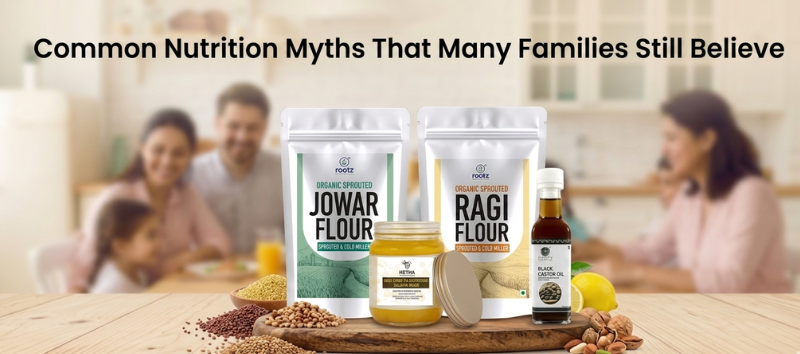
Common Nutrition Myths That Many Families Still Believe
In many Indian households, food traditions and health advice are often passed down through generations. While some practices are beneficial, others are based on outdated information or misunderstandings about nutrition. With the rise of social media and online health trends, families are exposed to conflicting advice, making it difficult to distinguish between facts and myths. Understanding the truth behind food-related beliefs is essential for maintaining long-term health. When families rely on evidence-based knowledge, they can make better dietary decisions, prevent lifestyle diseases, and support children’s growth and development. Addressing Common Nutrition Myths helps households build healthier routines and improve overall well-being. This article explores widely believed misconceptions about food in India, explains the science behind them, and provides practical tips to help families make smarter nutrition choices. By replacing myths with accurate information, households can create a strong foundation for healthier living.
Why Nutrition Misconceptions Still Exist in Modern Families
Despite increased awareness about health and wellness, nutrition myths continue to spread across communities. Understanding the reasons behind these misconceptions can help families make informed decisions.
Influence of Traditional Practices
Many food beliefs originate from cultural traditions. While traditional diets are often nutritious, some advice may not align with modern scientific understanding.
Impact of Social Media and Online Trends
Health tips shared online can spread quickly without proper verification. Viral diet trends sometimes promote extreme or unrealistic practices that are not suitable for everyone.
Confusion Created by Marketing Claims
Food packaging often uses words like “natural,” “low-fat,” or “diet-friendly.” These terms can be misleading if consumers do not read ingredient labels carefully.
Myth 1: Skipping Meals Helps You Lose Weight Faster
Many people believe that skipping meals reduces calorie intake and leads to faster weight loss. However, this approach can negatively affect metabolism and energy levels.
The Truth About Meal Skipping
When the body does not receive regular nourishment, it conserves energy by slowing down metabolism. This can lead to overeating later in the day and increased fat storage.
Healthier Eating Habit
Eating balanced meals at regular intervals helps maintain stable blood sugar levels and supports sustainable weight management.
Myth 2: All Fats Are Bad for Health
For years, fats were considered harmful, leading many families to avoid traditional ingredients like ghee and oils. However, modern nutrition science shows that healthy fats are essential for overall health.
Why Healthy Fats Are Important
Healthy fats support brain function, hormone production, and absorption of vitamins. Natural sources such as Organic A2 Ghee can be included in moderation as part of a balanced diet.
Examples of Healthy Fat Sources
Nuts, seeds, dairy fats, and traditional cooking oils provide essential nutrients that help maintain energy and support heart health.
Myth 3: Packaged Foods Labeled “Healthy” Are Always Nutritious
Modern lifestyles have increased reliance on packaged foods. Many products claim to be healthy, but these claims do not always reflect their actual nutritional value.
Understanding Food Labels
Some packaged foods may contain hidden sugars, preservatives, or artificial additives. Reading ingredient lists helps consumers make informed choices.
Smart Grocery Shopping Tip
Choosing minimally processed items from reliable sources, including Organic Food Products Online, can help families maintain better nutrition standards.
Myth 4: Carbohydrates Should Be Completely Avoided
Low-carbohydrate diets have gained popularity, leading many people to believe that all carbohydrates are harmful. In reality, carbohydrates are the body’s primary source of energy.
The Role of Complex Carbohydrates
Whole grains, pulses, and traditional cereals provide sustained energy and support digestion. Including nutrient-rich grains available through Organic Millets Online can help maintain balanced nutrition.
Better Carbohydrate Choices
Choose whole grains instead of refined flour products to ensure steady energy levels throughout the day.
Myth 5: Children Need Supplements to Grow Strong
Many parents believe that dietary supplements are necessary for children’s growth and development. However, most children can obtain essential nutrients from a balanced diet.
When Supplements Are Necessary
Supplements should only be used when recommended by a healthcare professional. Overuse may lead to nutrient imbalances.
Healthy Nutrition for Children
Providing balanced meals and safe, natural options like Organic Baby Food supports healthy growth and development.
Myth 6: Traditional Cooking Oils Are Unhealthy
Some households have shifted to highly refined oils due to marketing claims about health benefits. However, traditional oils often retain more nutrients when processed naturally.
Benefits of Natural Oil Extraction
Oils produced through natural methods maintain essential vitamins and antioxidants. Using Cold Pressed Oils in moderation supports heart health and improves flavor in everyday cooking.
Safe Cooking Practice
Avoid reheating oil multiple times, as this can produce harmful compounds.
Myth 7: Healthy Food Is Always Expensive
Many families believe nutritious food costs more than processed alternatives. In reality, traditional Indian foods are both affordable and nutrient-dense.
Affordable Nutrition Options
Seasonal vegetables, lentils, and whole grains provide essential nutrients without increasing grocery expenses.
Budget-Friendly Staple
Using traditional ingredients such as organic jowar flour can provide cost-effective nutrition while supporting digestive health.
How Nutrition Myths Affect Family Health
Believing incorrect dietary advice can lead to long-term health problems. These effects may not appear immediately but can develop over time.
Common Health Consequences
Poor nutrition choices can result in fatigue, weight gain, weakened immunity, and increased risk of chronic diseases such as diabetes and heart conditions.
Impact on Children’s Eating Habits
Children often adopt the dietary habits they observe at home. Educating parents helps create healthier routines for future generations.
Practical Steps Families Can Take to Avoid Nutrition Myths
Read Reliable Health Information
Consult healthcare professionals or credible health organizations before making major dietary changes.
Maintain Balanced Meals
A balanced plate should include vegetables, whole grains, proteins, and healthy fats in appropriate portions.
Encourage Home Cooking
Preparing meals at home allows families to control ingredients, portion sizes, and cooking methods.
Stay Physically Active
Regular exercise supports metabolism, improves mood, and enhances overall health.
Final Thoughts
Nutrition plays a critical role in maintaining health and preventing disease. Unfortunately, misinformation about food continues to influence daily habits in many households. Identifying and correcting Common Nutrition Myths empowers families to make smarter dietary choices.
By focusing on balanced nutrition, reliable information, and traditional food wisdom supported by science, Indian families can create healthier lifestyles and improve long-term well-being.
Frequently Asked Questions (FAQs)
1. Why do nutrition myths continue to exist in many households?
Nutrition myths persist due to traditional beliefs, misinformation on social media, and lack of reliable health education.
2. Are all fats harmful to health?
No, healthy fats are essential for brain function and energy. The key is consuming them in moderation.
3. Do children need supplements daily?
Most children can meet their nutritional needs through balanced meals unless advised otherwise by a healthcare professional.
4. Is healthy food always expensive?
No, many traditional foods like lentils, vegetables, and whole grains are affordable and highly nutritious.
5. How can families identify reliable nutrition information?
Check sources from healthcare professionals, scientific research, and government health organizations before following dietary advice.
-
 August 6th, 2026
 -
 August 6th, 2026