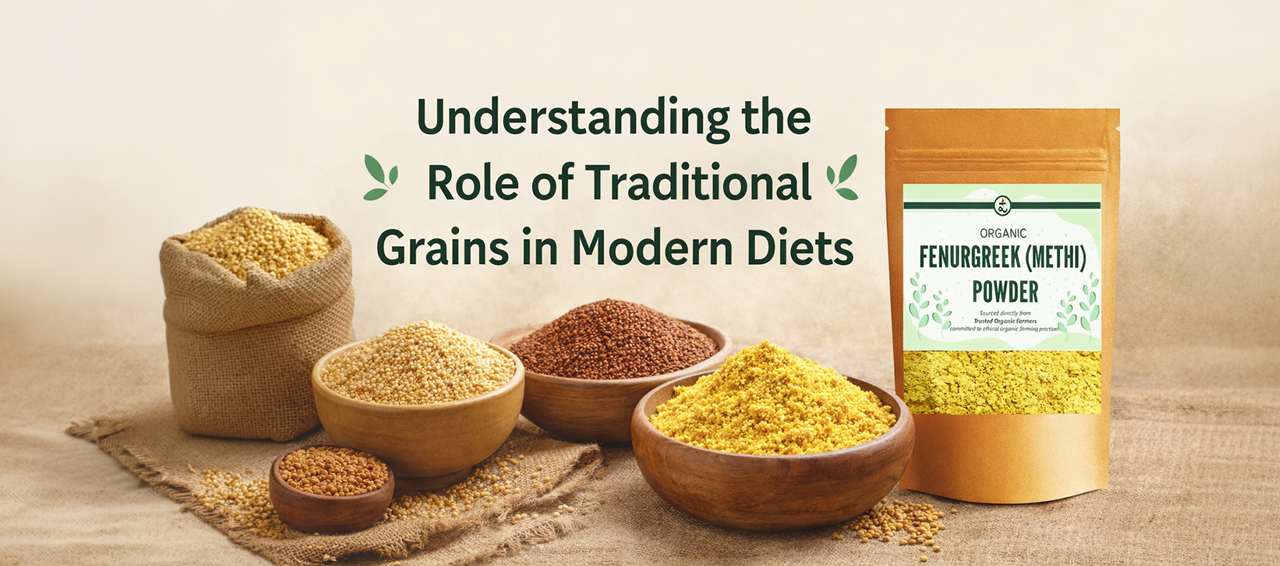
Understanding the Role of Traditional Grains in Modern Diets
In recent years, health-conscious consumers across India have been rediscovering the nutritional value of traditional grains. Once considered staple foods in Indian households, grains like ragi, jowar, bajra, and other millets are now gaining renewed attention for their role in supporting modern health goals. As lifestyles become more sedentary and processed foods dominate urban diets, the demand for wholesome, nutrient-dense ingredients has increased significantly.
Traditional grains are not merely a nostalgic return to the past—they represent a scientifically supported approach to balanced nutrition, sustainability, and long-term wellness. With increasing awareness about lifestyle-related health conditions such as diabetes, obesity, and digestive disorders, families are turning to natural and minimally processed foods to build healthier diets. These grains offer a unique combination of fiber, minerals, and plant-based nutrients that align perfectly with modern dietary needs.
This comprehensive guide explores the importance of traditional grains in contemporary nutrition, their health benefits, and how Indian households can integrate them into everyday meals for improved well-being and sustainable living.
The Evolution of Traditional Grains in Indian Diets
For centuries, traditional grains formed the backbone of Indian cuisine. Rural communities relied heavily on region-specific grains that were naturally suited to local climates. Ragi was widely consumed in South India, jowar and bajra dominated diets in western and central regions, and various millets were common across semi-arid zones.
However, during the Green Revolution, refined wheat and polished rice became more accessible and widely promoted. Over time, these grains replaced traditional staples in many households. While this shift improved food availability, it also reduced dietary diversity and increased dependence on highly processed foods.
Today, nutrition experts and public health organizations are encouraging a return to nutrient-rich traditional grains. Their reintroduction into modern diets is not about replacing wheat or rice entirely but about restoring balance and improving overall nutritional quality.
Why Traditional Grains Are Relevant in Modern Nutrition
1. Rich Source of Essential Nutrients
Traditional grains contain vital nutrients such as calcium, iron, magnesium, potassium, and B vitamins. Unlike refined grains, they retain their natural bran and germ layers, which contribute to better nutrient density and sustained energy levels.
For example, many nutritionists recommend incorporating organic ragi flour into daily meals due to its naturally high calcium content. This makes it particularly beneficial for growing children, pregnant women, and elderly individuals who require stronger bone health support.
2. High Dietary Fiber for Digestive Health
Fiber plays a crucial role in maintaining a healthy digestive system. Traditional grains contain significantly higher fiber levels than refined cereals, helping regulate bowel movements and support gut health. Regular consumption of fiber-rich foods can also reduce the risk of constipation and digestive discomfort.
Including whole grains such as Unpolished Millets in daily meals helps maintain satiety, manage appetite, and stabilize blood sugar levels. This makes them an ideal choice for individuals aiming to maintain a healthy weight or manage diabetes.
3. Natural Support for Blood Sugar Management
One of the most significant advantages of traditional grains is their low glycemic index. Foods with a lower glycemic index release glucose gradually into the bloodstream, preventing sudden spikes in blood sugar levels.
This characteristic makes traditional grains particularly suitable for individuals managing lifestyle conditions such as diabetes or metabolic syndrome. Healthcare professionals often recommend incorporating grains like jowar and millets into meal plans to improve glycemic control.
Health Benefits of Traditional Grains in Daily Diets
Improved Heart Health
Traditional grains contain heart-friendly nutrients such as magnesium, antioxidants, and dietary fiber. These components help regulate cholesterol levels, reduce inflammation, and support overall cardiovascular health.
Regular consumption of whole grains has been associated with a reduced risk of heart disease and hypertension. By replacing refined carbohydrates with nutrient-rich grains, families can take a proactive approach to heart health.
Enhanced Energy and Stamina
Traditional grains provide sustained energy due to their complex carbohydrate structure. Unlike refined foods that cause rapid energy fluctuations, these grains release energy slowly, keeping individuals active and productive throughout the day.
Working professionals, students, and athletes often benefit from including traditional grains in their diets to maintain consistent energy levels.
Better Weight Management
Weight management is a growing concern in urban India. Traditional grains help control hunger by promoting fullness and reducing unnecessary snacking. Their high fiber content supports healthy metabolism and encourages balanced eating habits.
Replacing refined flour products with whole grains such as organic jowar flour can be a practical strategy for maintaining a healthy body weight without compromising taste or nutrition.
Traditional Grains and Sustainable Food Systems
Beyond personal health, traditional grains contribute significantly to environmental sustainability. Many of these crops require less water and fewer chemical inputs compared to conventional cereals. They are naturally resilient to drought and extreme weather conditions, making them ideal for sustainable agriculture.
Farmers cultivating traditional grains often rely on eco-friendly farming practices that preserve soil fertility and biodiversity. By choosing products derived from traditional grains, consumers indirectly support sustainable farming communities and responsible agricultural systems.
As awareness grows, more households are exploring reliable sources for purchasing Organic Millets Online, ensuring access to high-quality grains while supporting ethical farming practices.
The Role of Traditional Grains in Preventive Healthcare
Strengthening Immunity
Traditional grains contain antioxidants, vitamins, and minerals that strengthen the body's natural defense mechanisms. A nutrient-rich diet plays a critical role in preventing infections and supporting overall immune function.
Regular consumption of whole grains, along with fruits and vegetables, helps maintain balanced nutrition and reduces the risk of nutrient deficiencies.
Supporting Bone Health
Calcium deficiency remains a common concern among Indian populations. Traditional grains such as ragi provide a natural source of calcium, making them an effective dietary addition for maintaining bone density and preventing osteoporosis.
Promoting Gut Microbiome Balance
The gut microbiome plays a vital role in digestion, immunity, and mental health. Fiber-rich foods support the growth of beneficial bacteria in the digestive system, improving nutrient absorption and overall wellness.
Including diverse grains in daily meals helps create a balanced gut environment and supports long-term health outcomes.
How to Incorporate Traditional Grains into Modern Meals
Breakfast Options
- Ragi porridge with nuts and fruits
- Millet-based dosa or idli
- Jowar pancakes
- Multigrain vegetable upma
Lunch and Dinner Ideas
- Jowar or bajra rotis
- Millet khichdi with vegetables
- Ragi roti with dal and curry
- Mixed grain pulao
Healthy Snack Alternatives
- Roasted millet snacks
- Homemade ragi cookies
- Jowar vegetable cutlets
- Millet energy bars
These meal options demonstrate how traditional grains can be seamlessly integrated into contemporary lifestyles without requiring drastic dietary changes.
Choosing Quality Traditional Grains for Everyday Cooking
The nutritional value of traditional grains depends heavily on their quality and processing methods. Minimally processed grains retain their natural nutrients and flavor, making them more beneficial for daily consumption.
Consumers should prioritize products that are free from artificial additives, preservatives, and excessive polishing. Transparent sourcing practices and proper packaging also play an important role in maintaining freshness and safety.
Many households today prefer purchasing trusted Organic Food Products Online to ensure consistent quality and convenience. Online platforms provide access to a wide range of authentic grains while offering detailed product information and reliable delivery services.
Common Myths About Traditional Grains
Myth 1: Traditional Grains Are Difficult to Cook
Modern kitchen appliances and improved processing techniques have made cooking traditional grains easier than ever. With proper soaking and cooking methods, these grains can be prepared quickly and efficiently.
Myth 2: They Are Only Suitable for Rural Diets
Traditional grains are versatile and adaptable to modern recipes. From breakfast cereals to baked goods, they can be incorporated into a wide variety of meals suitable for urban lifestyles.
Myth 3: They Are Expensive
While some specialty products may cost slightly more, traditional grains are generally affordable and provide excellent value due to their high nutritional content.
The Future of Traditional Grains in Indian Food Culture
The revival of traditional grains represents a positive shift toward healthier eating habits and sustainable living. Government initiatives, nutrition campaigns, and consumer awareness programs are encouraging families to rediscover the benefits of these time-tested foods.
Schools, healthcare institutions, and corporate wellness programs are also promoting the inclusion of traditional grains in meal plans. This collective effort is helping reshape food choices and improve public health outcomes across the country.
As more consumers recognize the importance of balanced nutrition, traditional grains are expected to remain a central component of modern diets for generations to come.
Conclusion: Bridging Tradition and Modern Nutrition
Traditional grains offer a powerful combination of nutrition, sustainability, and cultural heritage. Their ability to support digestive health, regulate blood sugar, strengthen immunity, and promote overall wellness makes them an essential part of contemporary diets.
By incorporating traditional grains into everyday meals, families can take meaningful steps toward healthier living while preserving valuable culinary traditions. Whether through simple breakfast dishes or innovative recipes, these grains provide practical solutions for modern nutritional challenges.
Embracing traditional grains is not merely a dietary choice—it is an investment in long-term health, environmental sustainability, and future generations.
Frequently Asked Questions (FAQs)
1. Why are traditional grains considered healthier than refined grains?
Traditional grains retain their natural fiber, vitamins, and minerals because they undergo minimal processing. This helps improve digestion, maintain steady energy levels, and support overall health compared to refined grains.
2. Can traditional grains help manage diabetes?
Yes, many traditional grains have a low glycemic index, which helps regulate blood sugar levels. Including them in balanced meals can support diabetes management when combined with regular physical activity and medical guidance.
3. Are traditional grains suitable for daily consumption?
Traditional grains can be safely consumed daily as part of a balanced diet. Rotating different grains ensures dietary diversity and provides a wide range of nutrients.
4. How should traditional grains be stored at home?
Store grains in airtight containers in a cool, dry place away from moisture and direct sunlight. Proper storage helps maintain freshness and prevents contamination.
5. What is the best way to introduce traditional grains to children?
Start with familiar recipes such as porridge, pancakes, or rotis made with traditional grain flour. Gradually introduce new dishes to help children adapt to the taste and texture.
-
 August 6th, 2026
 -
 August 6th, 2026