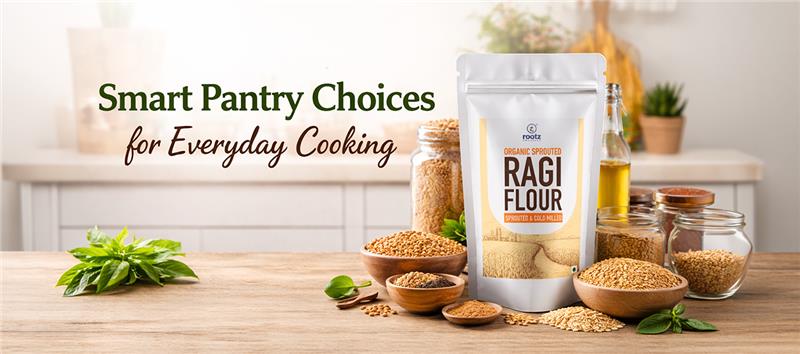
Smart Pantry Choices for Everyday Cooking
In today’s fast-paced lifestyle, the kitchen pantry has become more than just a storage space—it is the foundation of everyday health. The ingredients you keep in your pantry directly influence your family’s nutrition, immunity, and long-term wellness. With rising awareness about food safety, chemical exposure, and lifestyle diseases, Indian households are gradually shifting toward smarter pantry decisions that support balanced diets and sustainable living.
Smart pantry choices are not about expensive ingredients or complicated meal planning. Instead, they focus on selecting clean, natural, and nutrient-rich staples that make everyday cooking healthier and more convenient. From choosing better grains to switching to healthier cooking fats, small decisions can create a significant impact on your family’s well-being.
Modern consumers are increasingly turning to Online Organic Grocery platforms to access trusted, high-quality ingredients that align with healthy living goals. These platforms simplify grocery shopping while ensuring transparency, freshness, and reliability.
This comprehensive guide explores practical, research-backed strategies to build a smarter pantry for Indian kitchens. It also highlights common gaps in competitor content—such as lack of actionable pantry planning, limited focus on everyday cooking habits, and insufficient guidance on ingredient selection—and fills those gaps with detailed, experience-driven insights designed to improve search visibility, user engagement, and purchase intent.
Why Smart Pantry Choices Matter for Everyday Cooking
The pantry is the backbone of daily meals. Whether you are preparing breakfast, lunch, dinner, or quick snacks, the quality of pantry ingredients determines the nutritional value of your food. Smart pantry management ensures that meals are not only delicious but also safe and balanced.
In India, where traditional cooking relies heavily on grains, pulses, oils, and spices, making informed ingredient choices can significantly improve dietary quality. Poor pantry decisions—such as using refined flour, low-quality oils, or processed foods—can contribute to health issues like obesity, diabetes, digestive problems, and nutrient deficiencies.
Key Benefits of Smart Pantry Planning
- Improves nutritional quality of daily meals
- Reduces dependency on processed foods
- Saves time during meal preparation
- Supports long-term health and immunity
- Encourages sustainable and mindful consumption
When families prioritize clean-label ingredients and natural foods, they create a healthier food environment that supports both physical and mental well-being.
Understanding the Concept of a Smart Pantry
A smart pantry is not defined by the number of ingredients but by the quality and usefulness of those ingredients. It includes versatile staples that can be used in multiple recipes while providing maximum nutritional benefits.
For Indian households, a well-designed pantry typically includes whole grains, pulses, cooking oils, spices, natural sweeteners, and nutrient-dense snacks. Choosing reliable Organic Food Products Online helps ensure consistency in quality and safety.
Characteristics of a Smart Pantry
- Contains minimally processed ingredients
- Focuses on nutrient-rich staples
- Supports diverse cooking styles
- Reduces food waste
- Encourages balanced eating habits
Essential Pantry Staples for Healthy Indian Cooking
Building a smart pantry begins with selecting foundational ingredients that support everyday cooking. These staples should be versatile, nutritious, and easy to store.
1. Whole Grains and Nutritious Flours
Whole grains are a primary energy source in Indian diets. Choosing better-quality grains and flours improves digestion, supports metabolism, and provides sustained energy throughout the day.
Today, many families prefer purchasing Organic Flours Online because they are free from harmful chemicals and retain natural nutrients. These flours are often milled using traditional methods that preserve fiber, vitamins, and minerals.
Examples of Smart Flour Choices
- Whole wheat flour (atta)
- Millet flours (ragi, jowar, bajra)
- Multigrain flour
- Besan (gram flour)
- Gluten-free flour options
Using diverse flours not only improves nutrition but also adds variety to everyday meals.
2. Healthy Cooking Oils for Daily Use
Cooking oil plays a crucial role in Indian cuisine. It affects flavor, digestion, and heart health. Selecting the right oil is one of the most important pantry decisions.
Consumers are increasingly choosing Organic Oil Online to ensure purity, authenticity, and better nutritional quality. Cold-pressed oils retain natural antioxidants and healthy fats, making them suitable for daily cooking.
Smart Oil Options for Indian Kitchens
- Cold-pressed mustard oil
- Groundnut oil
- Sesame oil
- Coconut oil
- Sunflower oil
Rotating cooking oils can help maintain a balanced intake of essential fatty acids.
3. Traditional Fats for Nutritional Balance
Traditional Indian fats have been used for centuries due to their health benefits and culinary versatility. One of the most valued traditional fats is ghee.
Many families now prefer Organic A2 Ghee because it is easier to digest and contains beneficial fatty acids that support immunity and gut health.
Benefits of Including Traditional Fats
- Enhances flavor and aroma
- Supports digestion
- Provides essential nutrients
- Improves nutrient absorption
Using moderate amounts of high-quality fats can significantly improve meal quality.
How to Build a Smart Pantry Step by Step
Creating a smart pantry does not require a complete kitchen overhaul. Instead, it involves gradual improvements that align with your cooking habits and nutritional needs.
Step 1: Assess Current Pantry Items
Start by reviewing the ingredients already present in your kitchen. Identify items that are highly processed, expired, or rarely used.
Step 2: Replace Low-Quality Ingredients
Gradually replace refined and artificial products with healthier alternatives. For example:
- Replace refined flour with whole grain flour
- Switch from refined oil to cold-pressed oil
- Use natural sweeteners instead of artificial sugar
Step 3: Organize for Convenience
Proper organization helps reduce food waste and improves efficiency during cooking.
Simple Organization Tips
- Store grains in airtight containers
- Label ingredients with purchase dates
- Keep frequently used items within reach
- Maintain a weekly inventory list
Smart Pantry Choices for Busy Indian Families
Modern households often face time constraints due to work, school, and daily responsibilities. A well-planned pantry simplifies cooking and ensures consistent meal quality.
Quick and Healthy Pantry Essentials
- Ready-to-cook lentils and beans
- Roasted nuts and seeds
- Whole grain snacks
- Natural spices and herbs
- Healthy breakfast options
Keeping these essentials readily available reduces dependency on packaged convenience foods.
Common Pantry Mistakes to Avoid
Many households unknowingly make pantry mistakes that affect nutrition and food safety. Recognizing these mistakes is the first step toward improvement.
Frequent Pantry Errors
- Buying ingredients without checking labels
- Storing food improperly
- Using expired products
- Overstocking perishable items
- Ignoring nutritional value
Avoiding these mistakes helps maintain a healthier and more efficient kitchen.
The Role of Seasonal and Local Ingredients
Seasonal foods are fresher, more nutritious, and often more affordable. They also support local farmers and reduce environmental impact.
Benefits of Seasonal Ingredients
- Better taste and freshness
- Higher nutritional value
- Lower cost
- Reduced environmental footprint
Incorporating seasonal produce into your pantry ensures variety and sustainability.
Smart Pantry Choices for Special Dietary Needs
Many individuals require specific dietary adjustments due to health conditions or lifestyle preferences. A smart pantry can accommodate these needs without compromising convenience.
Examples of Dietary-Friendly Pantry Items
- Gluten-free grains for digestive health
- Low-sugar foods for diabetes management
- High-protein foods for fitness enthusiasts
- Plant-based options for vegan diets
Tailoring pantry choices to individual health requirements improves overall well-being.
How Smart Pantry Choices Support Long-Term Health
Healthy eating is not a short-term goal—it is a lifelong commitment. A well-managed pantry encourages consistent healthy habits and reduces the risk of chronic diseases.
Long-Term Health Benefits
- Improved digestion
- Better energy levels
- Stronger immunity
- Reduced risk of lifestyle diseases
- Enhanced mental clarity
By making thoughtful pantry decisions, families can build a strong foundation for lifelong wellness.
Why Smart Pantry Planning Improves Daily Cooking Efficiency
A well-organized pantry saves time, reduces stress, and improves cooking efficiency. It allows families to prepare meals quickly without compromising quality.
Efficiency Benefits
- Faster meal preparation
- Reduced grocery trips
- Better budgeting
- Less food waste
These benefits make smart pantry planning a practical investment for modern households.
Conclusion: Building a Healthier Future Through Smart Pantry Choices
Smart pantry choices are the cornerstone of healthy living. By selecting high-quality ingredients, organizing kitchen essentials, and planning meals thoughtfully, families can transform everyday cooking into a powerful tool for wellness.
In India’s evolving food landscape, consumers are increasingly seeking reliable sources of clean and nutritious ingredients. A well-managed pantry supports balanced diets, strengthens immunity, and promotes sustainable living.
Ultimately, the journey toward healthier cooking begins with simple, consistent decisions. By focusing on quality, freshness, and nutrition, every household can create a pantry that supports long-term health and happiness.
Frequently Asked Questions (FAQs)
1. What are smart pantry choices for everyday cooking?
Smart pantry choices involve selecting high-quality, nutrient-rich ingredients that support healthy cooking. These include whole grains, natural oils, traditional fats, and minimally processed foods that improve nutrition and convenience.
2. How can I start building a smart pantry?
Begin by assessing your current pantry items, replacing refined ingredients with healthier alternatives, and organizing food properly. Gradual changes are more sustainable than sudden shifts.
3. Why is it important to choose high-quality cooking oils?
Cooking oil directly affects heart health, digestion, and overall nutrition. High-quality oils provide essential fatty acids and support balanced diets.
4. How often should pantry items be replaced?
Most pantry items should be checked monthly for freshness and expiration dates. Regular rotation helps maintain food safety and quality.
5. Can smart pantry choices help improve family health?
Yes. Choosing nutritious ingredients and maintaining a well-organized pantry encourages healthy eating habits, strengthens immunity, and reduces the risk of lifestyle diseases.
-
 August 6th, 2026
 -
 August 6th, 2026