
Small Nutrition Changes That Deliver Big Health Benefits
In today’s fast-paced lifestyle, many families believe that achieving better health requires drastic diet overhauls or expensive wellness routines. However, modern nutrition science and traditional Indian wisdom both agree on a simpler truth: small, consistent nutrition changes can deliver powerful long-term health benefits. From choosing whole grains over refined ones to adding seasonal vegetables to daily meals, these practical adjustments help improve immunity, digestion, energy levels, and overall well-being.
Across India, awareness about mindful eating is steadily growing. Urban households, working professionals, and young parents are becoming more conscious about what goes into their kitchens. Instead of radical transformations, they are adopting manageable habits like switching to millets, using cold-pressed oils, and increasing fiber intake. These small decisions, when practiced daily, create sustainable health improvements that support families for years.
This blog explores scientifically backed, culturally relevant nutrition changes that are easy to implement in Indian households. It also identifies gaps in current nutrition content across competing wellness websites—such as lack of practical implementation guidance, insufficient focus on traditional Indian foods, and limited long-term health strategies. By addressing these gaps, this guide provides actionable insights that support better health outcomes while strengthening search visibility, customer trust, and organic traffic growth.
Why Small Nutrition Changes Matter More Than Drastic Diets
Many people start restrictive diets with enthusiasm but struggle to maintain them over time. Sudden changes can lead to nutrient deficiencies, fatigue, and frustration. In contrast, gradual nutrition improvements are easier to sustain and produce measurable health benefits without overwhelming the body.
Healthcare experts emphasize that consistent dietary habits influence metabolism, immunity, and chronic disease risk. Even minor adjustments—such as replacing refined flour with whole-grain alternatives or increasing vegetable intake—can significantly improve nutritional quality. These small steps reduce the risk of lifestyle diseases such as obesity, diabetes, and cardiovascular disorders.
For Indian households, sustainable nutrition changes often align with traditional food practices. Our grandparents relied on seasonal produce, fermented foods, and whole grains. Returning to these practices supports digestive health, improves nutrient absorption, and strengthens immunity naturally.
Start with Whole Grains: The Foundation of Everyday Nutrition
Switching to Nutrient-Dense Alternatives like Organic Ragi Flour
One of the simplest and most effective nutrition changes is replacing refined grains with whole grains. Refined grains lose essential nutrients during processing, while whole grains retain fiber, vitamins, and minerals that support digestive and metabolic health.
In Indian kitchens, traditional grains such as ragi, jowar, and bajra have been consumed for generations. Today, nutritionists recommend reintroducing these grains into daily meals to improve calcium intake, support bone health, and regulate blood sugar levels.
Using organic ragi flour in everyday recipes—such as rotis, dosa batter, or porridge—provides sustained energy and improves satiety. Ragi is naturally rich in calcium, iron, and dietary fiber, making it particularly beneficial for growing children, pregnant women, and older adults.
This small substitution not only enhances nutritional value but also supports long-term wellness without requiring major dietary changes.
Embrace Millets for Sustainable Energy and Better Digestion
Why Choosing Organic Millets Online Supports Healthier Eating Habits
Millets have gained renewed attention in India due to their impressive nutritional profile and environmental sustainability. These ancient grains are naturally gluten-free, high in fiber, and rich in essential minerals such as magnesium and phosphorus.
Adding millets to daily meals improves digestion, stabilizes blood sugar levels, and promotes heart health. Unlike refined grains, millets release energy slowly, preventing sudden spikes in blood glucose levels.
Many households are now exploring Organic Millets Online to access high-quality, chemical-free grains conveniently. This shift reflects a broader trend toward conscious consumption and healthier food sourcing.
Regular consumption of millets can help reduce inflammation, improve gut health, and support weight management—making them an ideal choice for modern lifestyles.
Choose Unpolished Grains to Preserve Natural Nutrients
Polishing grains removes the outer bran layer, which contains valuable nutrients and fiber. While polished grains may appear visually appealing, they offer significantly lower nutritional value.
Switching to Unpolished Millets ensures that the natural fiber and micronutrients remain intact. These nutrients play a crucial role in maintaining digestive health, supporting metabolism, and reducing the risk of chronic diseases.
Unpolished grains also promote better satiety, helping individuals control portion sizes and manage body weight more effectively. Over time, this simple change contributes to improved energy levels and overall health.
Increase Vegetable Intake for Daily Nutrient Balance
The Role of Organic Vegetables Online in Supporting Family Nutrition
Vegetables are essential for maintaining a balanced diet, yet many households struggle to meet recommended daily intake levels. Increasing vegetable consumption is one of the most impactful nutrition changes for improving overall health.
Vegetables provide vitamins, antioxidants, and dietary fiber that strengthen immunity and support digestive health. Including a variety of colorful vegetables ensures that the body receives diverse nutrients required for optimal functioning.
Today, many families prefer sourcing Organic Vegetables Online to ensure freshness and reduce exposure to harmful chemicals. This approach simplifies healthy eating while maintaining consistent nutritional quality.
Adding vegetables to every meal—whether in the form of salads, curries, or soups—can significantly enhance nutrient intake and support long-term wellness.
Focus on Quality Ingredients with Organic Food Products Online
The quality of ingredients used in daily cooking directly influences nutritional outcomes. Highly processed foods often contain additives, preservatives, and unhealthy fats that negatively impact health.
Choosing Organic Food Products Online allows families to access minimally processed ingredients that retain natural nutrients. These products support healthier cooking practices and reduce the intake of harmful substances.
Making small adjustments—such as using cold-pressed oils, natural sweeteners, and whole grains—improves the nutritional value of meals without changing traditional recipes.
Over time, these improvements contribute to better digestion, stronger immunity, and improved overall well-being.
Reduce Added Sugar Without Eliminating Taste
Excess sugar consumption is linked to obesity, diabetes, and dental problems. However, completely eliminating sugar from the diet can be difficult and unnecessary. A more practical approach involves gradually reducing sugar intake while maintaining flavor.
Replacing refined sugar with natural alternatives such as jaggery or dates provides essential minerals and reduces the risk of blood sugar spikes. Even small reductions in sugar consumption can significantly improve metabolic health.
Limiting sugary beverages, packaged snacks, and desserts is another effective strategy. Instead, focusing on whole foods and balanced meals helps maintain stable energy levels throughout the day.
Improve Hydration Habits for Better Metabolism
Water plays a vital role in digestion, nutrient absorption, and temperature regulation. Yet, many people underestimate the importance of proper hydration.
Increasing daily water intake improves metabolic efficiency, supports kidney function, and enhances skin health. Drinking water before meals can also help control appetite and prevent overeating.
Simple habits—such as carrying a reusable water bottle or setting reminders—make it easier to maintain consistent hydration throughout the day.
Practice Mindful Eating for Sustainable Health
Mindful eating involves paying attention to hunger cues, portion sizes, and food quality. This practice encourages individuals to eat slowly, enjoy meals, and avoid overeating.
Research shows that mindful eating improves digestion, reduces stress-related eating, and promotes healthier food choices. It also strengthens the connection between food and well-being.
Creating a calm eating environment—without distractions such as television or mobile devices—helps individuals focus on their meals and recognize when they are full.
Strengthen Immunity Through Balanced Nutrition
Immunity depends on a combination of nutrients, including vitamins, minerals, and antioxidants. Consuming a diverse range of foods ensures that the immune system receives the support it needs to function effectively.
Foods rich in vitamin C, zinc, and probiotics help protect the body from infections and promote faster recovery. Including seasonal fruits, fermented foods, and whole grains in daily meals strengthens natural defense mechanisms.
These small dietary adjustments reduce the likelihood of illness and improve overall resilience against environmental stressors.
Long-Term Health Benefits of Small Nutrition Changes
Consistent nutrition improvements produce measurable health benefits over time. Unlike short-term diets, sustainable habits support lifelong wellness.
- Improved digestive health
- Better weight management
- Enhanced immunity
- Reduced risk of chronic diseases
- Higher energy levels
- Stronger bone and heart health
These outcomes demonstrate that even modest dietary adjustments can transform overall health when practiced consistently.
Common Nutrition Mistakes to Avoid
- Skipping meals regularly
- Overconsuming processed foods
- Ignoring portion control
- Relying heavily on refined grains
- Neglecting hydration
- Following extreme diet trends
Avoiding these mistakes ensures that nutrition changes remain effective and sustainable.
How Small Nutrition Changes Improve Lifestyle and Productivity
Healthy eating habits influence not only physical health but also mental clarity and productivity. Balanced meals stabilize blood sugar levels, improve concentration, and reduce fatigue.
Professionals who maintain consistent nutrition habits often experience better focus, improved mood, and higher work efficiency. Students benefit from enhanced memory and learning capacity.
These advantages highlight the broader impact of nutrition on daily performance and long-term success.
Future Trends in Everyday Nutrition in India
The Indian nutrition landscape is evolving rapidly as consumers become more aware of health and sustainability. Several trends are shaping the future of everyday eating habits:
- Growing demand for traditional grains and millets
- Increased interest in chemical-free food sourcing
- Focus on preventive healthcare through nutrition
- Expansion of digital grocery platforms
- Greater awareness of gut health and immunity
These trends indicate a shift toward mindful consumption and long-term wellness strategies.
Conclusion: Small Steps Today Create Healthier Futures
Improving health does not require dramatic lifestyle changes. Instead, small nutrition adjustments—such as choosing whole grains, increasing vegetable intake, and reducing processed foods—deliver meaningful health benefits over time.
For Indian families, returning to traditional food practices and prioritizing ingredient quality provides a practical path to better health. By making consistent, manageable changes, individuals can build sustainable habits that support lifelong wellness.
Ultimately, the journey toward better health begins with simple daily decisions. Each nutritious choice contributes to stronger immunity, improved energy, and a healthier future for the entire family.
Frequently Asked Questions (FAQs)
1. What are the easiest nutrition changes to start with?
The simplest changes include replacing refined grains with whole grains, increasing vegetable intake, reducing added sugar, and drinking more water. These adjustments require minimal effort but deliver significant health benefits.
2. How quickly can small nutrition changes improve health?
Many people notice improvements in energy and digestion within a few weeks. Long-term benefits, such as better immunity and reduced disease risk, develop gradually with consistent habits.
3. Are millets suitable for daily consumption?
Yes, millets are highly nutritious and can be consumed regularly. They provide fiber, minerals, and sustained energy, making them an excellent addition to daily meals.
4. Why is choosing unpolished grains important?
Unpolished grains retain their natural fiber and nutrients, which support digestion and metabolic health. Polished grains lose many essential nutrients during processing.
5. Can small nutrition changes help prevent lifestyle diseases?
Yes, consistent healthy eating habits reduce the risk of conditions such as diabetes, obesity, and heart disease. Balanced nutrition strengthens immunity and supports overall well-being.
-
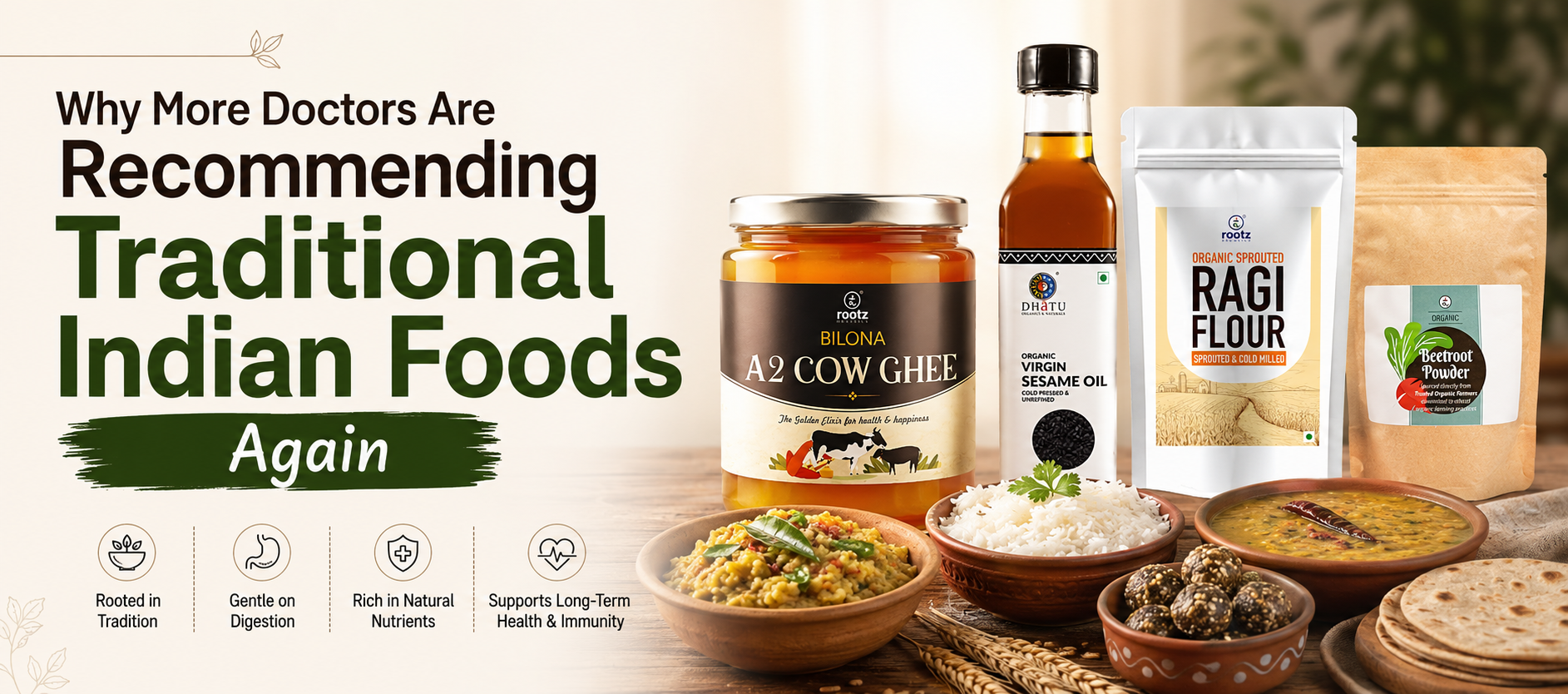
Why More Doctors Are Recommending Traditional Indian Foods Again
July 24th, 2026 -
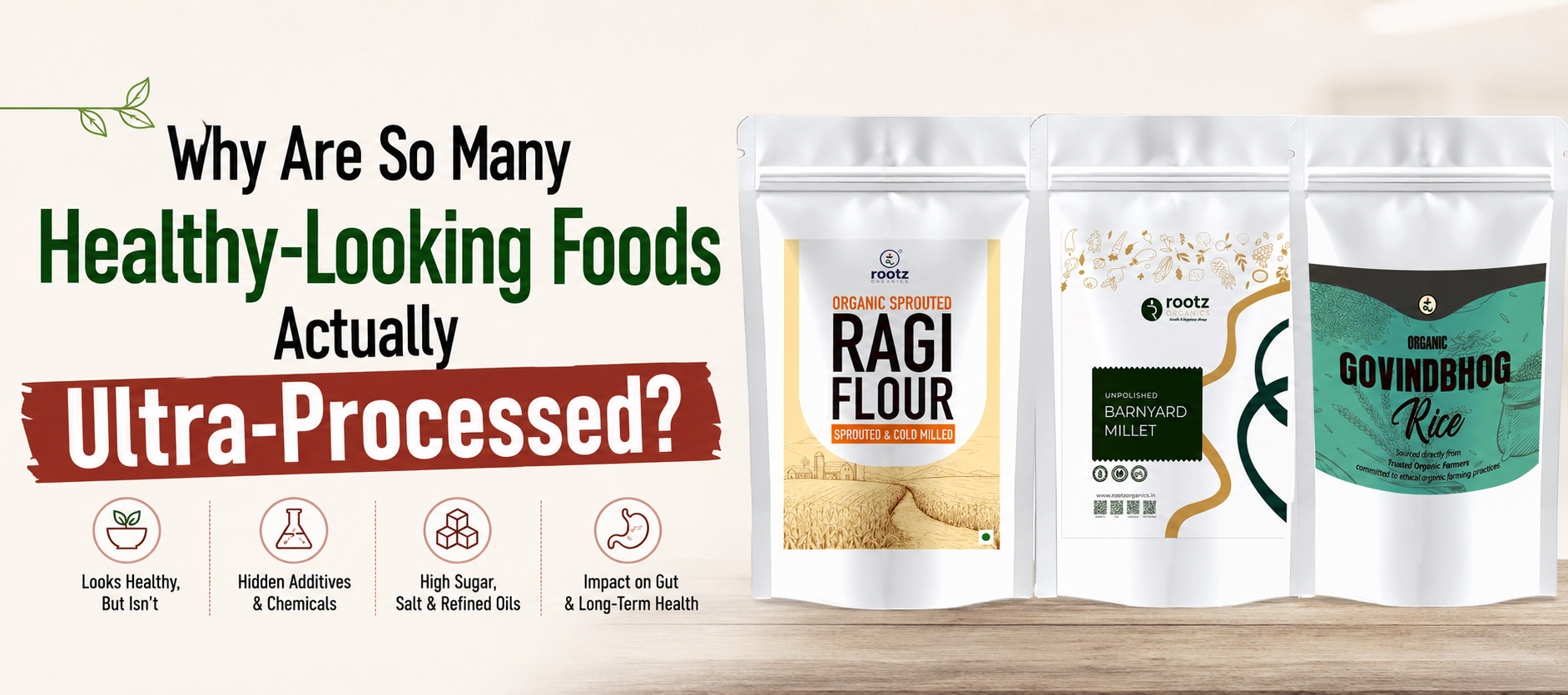
Why Are So Many Healthy-Looking Foods Actually Ultra-Processed
July 24th, 2026 -
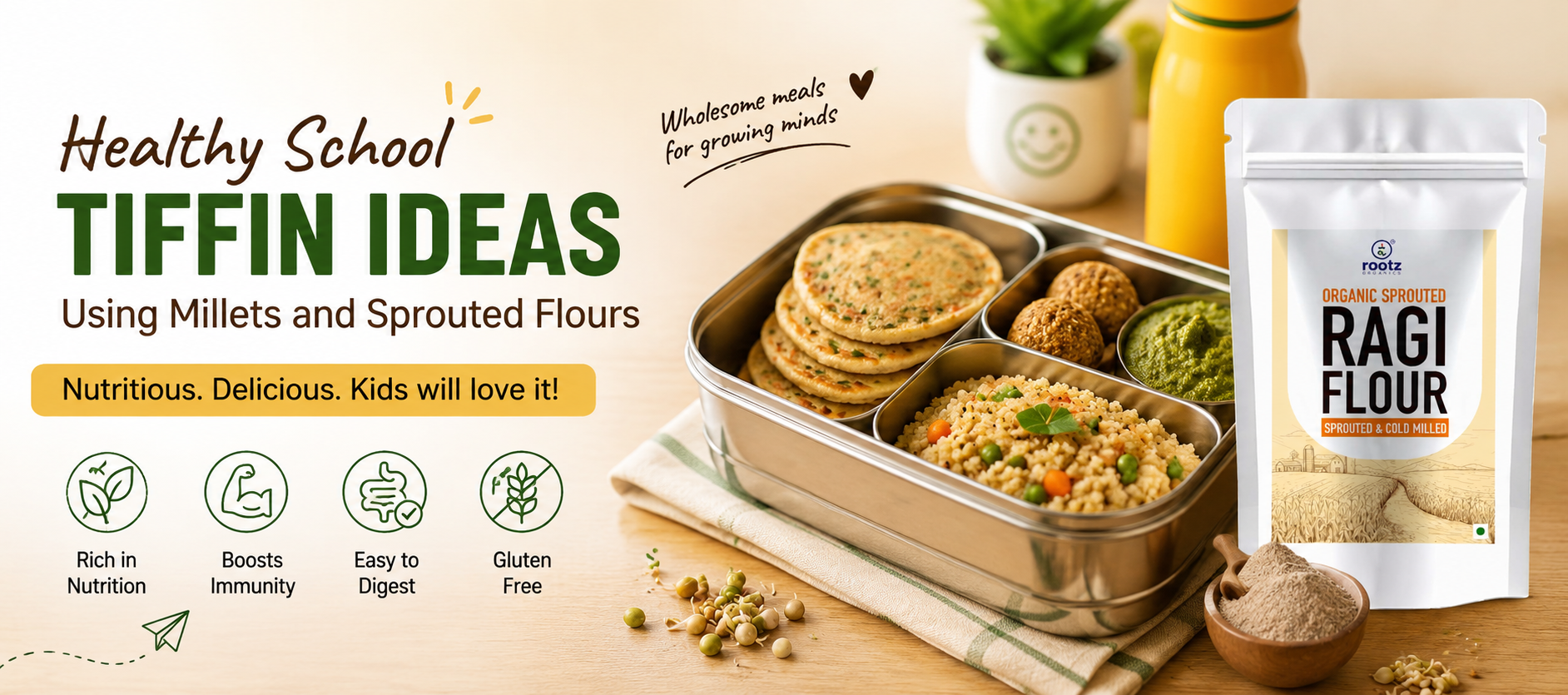
Healthy School Tiffin Ideas Using Millets and Sprouted Flours
July 22nd, 2026 -
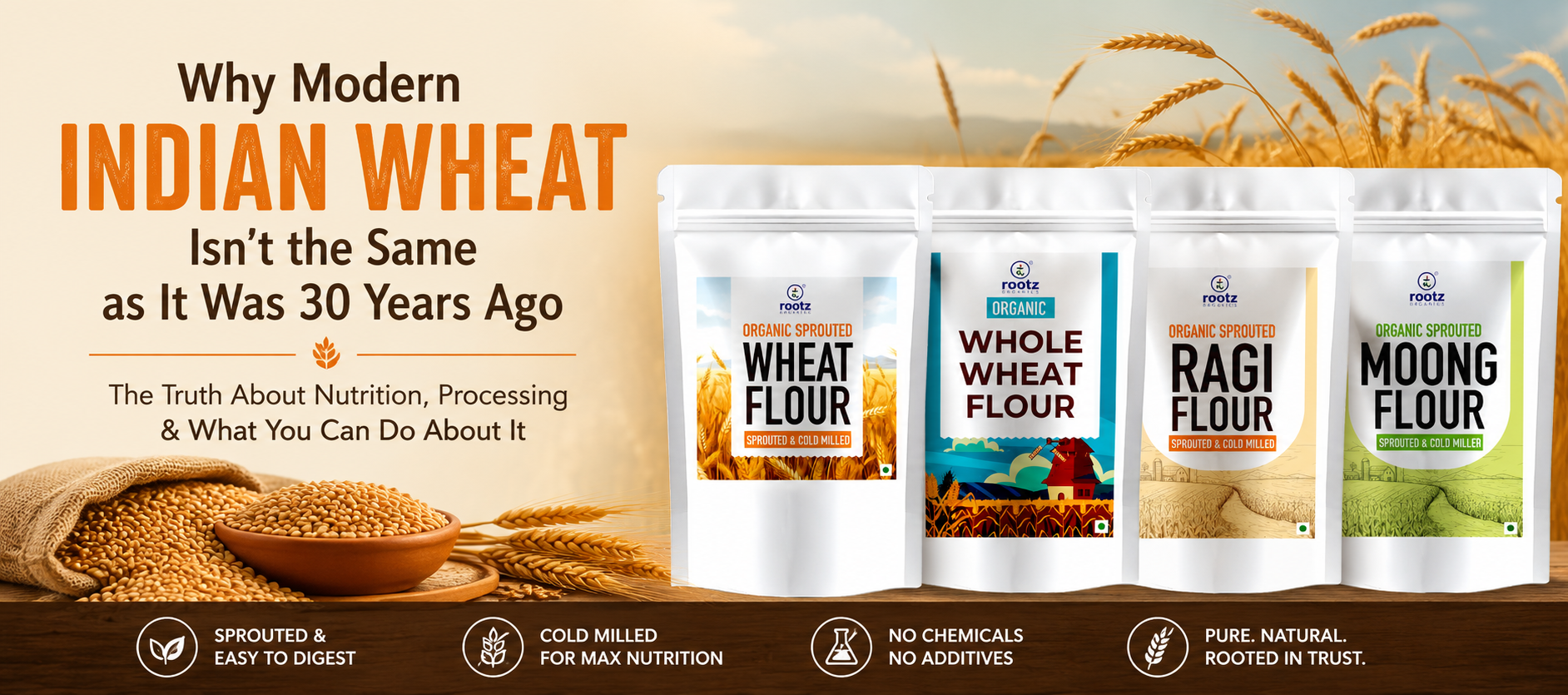
Why Modern Indian Wheat Isn't the Same as It Was 30 Years Ago
July 16th, 2026