Organic vs Non-Organic Food: What You Need to Know
In recent years, the conversation around healthy eating has grown significantly in India. Consumers are becoming more aware of what goes into their food, how it is produced, and how it affects long-term health. One of the most frequently asked questions today is about Organic vs Non-Organic Food and which option is better for families, children, and overall wellness.
With rising concerns about pesticides, food adulteration, and lifestyle diseases, many households are shifting toward safer and cleaner food choices. However, confusion still exists about the real difference between organic and conventional food. This guide explains the facts in simple, practical terms so you can make informed decisions based on health, budget, and lifestyle.
Whether you shop from an Online Organic Grocery or your local market, understanding food quality is essential. The goal of this article is not to promote a trend but to provide evidence-based insights that help you choose food wisely for your family.
What Is Organic Food?
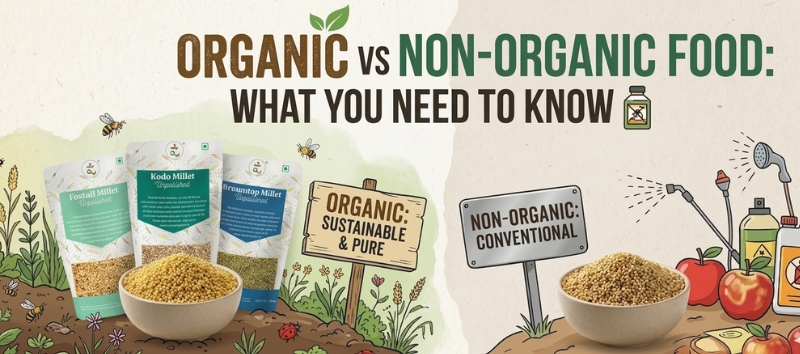
Organic food refers to products grown and processed without synthetic pesticides, chemical fertilizers, artificial preservatives, or genetically modified organisms (GMOs). Instead, organic farming relies on natural methods such as composting, crop rotation, and biological pest control.
In India, organic food certification is regulated by government bodies to ensure authenticity and safety standards. Farmers who produce organic food must follow strict guidelines to maintain soil health, biodiversity, and environmental sustainability.
Key Characteristics of Organic Food
- No synthetic pesticides or chemical fertilizers
- No artificial additives or preservatives
- Non-GMO ingredients
- Environmentally sustainable farming practices
- Higher focus on soil and water conservation
Traditional Indian farming practices historically followed organic principles, using natural fertilizers like cow dung and compost. Today, modern organic farming combines this traditional wisdom with scientific monitoring to ensure consistent food safety and nutrition.
What Is Non-Organic Food?
Non-organic food, also known as conventional food, is produced using modern agricultural methods designed to maximize yield and efficiency. These methods often include chemical fertilizers, pesticides, growth enhancers, and preservatives to improve shelf life and appearance.
While conventional farming has helped increase food production and reduce shortages, it has also raised concerns about chemical exposure, environmental damage, and declining soil fertility.
Common Features of Non-Organic Food
- Use of synthetic pesticides and fertilizers
- Higher production yield
- Longer shelf life
- Lower production costs
- Mass-scale farming techniques
Understanding these differences helps consumers make balanced decisions when comparing Organic vs Non-Organic Food in terms of health, safety, and affordability.
Organic vs Non-Organic Food: Key Differences Explained
1. Pesticide Exposure
One of the most significant differences between organic and non-organic food is the level of pesticide exposure. Conventional farming relies heavily on chemical pesticides to protect crops from insects and diseases.
Organic farming uses natural pest control methods such as neem oil, crop rotation, and beneficial insects. This reduces the amount of chemical residue in food and minimizes long-term health risks.
2. Nutritional Value
Studies suggest that organic food may contain higher levels of certain nutrients, particularly antioxidants and micronutrients. However, the nutritional difference can vary depending on soil quality, farming practices, and storage conditions.
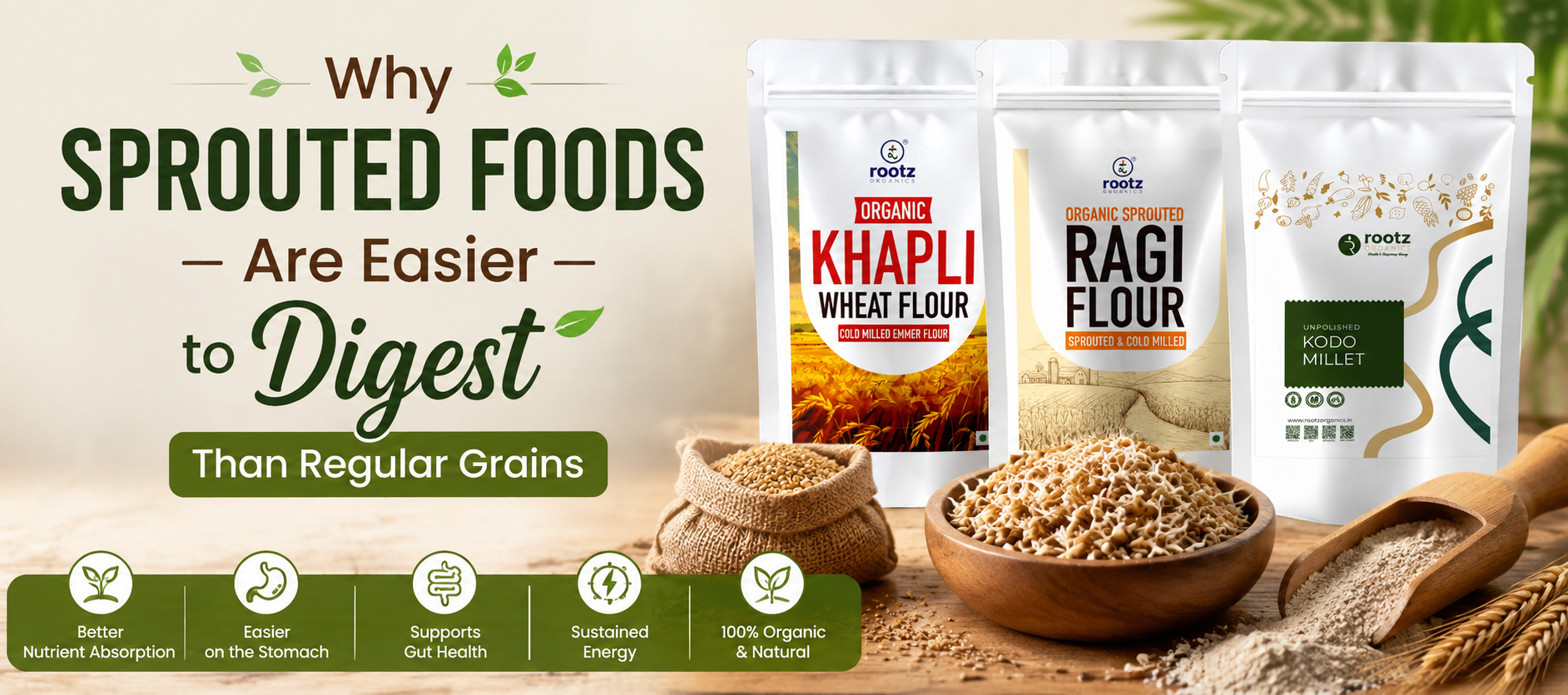
For example, traditional grains like unpolished millets retain more fiber, vitamins, and minerals compared to refined grains. These nutrients support digestion, immunity, and energy levels throughout the day.
3. Taste and Freshness
Many consumers report that organic food tastes fresher and more natural. This is often because organic produce is grown in nutrient-rich soil and harvested at the right time rather than being chemically ripened.
Freshly produced food typically retains its natural aroma and texture, making meals more enjoyable and satisfying.
4. Environmental Impact
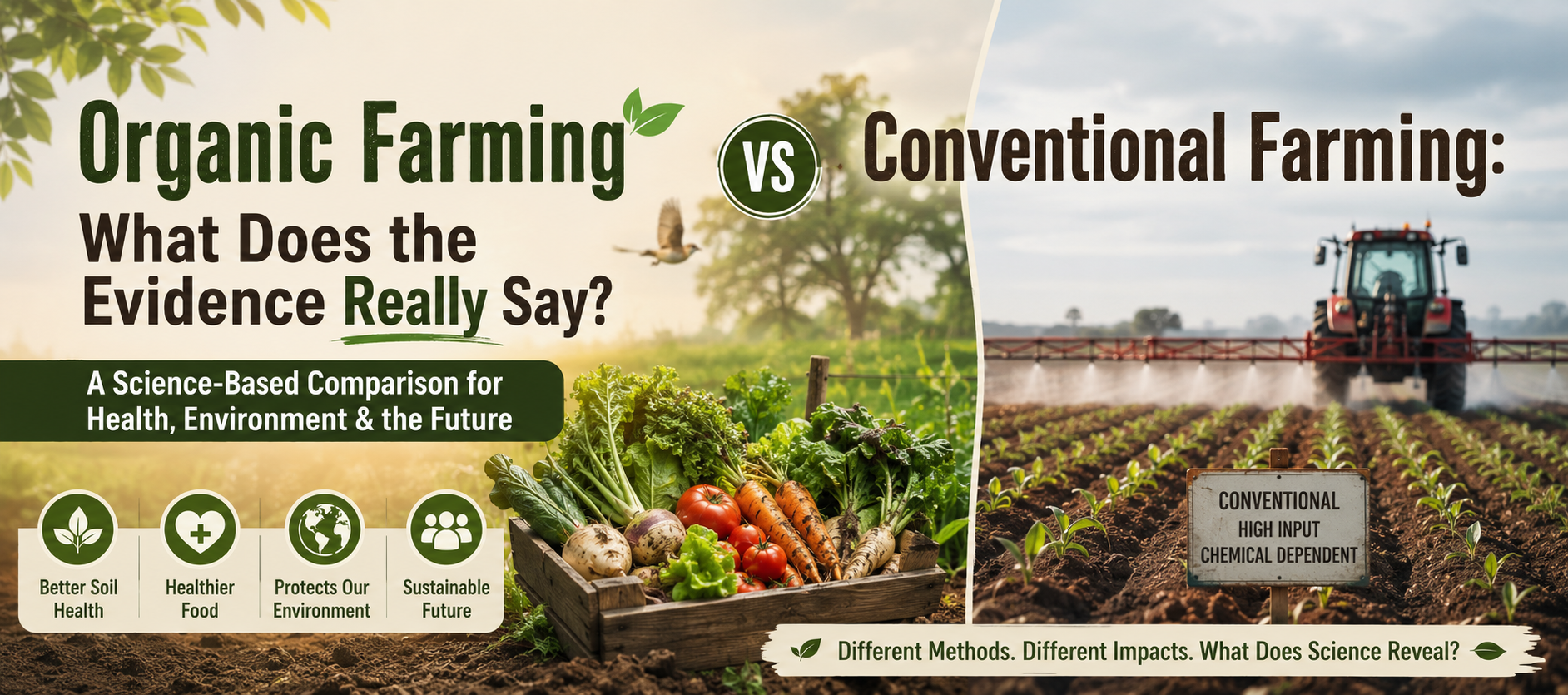
Organic farming supports biodiversity, reduces pollution, and conserves water resources. By avoiding harmful chemicals, it protects soil health and reduces contamination of groundwater.
Conventional farming, while efficient, can contribute to soil degradation and environmental imbalance when chemical usage is excessive.
5. Cost and Affordability
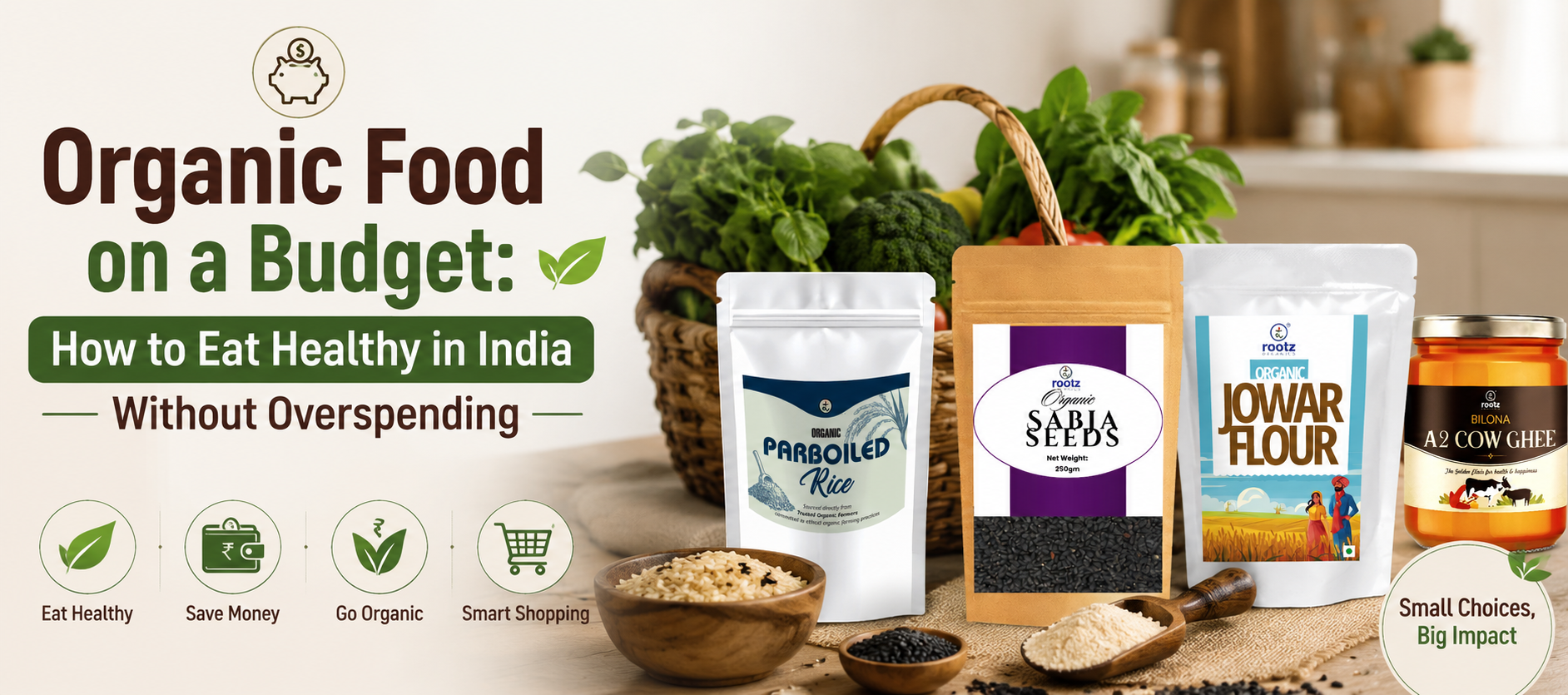
Organic food is generally more expensive than conventional food because it requires more labor, careful monitoring, and smaller-scale production. However, many consumers consider it a long-term investment in health and prevention.
Buying essentials from an Organic Food Products Online store can help families access a wide variety of clean-label products conveniently while maintaining consistent quality.
Health Benefits of Choosing Organic Food
Reduced Risk of Chemical Exposure
Lower exposure to pesticides and artificial additives reduces the risk of long-term health complications. This is especially important for children, pregnant women, and elderly individuals who are more sensitive to chemicals.
Better Digestive Health
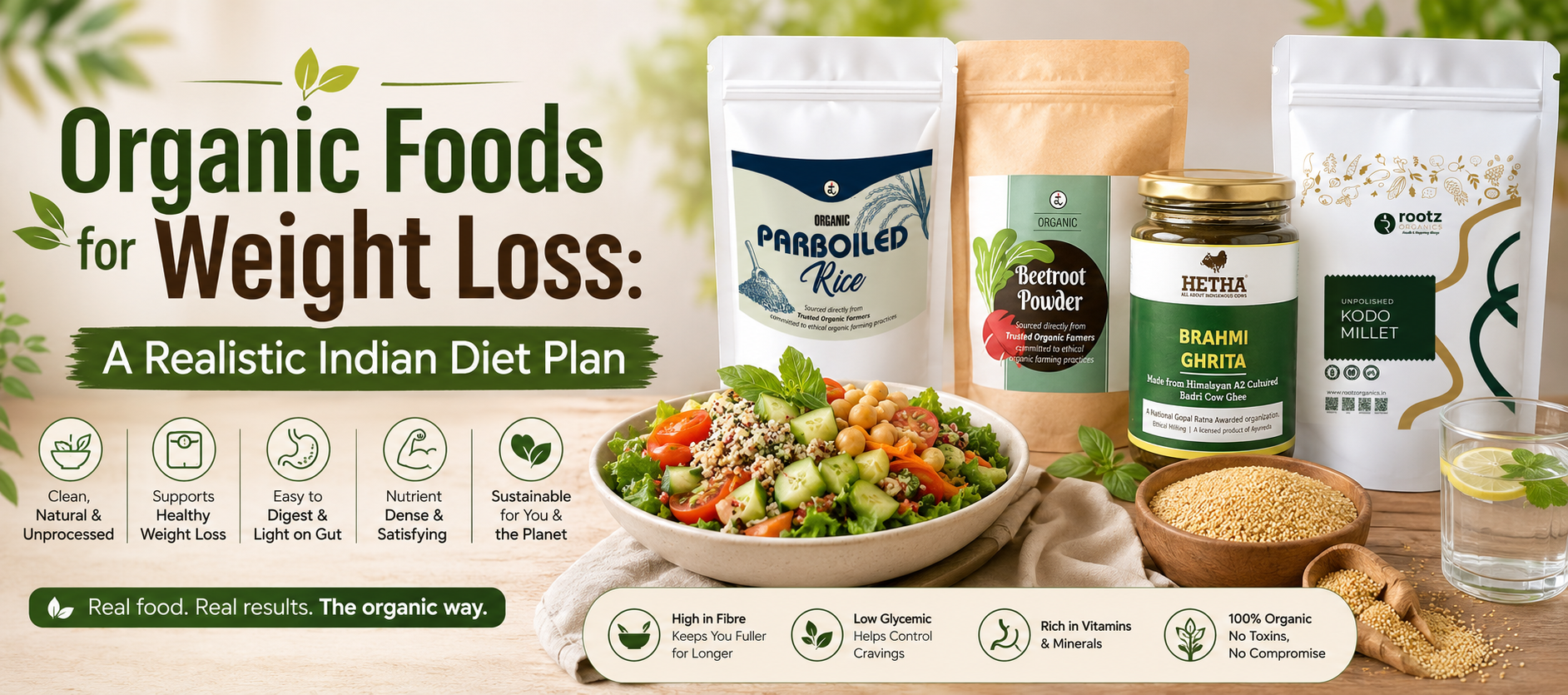
Whole foods such as Organic Millets Online are naturally rich in dietary fiber. Fiber supports gut health, improves digestion, and helps regulate blood sugar levels.
Stronger Immunity
Organic foods contain natural nutrients that support immune function. Regular consumption of nutrient-dense foods helps the body fight infections and maintain overall wellness.
Improved Energy Levels
Foods grown in healthy soil contain essential minerals that support metabolism and sustained energy throughout the day.
Are Organic Foods Always Healthier?
While organic food offers several benefits, it is important to understand that organic does not automatically mean healthier in every situation. The overall nutritional value of food depends on multiple factors, including freshness, storage, cooking methods, and portion size.
For example, consuming excessive sugar or processed snacks can still be unhealthy, even if the ingredients are organic. Balanced eating habits and variety in diet remain the foundation of good health.
How to Identify Genuine Organic Products in India
As demand for organic food grows, it is essential to verify product authenticity before purchasing. Many products may use the word "natural" or "healthy" without meeting official organic standards.
Look for Certification Labels
- Government-approved organic certification marks
- Clear ingredient list
- Manufacturing and expiry dates
- Transparent sourcing information
Reliable brands prioritize transparency and quality assurance to build consumer trust.
When Should You Choose Organic Food?
Switching entirely to organic food may not be necessary for every household. Instead, many families adopt a practical approach by prioritizing organic options for frequently consumed foods.
Foods Worth Choosing Organic
- Fruits and vegetables with edible skin
- Milk and dairy products such as Organic A2 Ghee
- Baby food and children's meals
- Whole grains and cereals
- Leafy vegetables
This strategy allows families to reduce chemical exposure while managing their food budget effectively.
Organic Food Trends in India
India is experiencing rapid growth in organic food consumption due to increasing health awareness, urbanization, and lifestyle changes. Consumers are becoming more conscious about ingredient quality and long-term wellness.
Digital platforms and home delivery services have made healthy food more accessible than ever before. The availability of fresh and clean-label products through modern supply chains has simplified the process of adopting healthier eating habits.
This shift reflects a broader movement toward preventive healthcare and sustainable living in Indian households.
Common Myths About Organic Food
Myth 1: Organic Food Is Always Chemical-Free
Organic farming uses natural pesticides, but these are carefully regulated and safer than synthetic chemicals.
Myth 2: Organic Food Does Not Last Long
Shelf life depends on storage conditions rather than farming method. Proper refrigeration and packaging can maintain freshness effectively.
Myth 3: Organic Food Is Only for Wealthy Consumers
Today, organic food is becoming more accessible to middle-income families due to growing supply and increasing awareness.
Practical Tips for Making the Switch to Organic Food
- Start with staple foods like grains and pulses
- Read labels carefully before buying
- Choose seasonal produce
- Store food properly to maintain freshness
- Plan meals to reduce food waste
Gradual changes are more sustainable than sudden lifestyle shifts. Over time, these small steps can lead to significant health benefits.
Final Thoughts: Making the Right Choice for Your Family
The debate around Organic vs Non-Organic Food is not about choosing one side blindly. Instead, it is about understanding food quality, safety, and long-term health impact.
Organic food supports sustainable farming, reduces chemical exposure, and promotes better nutrition. At the same time, balanced eating habits and informed purchasing decisions remain essential for maintaining overall wellness.
By learning how food is produced and choosing trustworthy sources, families can create healthier lifestyles while supporting responsible agriculture and environmental sustainability.
Frequently Asked Questions (FAQs)
1. Is organic food safer than non-organic food?
Organic food generally contains fewer chemical residues because it is grown without synthetic pesticides and fertilizers. This can reduce long-term health risks and improve food safety.
2. Why is organic food more expensive?
Organic farming requires more labor, careful monitoring, and natural production methods, which increase production costs compared to conventional farming.
3. Can organic food help improve immunity?
Organic foods contain natural nutrients and antioxidants that support immune function and overall health when consumed as part of a balanced diet.
4. Is it necessary to buy all food items organic?
No. Many families choose a practical approach by prioritizing organic options for frequently consumed foods such as fruits, vegetables, and dairy products.
5. How can I identify authentic organic products in India?
Look for certified labels, transparent ingredient lists, and reliable sourcing information to ensure product authenticity and quality.
-
 August 6th, 2026
 -
 August 6th, 2026