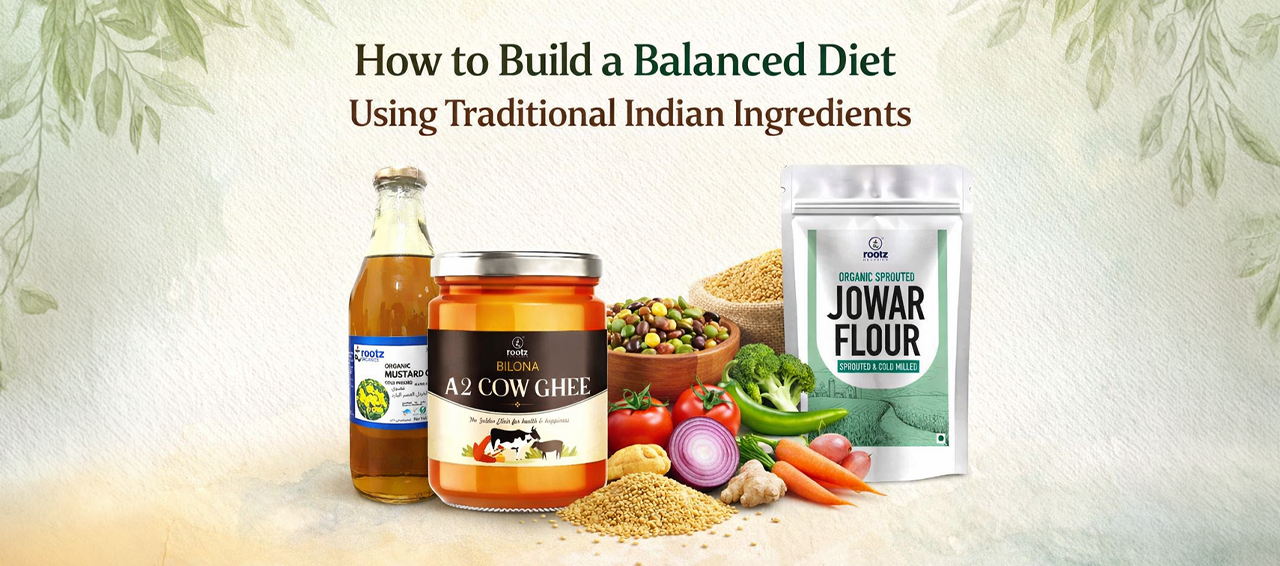
How to Build a Balanced Diet Using Traditional Indian Ingredients
In today’s fast-paced lifestyle, maintaining a healthy and balanced diet has become more important than ever for Indian families. With rising health concerns such as obesity, diabetes, digestive issues, and lifestyle disorders, people are increasingly looking for sustainable and natural ways to improve their eating habits. Fortunately, India’s traditional food system already offers a powerful solution. Rooted in Ayurveda and regional culinary wisdom, traditional Indian ingredients naturally provide the right balance of macronutrients and micronutrients needed for overall well-being.
A balanced diet does not require expensive imported foods or complex nutrition plans. Instead, it can be achieved by thoughtfully combining everyday Indian staples such as whole grains, pulses, seasonal vegetables, dairy, spices, and healthy fats. These ingredients have been part of Indian kitchens for centuries and are scientifically proven to support immunity, digestion, energy levels, and long-term health.
Today, with the availability of Online Organic Grocery platforms, building a nutritious diet using authentic traditional ingredients has become easier and more convenient. Families can access clean-label foods, chemical-free produce, and nutrient-dense staples delivered directly to their homes, ensuring both health and convenience.
This comprehensive guide explains how to build a balanced diet using traditional Indian ingredients, why these foods are essential for modern health, and how families across India can adopt simple dietary practices that support long-term wellness.
What Is a Balanced Diet and Why Is It Important for Indian Families?
A balanced diet is one that provides the body with the right proportions of carbohydrates, proteins, fats, vitamins, minerals, and fiber required for proper functioning. In the Indian context, a balanced diet is not a new concept. Traditional meals such as dal, roti, sabzi, rice, curd, and pickles were carefully designed to deliver complete nutrition in a single plate.
However, modern dietary habits have shifted toward processed foods, refined sugars, and packaged snacks. This shift has led to nutrient deficiencies, digestive problems, and reduced immunity. Returning to traditional Indian ingredients helps restore nutritional balance naturally.
Key Components of a Balanced Indian Diet
- Whole grains for sustained energy
- Pulses and legumes for protein
- Healthy fats for brain and hormone function
- Fresh fruits and vegetables for vitamins and minerals
- Dairy products for calcium and probiotics
- Spices and herbs for immunity and digestion
These components form the foundation of traditional Indian meals and continue to be relevant for modern lifestyles.
The Role of Traditional Indian Ingredients in Modern Nutrition
Traditional Indian ingredients are naturally nutrient-dense, seasonal, and locally sourced. They are also aligned with the principles of Ayurveda, which emphasizes balance, digestion, and preventive health. Unlike highly processed foods, these ingredients retain their natural nutrients and support overall wellness.
For example, millets provide high fiber and essential minerals, pulses offer plant-based protein, and cold-pressed oils deliver healthy fats. When sourced through trusted platforms offering Organic Food Products Online, these ingredients are free from harmful chemicals, pesticides, and artificial additives.
This shift toward clean and natural food choices reflects a growing awareness among Indian consumers about the importance of food quality and safety.
Whole Grains: The Foundation of a Balanced Diet
Whole grains are the primary source of energy in traditional Indian diets. Unlike refined grains, whole grains retain their bran, germ, and endosperm, making them rich in fiber, vitamins, and minerals.
Popular Traditional Whole Grains in India
- Wheat
- Rice
- Millets (Ragi, Jowar, Bajra)
- Barley
- Oats
These grains provide complex carbohydrates that release energy slowly, helping maintain stable blood sugar levels and sustained energy throughout the day. Using high-quality ingredients from trusted sources offering Organic Flours Online ensures better nutrition and improved digestion.
Whole grains also support heart health, weight management, and gut health, making them an essential part of a balanced diet for both adults and children.
Pulses and Legumes: The Protein Powerhouse of Indian Diets
Protein is essential for muscle repair, immunity, and overall growth. In traditional Indian diets, pulses and legumes serve as the primary source of plant-based protein. They are affordable, versatile, and nutritionally rich.
Common Indian Pulses for Daily Nutrition
- Moong Dal
- Masoor Dal
- Toor Dal
- Chana Dal
- Rajma
- Chickpeas
These pulses are also rich in fiber, iron, and essential amino acids. Regular consumption supports digestive health, improves energy levels, and helps maintain a healthy weight.
Combining pulses with grains such as rice or roti creates a complete protein meal, making traditional Indian dishes nutritionally balanced and satisfying.
Healthy Fats: Why Traditional Oils and Ghee Are Essential
For many years, fats were misunderstood and often avoided. However, modern nutrition science confirms that healthy fats are essential for brain function, hormone production, and nutrient absorption.
Traditional Indian diets include natural sources of healthy fats such as ghee, coconut oil, sesame oil, and mustard oil. These fats support digestion, boost immunity, and enhance the flavor of food.
Benefits of Using Organic A2 Ghee in Daily Meals
Organic A2 Ghee is considered one of the healthiest cooking fats in Ayurveda. It contains fat-soluble vitamins, omega-3 fatty acids, and antioxidants that support overall health.
Regular consumption of ghee in moderation helps:
- Improve digestion
- Support brain health
- Strengthen immunity
- Enhance nutrient absorption
- Promote healthy skin and joints
Similarly, choosing traditional cooking oils through reliable platforms offering Organic Oil Online ensures better quality and nutritional value compared to refined oils.
Fruits and Vegetables: The Natural Source of Vitamins and Minerals
Fresh fruits and vegetables are essential for maintaining immunity, hydration, and overall health. Traditional Indian diets emphasize seasonal and locally grown produce, which is naturally richer in nutrients and flavor.
Why Seasonal Produce Matters
- Higher nutrient content
- Better taste and freshness
- Lower environmental impact
- Improved digestion and immunity
Including a variety of colorful fruits and vegetables in daily meals ensures adequate intake of vitamins, antioxidants, and fiber.
Today, many families prefer sourcing fresh produce from trusted suppliers that deliver clean and chemical-free fruits and vegetables directly to homes, especially in urban areas such as Delhi and NCR.
Dairy and Fermented Foods: Supporting Gut Health Naturally
Dairy products and fermented foods play a crucial role in traditional Indian diets. They provide probiotics, calcium, and essential nutrients that support digestion and bone health.
Traditional Indian Fermented Foods
- Curd (Dahi)
- Buttermilk (Chaas)
- Idli and Dosa Batter
- Pickles
- Kanji
These foods promote healthy gut bacteria, improve nutrient absorption, and strengthen immunity. Regular consumption of fermented foods is particularly beneficial for individuals with digestive issues.
Spices and Herbs: The Immunity Boosters of Indian Kitchens
Indian spices are not just flavor enhancers; they are powerful natural medicines. Ayurveda recognizes spices as essential components of daily nutrition because of their therapeutic properties.
Essential Indian Spices for Health
- Turmeric for anti-inflammatory benefits
- Cumin for digestion
- Coriander for detoxification
- Ginger for immunity
- Black pepper for nutrient absorption
Adding spices to meals improves digestion, enhances metabolism, and protects the body against infections.
How to Build a Balanced Indian Meal Plate
A balanced Indian meal plate follows a simple principle: include a variety of food groups in the right proportions. This approach ensures that the body receives all essential nutrients.
Ideal Balanced Meal Plate
- 50% vegetables and fruits
- 25% whole grains
- 25% protein sources
- Small portion of healthy fats
- Dairy or fermented food
This structure can be easily adapted to different regional cuisines and dietary preferences across India.
Sample Balanced Diet Plan Using Traditional Indian Ingredients
Breakfast
- Vegetable poha or millet porridge
- Fresh fruit
- Glass of milk or buttermilk
Lunch
- Whole wheat roti or brown rice
- Dal or chickpea curry
- Seasonal vegetable sabzi
- Salad and curd
Dinner
- Light khichdi or vegetable soup
- Steamed vegetables
- Glass of warm milk
This simple meal plan demonstrates how traditional Indian foods naturally create a balanced diet without the need for complicated recipes.
Common Mistakes to Avoid When Building a Balanced Diet
- Skipping meals
- Overconsuming processed foods
- Ignoring portion sizes
- Reducing healthy fats excessively
- Not drinking enough water
Avoiding these mistakes helps maintain consistent energy levels and overall health.
The Growing Importance of Organic and Clean-Label Foods in India
As awareness about food safety and nutrition increases, more Indian consumers are choosing organic and clean-label foods. These products are grown without harmful pesticides, synthetic fertilizers, or artificial additives.
Purchasing essentials from reliable platforms offering Online Organic Grocery services allows families to access high-quality ingredients that support long-term health.
Clean-label foods also promote sustainable farming practices and protect the environment, making them a responsible choice for future generations.
Why Traditional Indian Diets Are Ideal for Modern Lifestyles
Traditional Indian diets are naturally balanced, diverse, and adaptable. They focus on whole foods, seasonal ingredients, and mindful eating practices. These principles align perfectly with modern nutrition guidelines and lifestyle needs.
By combining ancient wisdom with modern convenience, families can create a sustainable and healthy dietary routine that supports physical and mental well-being.
Conclusion: Building a Healthier Future with Traditional Indian Ingredients
Building a balanced diet does not require drastic changes or expensive foods. It simply requires returning to the basics of traditional Indian nutrition. Whole grains, pulses, vegetables, dairy, spices, and healthy fats provide everything the body needs to stay strong and healthy.
With the availability of high-quality ingredients through trusted sources offering Organic Food Products Online, maintaining a balanced diet has become easier than ever. By making informed food choices and embracing traditional ingredients, Indian families can improve their health, strengthen immunity, and create a sustainable future.
Frequently Asked Questions (FAQs)
1. What is the easiest way to build a balanced diet using traditional Indian foods?
The easiest way is to include a mix of whole grains, pulses, vegetables, fruits, dairy, and healthy fats in every meal. Following the traditional Indian meal structure of roti, dal, sabzi, and curd naturally creates a balanced diet.
2. Why are traditional Indian ingredients considered healthier than processed foods?
Traditional ingredients are minimally processed and retain their natural nutrients. They are rich in fiber, vitamins, and minerals, while processed foods often contain artificial additives, preservatives, and excess sugar or salt.
3. How can working professionals maintain a balanced diet with a busy schedule?
Meal planning, preparing simple traditional dishes, and sourcing quality ingredients from reliable grocery platforms can help professionals maintain healthy eating habits despite a busy lifestyle.
4. Are traditional Indian diets suitable for weight management?
Yes, traditional Indian diets focus on whole foods and balanced nutrition, which helps control hunger, improve metabolism, and support healthy weight management.
5. Why is choosing organic food important for long-term health?
Organic food is grown without harmful chemicals and retains higher nutritional value. Regular consumption reduces exposure to toxins and supports overall wellness.
-
 August 6th, 2026
 -
 August 6th, 2026