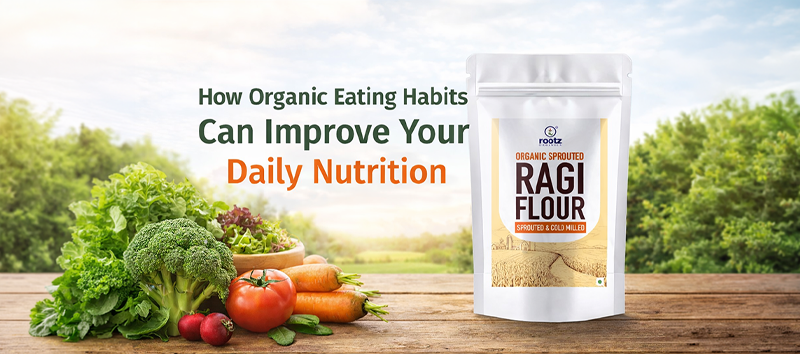
How Organic Eating Habits Can Improve Your Daily Nutrition
In recent years, India has witnessed a remarkable shift in the way people think about food and health. From busy urban professionals to health-conscious families, more individuals are becoming aware of the connection between what they eat and how they feel every day. Lifestyle-related concerns such as fatigue, digestive issues, weakened immunity, and weight imbalance have encouraged many people to rethink their dietary habits. As a result, organic eating has moved from being a niche trend to becoming a practical solution for better daily nutrition. Organic eating habits focus on consuming foods that are grown and processed without harmful chemicals, pesticides, synthetic fertilizers, or artificial additives. These foods are naturally rich in nutrients and closer to their original form. In the Indian context, organic eating also aligns with traditional dietary practices rooted in Ayurveda and regional food wisdom. By adopting organic eating habits, individuals can support their physical health, improve digestion, boost immunity, and maintain steady energy levels throughout the day. This blog explains how organic eating habits can transform daily nutrition, why they are gaining popularity in India, and how families can easily incorporate organic foods into their routine for long-term health benefits.
What Are Organic Eating Habits?
Organic eating habits refer to the regular consumption of foods that are produced using natural farming methods. These methods avoid the use of synthetic pesticides, chemical fertilizers, genetically modified organisms (GMOs), and artificial preservatives. Instead, farmers rely on traditional techniques such as crop rotation, composting, and natural pest control to maintain soil health and crop quality. In India, organic eating habits are deeply connected to traditional food culture. Many households have historically consumed locally grown grains, pulses, cold-pressed oils, and freshly prepared meals. Modern organic food practices are essentially a return to these roots, supported by improved farming standards and better food safety awareness. Organic foods include a wide variety of daily essentials such as grains, pulses, fruits, vegetables, dairy products, spices, and cooking oils. These foods are not only safer but also more nutritious because they retain their natural vitamins, minerals, and antioxidants.
Why Organic Eating Habits Are Becoming Popular in India
The demand for organic food in India has increased significantly over the past decade. Several factors have contributed to this growing interest, including rising health awareness, concerns about food safety, and the desire for natural nutrition.
Increasing Health Awareness
Indian consumers are becoming more informed about the impact of food choices on long-term health. Many people are now reading labels, researching ingredients, and choosing foods that support overall wellness. Organic eating habits provide a reliable way to avoid harmful chemicals and maintain a balanced diet.
Focus on Immunity and Preventive Health
The importance of strong immunity has become a priority for families across India. Organic foods are rich in essential nutrients that support the immune system and help the body fight infections naturally. Traditional ingredients such as millets, turmeric, and ghee are gaining popularity because of their proven health benefits.
Growing Availability Through Online Platforms
Today, consumers can easily access healthy food options through an Online Organic Grocery platform. This convenience has made it easier for families to purchase fresh, natural foods without visiting multiple stores. Online platforms also provide detailed product information, helping customers make informed decisions about their nutrition.
How Organic Eating Habits Improve Daily Nutrition
Organic eating habits can significantly enhance daily nutrition by providing cleaner, safer, and more nutrient-dense foods. These benefits go beyond basic nourishment and contribute to overall health and well-being.
1. Higher Nutrient Content in Organic Foods
Organic foods are often richer in essential nutrients such as vitamins, minerals, and antioxidants. Because organic farming practices focus on soil health, the crops grown in organic soil tend to absorb more nutrients. This results in better-quality food that supports daily nutritional needs. For example, organic fruits and vegetables typically contain higher levels of vitamin C, iron, and magnesium compared to conventionally grown produce. These nutrients play a vital role in maintaining energy levels, supporting immune function, and promoting healthy skin and bones.
2. Reduced Exposure to Harmful Chemicals
One of the biggest advantages of organic eating habits is the reduced intake of harmful chemicals. Conventional farming often uses pesticides and synthetic fertilizers that can leave residues on food. Over time, these residues may affect digestion, hormone balance, and overall health. By choosing organic foods, families can minimize their exposure to toxins and support safer nutrition for children and adults alike. This is especially important for pregnant women, infants, and individuals with sensitive health conditions.
3. Improved Digestive Health
Digestive health is a key component of daily nutrition. Organic foods are naturally free from artificial additives and preservatives, making them easier for the body to digest. Whole grains, pulses, and natural oils support healthy gut bacteria and improve nutrient absorption. Including traditional grains and Organic Flours Online in daily meals can help maintain a healthy digestive system. These flours retain their natural fiber content, which supports regular bowel movements and reduces the risk of digestive discomfort.
4. Better Energy and Stamina Throughout the Day
Many people experience energy fluctuations due to poor dietary habits and processed foods. Organic foods provide steady energy because they are rich in complex carbohydrates, healthy fats, and natural proteins. These nutrients release energy gradually, helping individuals stay active and focused throughout the day. For working professionals and students, consistent energy levels are essential for productivity and mental clarity. Organic eating habits can help maintain stable blood sugar levels and reduce fatigue.
The Role of Traditional Indian Foods in Organic Nutrition
India has a rich culinary heritage that emphasizes natural ingredients and balanced meals. Traditional foods such as millets, lentils, fermented dishes, and clarified butter have been part of Indian diets for centuries. These foods are now being recognized for their nutritional value and health benefits.
Importance of Millets and Whole Grains
Millets are among the most nutritious grains available in India. They are naturally gluten-free, high in fiber, and rich in essential minerals such as iron and calcium. Millets support digestive health, regulate blood sugar levels, and promote heart health. Incorporating millet-based dishes into daily meals is a simple way to improve nutrition. Popular options include millet rotis, porridge, and dosa. These foods are both wholesome and satisfying.
Benefits of Healthy Fats in Daily Diet
Healthy fats play an important role in maintaining brain function, hormone balance, and overall energy levels. Traditional Indian cooking often uses natural fats such as ghee and cold-pressed oils. Using Cold Pressed Oils in cooking helps preserve essential nutrients and antioxidants. Unlike refined oils, cold-pressed oils are extracted using mechanical methods without high heat or chemicals, ensuring better nutritional quality.
Nutritional Value of Organic Dairy Products
Dairy products are an essential part of many Indian diets. Organic dairy products, particularly Organic A2 Ghee, are valued for their purity and digestibility. A2 ghee contains beneficial fatty acids that support digestion, improve immunity, and enhance nutrient absorption. Adding a small amount of ghee to daily meals can improve the taste of food while providing essential nutrients for overall health.
How to Build Organic Eating Habits for Everyday Life
Adopting organic eating habits does not require drastic changes. Small, consistent steps can make a significant difference in daily nutrition. Families can gradually replace conventional foods with organic alternatives and create healthier routines.
Start with Daily Staples
The easiest way to begin is by switching to organic versions of commonly used foods such as flour, rice, pulses, and cooking oil. These staples form the foundation of most meals, so improving their quality can have a direct impact on nutrition.
Plan Balanced Meals
A balanced meal includes carbohydrates, proteins, healthy fats, vitamins, and minerals. Combining whole grains, vegetables, lentils, and natural fats ensures complete nutrition. Planning meals in advance helps families maintain healthy eating habits even during busy schedules.
Choose Seasonal and Local Foods
Seasonal foods are fresher, more nutritious, and better suited to the body’s needs. Local produce also supports regional farmers and reduces environmental impact. In India, seasonal fruits and vegetables vary by region, making it easier to maintain a diverse and balanced diet.
Shop from Reliable Sources
Purchasing food from trusted sources ensures product quality and safety. Choosing certified Organic Food Products Online helps families access a wide range of healthy options, including grains, snacks, and daily essentials.
Organic Eating Habits for Different Age Groups
Nutrition requirements vary depending on age, lifestyle, and health conditions. Organic eating habits can benefit individuals at every stage of life.
Children and Growing Teens
Children need nutrient-rich foods to support growth and development. Organic fruits, vegetables, and whole grains provide essential vitamins and minerals without harmful chemicals. These foods also help build strong immunity and improve concentration.
Working Professionals
Busy professionals often rely on quick meals and processed foods due to time constraints. Switching to organic snacks and home-cooked meals can improve energy levels and reduce stress-related health issues.
Senior Citizens
Older adults require easily digestible foods that support bone health and immunity. Organic foods are gentle on the digestive system and provide essential nutrients for healthy aging.
Environmental Benefits of Organic Eating Habits
Organic eating habits not only improve personal health but also contribute to environmental sustainability. Organic farming practices protect soil fertility, conserve water, and reduce pollution. These practices support biodiversity and promote long-term agricultural sustainability. By choosing organic foods, consumers play an active role in protecting natural resources and supporting eco-friendly farming methods. This collective effort helps create a healthier environment for future generations.
Common Myths About Organic Eating Habits
Myth 1: Organic Food Is Only for Special Diets
Organic food is suitable for everyone, not just individuals with specific dietary needs. It provides balanced nutrition and supports overall health for people of all ages.
Myth 2: Organic Food Is Difficult to Find
With the growth of digital platforms, accessing healthy food options has become easier than ever. Consumers can conveniently purchase groceries from an Online Organic Grocery store and have them delivered to their doorstep.
Myth 3: Organic Food Does Not Taste Better
Many people find that organic foods have a richer flavor because they are grown naturally and harvested at the right time. Fresh ingredients enhance the taste and quality of meals.
Future of Organic Eating in India
The future of organic eating in India looks promising as more consumers prioritize health, sustainability, and food safety. Government initiatives supporting organic farming and increasing consumer awareness are expected to drive further growth in the organic food sector. Urban and semi-urban households are leading this transformation by adopting healthier lifestyles and choosing natural foods for daily nutrition. As awareness continues to spread, organic eating habits are likely to become a standard part of modern Indian living.
Conclusion
Organic eating habits offer a practical and sustainable way to improve daily nutrition. By choosing natural foods free from harmful chemicals, families can support better digestion, stronger immunity, and consistent energy levels. These habits also align with traditional Indian dietary practices that emphasize balance, freshness, and mindful consumption. Incorporating organic foods into everyday meals does not require major lifestyle changes. Simple steps such as selecting high-quality staples, planning balanced meals, and choosing seasonal ingredients can make a lasting difference in health and well-being. As awareness of nutrition and wellness continues to grow in India, organic eating habits are becoming an essential part of a healthier future for individuals, families, and communities.
Frequently Asked Questions (FAQs)
1. How do organic eating habits improve daily nutrition?
Organic eating habits improve daily nutrition by providing foods that are free from harmful chemicals and rich in natural nutrients. These foods support better digestion, stronger immunity, and steady energy levels.
2. Are organic foods suitable for everyday meals?
Yes, organic foods are ideal for everyday meals. They include common staples such as grains, pulses, vegetables, and oils that can be easily incorporated into regular cooking.
3. Is organic food safe for children and elderly people?
Organic food is generally safer because it contains fewer chemical residues. It is suitable for children, adults, and senior citizens who require clean and nutritious food.
4. How can I start organic eating on a budget?
You can begin by switching to organic versions of frequently used foods such as flour, rice, and cooking oil. Gradually adding more organic items to your diet helps manage costs while improving nutrition.
5. Why is organic food becoming popular in India?
Organic food is gaining popularity in India due to increasing health awareness, demand for natural nutrition, and easy access to quality products through online platforms.
-
 August 6th, 2026
 -
 August 6th, 2026