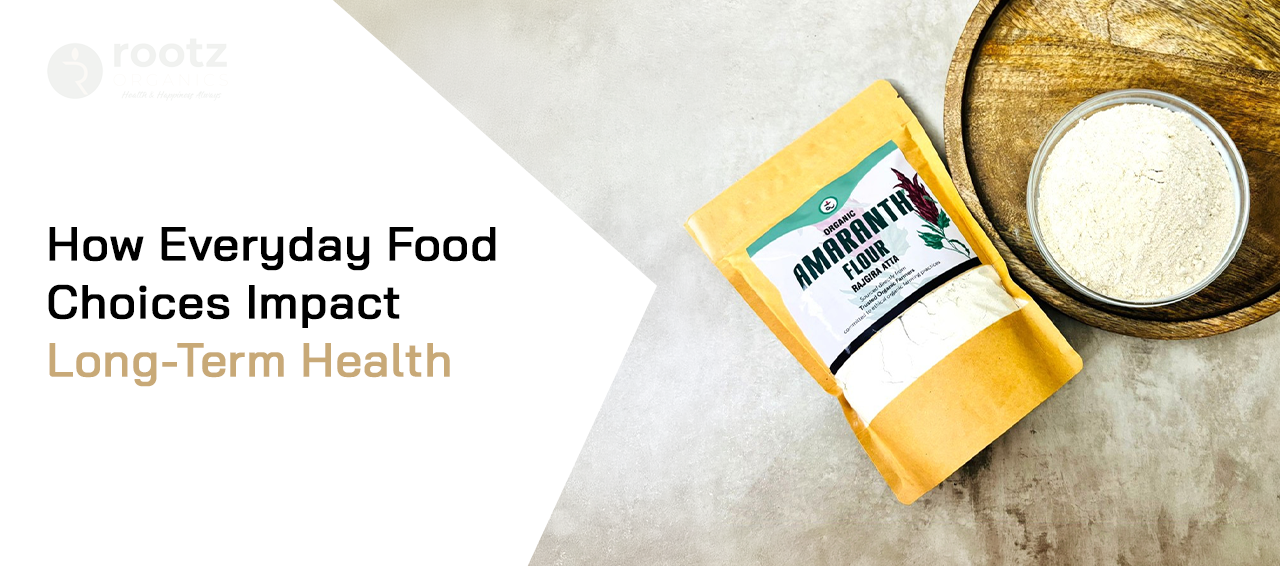
How Everyday Food Choices Impact Long-Term Health
In today’s fast-paced lifestyle, what we eat daily often feels like a matter of convenience rather than conscious decision-making. Yet, science and traditional wisdom both confirm one powerful truth: Everyday Food Choices shape our long-term physical health, mental well-being, immunity, and quality of life. The foods we consume consistently—not occasionally—play the most important role in preventing lifestyle disorders, strengthening immunity, and building sustainable wellness.
For Indian households, this connection is even more relevant. With rising cases of diabetes, obesity, digestive disorders, and immunity-related issues, nutrition is no longer just about taste or tradition—it is about responsibility toward future health. Let’s explore how mindful eating habits influence long-term wellness and how small, practical changes can create lifelong benefits.
The Long-Term Impact of Everyday Food Choices on Health
Our bodies respond not to one healthy meal but to repeated dietary patterns. Consuming highly processed foods, excess sugar, refined oils, and chemical-laden products over years gradually leads to inflammation, metabolic disorders, hormonal imbalance, and weakened immunity.
On the other hand, clean, nutrient-rich foods strengthen the gut, regulate blood sugar, improve digestion, and support mental clarity. Everyday Food Choices influence:
- Energy levels throughout the day
- Long-term immunity strength
- Heart health and cholesterol balance
- Digestive health and gut microbiome
- Hormonal stability
- Mental focus and emotional well-being
This makes nutrition a daily investment, not a short-term solution.
Healthy Foods Online: Building Smart Eating Habits in a Digital World
Access to Healthy Foods Online has made mindful nutrition easier for urban and semi-urban families in India. Instead of depending on chemically preserved packaged products, consumers can now choose clean-label foods that support wellness goals.
Benefits of shifting to healthier food platforms include:
- Transparent sourcing
- Natural ingredients
- Cleaner processing methods
- Better nutritional value
- Trust in quality and freshness
This digital accessibility supports consistent healthy eating habits, which is the foundation of long-term wellness.
Organic Food Online: Reducing Toxic Load on the Body
Chemical residues from pesticides, fertilizers, and preservatives slowly accumulate in the body, increasing the risk of chronic diseases. Choosing Organic Food Online helps reduce this toxic burden and supports natural body functions.
Long-term benefits include:
- Better liver health
- Improved immunity
- Reduced inflammation
- Safer nutrition for children and elders
- Better gut health
Organic nutrition supports the body’s natural detox system and promotes sustainable wellness.
Organic Wheat Flour: Supporting Digestive and Metabolic Health
Refined flours often lack fiber, minerals, and essential nutrients. Organic Wheat Flour, when stone-ground and minimally processed, supports better digestion and nutrient absorption.
Long-term health advantages include:
- Improved gut function
- Stable blood sugar levels
- Better satiety and weight management
- Reduced acidity and bloating
- Balanced energy release
This makes it a healthier daily staple for Indian households focused on long-term nutrition.
Unpolished Millets: Traditional Nutrition for Modern Health Problems
Millets were once the backbone of Indian diets. Unpolished Millets retain their natural fiber, minerals, and antioxidants, making them powerful tools for long-term disease prevention.
Health benefits include:
- Diabetes management
- Heart health support
- Improved digestion
- Better bone strength
- Long-lasting energy
- Weight management
Their low glycaemic index and high fiber content make them ideal for sustainable daily nutrition.
Cold Pressed Oils: Protecting Heart and Hormonal Health
Cooking oils significantly affect long-term health. Cold Pressed Oils retain natural antioxidants, essential fatty acids, and nutrients that refined oils lose during chemical processing.
Long-term benefits:
- Better cholesterol balance
- Heart protection
- Hormonal stability
- Improved immunity
- Anti-inflammatory support
Traditional extraction methods ensure purity and nutritional integrity, making them ideal for daily cooking.
How Food Choices Influence Immunity and Mental Health
Nutrition directly affects brain chemistry and immune response. Diets rich in clean, natural foods help regulate neurotransmitters, improve sleep quality, reduce anxiety, and strengthen immune defenses.
Consistent healthy eating supports:
- Stress management
- Emotional balance
- Cognitive performance
- Disease resistance
- Faster recovery from illness
This proves that nutrition is not just physical—it is mental and emotional medicine.
Long-Term Health Is Built Through Daily Habits, Not Occasional Dieting
Many people focus on short-term diets, detox plans, or quick-fix nutrition trends. True wellness comes from daily discipline, consistency, and awareness. Small daily decisions—what oil you cook in, what grain you eat, what flour you use, what snacks you choose—collectively shape your future health.
Sustainable nutrition is:
- Practical
- Affordable in the long run
- Culturally adaptable
- Family-friendly
- Lifestyle-oriented
Final Thoughts: Everyday Food Choices as a Lifelong Investment
Health is not created in hospitals—it is built in kitchens. The quality of food on your plate today determines your health tomorrow. By making conscious Everyday Food Choices, individuals and families can protect themselves from lifestyle diseases, improve immunity, strengthen mental health, and enjoy a higher quality of life.
Long-term wellness is not about perfection—it is about consistency. Choosing clean, natural, nutrient-rich foods daily creates a powerful foundation for a healthier future. In a country like India, where traditional food wisdom already exists, combining it with modern clean nutrition practices offers the best path toward sustainable living. Your plate is not just a meal—it is a decision that shapes your future. Choose wisely, eat mindfully, and invest in health that lasts a lifetime.
Frequently Asked Questions (FAQs)
How do everyday food choices affect long-term health?
Everyday food choices influence metabolism, immunity, heart health, digestion, and hormonal balance. Consistently consuming processed foods, refined sugar, and unhealthy oils increases the risk of diabetes, obesity, and heart disease, while whole, natural foods support long-term wellness.
Can changing my daily diet prevent lifestyle diseases in India?
While no diet guarantees prevention, a balanced diet rich in whole grains, millets, cold-pressed oils, fruits, and vegetables can significantly reduce the risk of lifestyle diseases such as diabetes, high blood pressure, and obesity.
Is organic food healthier than regular food in India?
Organic food is grown without synthetic pesticides and harmful chemicals. Choosing organic reduces long-term exposure to toxins and supports better gut health, immunity, and overall well-being.
Are millets good for diabetes and weight loss?
Yes. Unpolished millets have a low glycaemic index and high fiber content, which helps regulate blood sugar levels, improve digestion, and support sustainable weight management.
Why are cold-pressed oils considered healthier?
Cold-pressed oils are extracted without high heat or chemical solvents, preserving natural antioxidants and essential fatty acids. They support heart health, hormonal balance, and reduce inflammation compared to refined oils.
Does refined wheat flour impact long-term health?
Refined flour (maida) lacks fiber and essential nutrients. Long-term consumption may contribute to blood sugar spikes, digestive issues, and weight gain. Switching to whole or organic wheat flour supports better digestion and metabolic balance.
How does food impact immunity naturally?
Nutrient-dense foods rich in fiber, vitamins, minerals, and antioxidants strengthen gut health, which plays a major role in immune function. Consistent clean eating helps improve the body’s natural defense system.
Can diet affect mental health and stress levels?
Yes. A balanced diet supports neurotransmitter production, improves sleep quality, and stabilizes mood. Diets high in processed foods and sugar may increase inflammation and affect mental clarity and emotional balance.
What are the best daily food habits for long-term health in India?
Healthy daily habits include:
- Eating seasonal fruits and vegetables
- Choosing whole grains and millets
- Using cold-pressed oils
- Reducing refined sugar and processed snacks
- Drinking adequate water
- Maintaining consistent meal timing
How can Indian families start eating healthier without drastic changes?
Start gradually:
- Replace refined flour with whole or organic wheat flour
- Introduce millets twice a week
- Switch to cold-pressed oils
- Reduce packaged and ultra-processed foods
- Focus on home-cooked meals
Small, consistent changes create lasting health benefits.
-
 August 6th, 2026
 -
 August 6th, 2026