Healthy Cooking Starts with Choosing the Right Flour
Choosing Better Flour Options for Everyday Healthy Cooking
In recent years, Indian households have started paying closer attention to the quality of ingredients used in daily meals. Among all kitchen staples, flour plays a crucial role because it forms the base of many traditional dishes—from rotis and parathas to dosas, laddoos, and baked goods. Choosing the right flour can significantly influence nutrition, digestion, and overall wellness.
Today, more families are exploring cleaner and more natural food choices as part of their daily routine. Many consumers now prefer products grown using natural farming practices that avoid harmful chemicals and synthetic additives. With the rise of digital grocery platforms, families can easily access reliable ingredients from trusted suppliers and maintain consistent quality in their kitchens.
For households seeking convenience and dependable sourcing, purchasing organic flours online has become a practical solution that saves time while ensuring better food quality.
Why Ingredient Quality Matters in Daily Cooking
Flour is consumed daily in most Indian households. From breakfast to dinner, grain-based dishes dominate the menu. Because of this frequent consumption, even small improvements in ingredient quality can make a meaningful difference in overall health.
Natural farming methods focus on preserving soil health, maintaining nutrient density, and supporting environmentally responsible agriculture. Products produced through these methods often retain more fiber and essential minerals, which contribute to better digestion and sustained energy levels.
Choosing high-quality flour is not just about taste—it is about supporting long-term wellness and building healthier dietary habits for the entire family.
Key Advantages of Choosing Better Flour Options
- Reduced exposure to synthetic chemicals
- Improved nutrient retention
- Better digestion and gut health
- Enhanced flavor and freshness
- Support for sustainable farming practices
These benefits make quality flour an important part of everyday nutrition planning.
The Growing Interest in Traditional Grains
India has a long history of using diverse grains in daily meals. Millets and whole grains were once staples in regional diets, providing balanced nutrition and resilience against changing climates. Over time, refined grains became more common, but many families are now rediscovering the nutritional advantages of traditional ingredients.
Modern consumers are increasingly interested in foods that combine heritage value with contemporary convenience. This shift reflects a broader awareness of preventive health and mindful eating.
Reasons for Renewed Popularity
- Greater awareness of nutrition and wellness
- Increased focus on digestive health
- Interest in balanced and diverse diets
- Growing demand for minimally processed foods
- Support for local and sustainable agriculture
By reintroducing traditional grains into everyday meals, households can create a more balanced and nutritious diet.
Popular Flour Choices for Everyday Meals
Different grains offer unique nutritional benefits and culinary uses. Understanding these differences helps families make informed decisions when planning meals.
Whole Grain Wheat for Daily Cooking
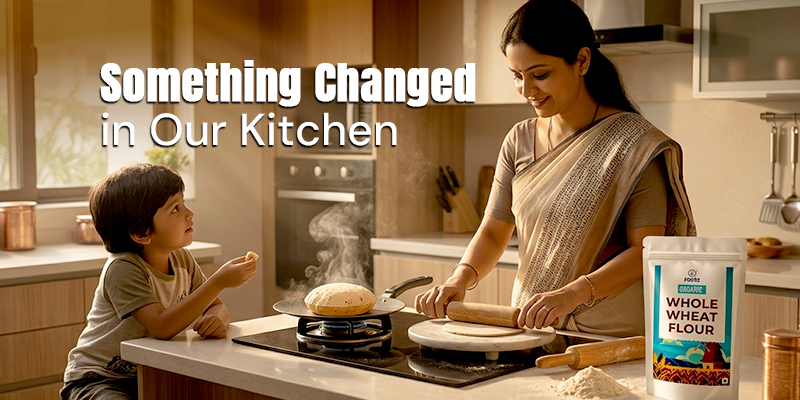
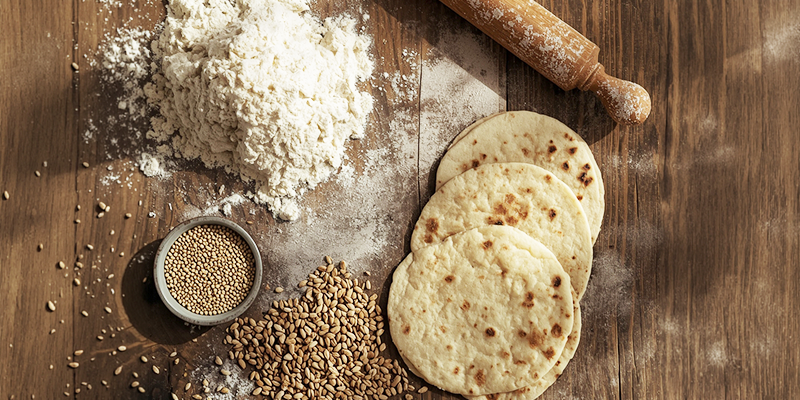
Whole grain wheat remains one of the most widely used ingredients in Indian kitchens. It is commonly used to prepare chapatis, parathas, puris, and baked goods. When processed carefully, wheat retains its natural fiber and nutrients, making it suitable for regular consumption.
Nutritional Highlights- Provides steady energy throughout the day
- Supports digestive health
- Contains essential vitamins and minerals
- Helps maintain balanced nutrition
Because of its versatility and familiarity, wheat continues to be a reliable choice for everyday meals.
Calcium-Rich Millet for Nutritional Support
Finger millet is widely recognized for its high mineral content and nutritional value. It is particularly beneficial for children, elderly individuals, and people seeking stronger bones and improved energy levels. Many families incorporate this grain into porridge, pancakes, and traditional snacks to enhance their daily nutrient intake.
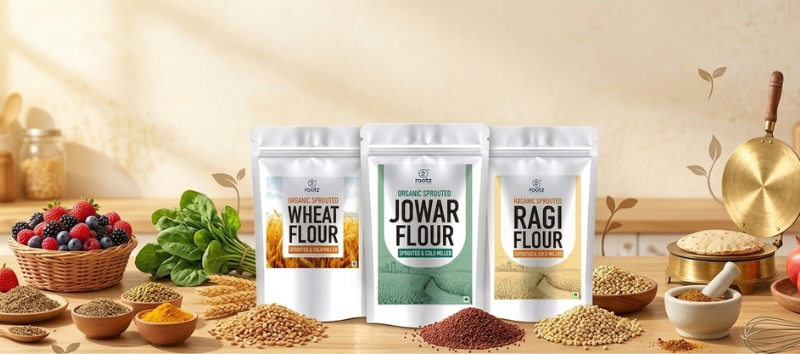
Adding organic ragi flour to regular meal planning can help improve calcium consumption while maintaining familiar flavors and cooking methods.
Benefits of Including Finger Millet- Supports bone health and growth
- Provides sustained energy
- Helps maintain balanced blood sugar levels
- Encourages dietary diversity
A Versatile Grain for Light and Nutritious Meals
Sorghum is another traditional grain valued for its light texture and digestibility. It is commonly used in flatbreads and regional recipes across many parts of India. This grain is naturally rich in fiber and antioxidants, making it a suitable addition to modern meal plans.
Including organic jowar flour in weekly cooking routines can help diversify nutrient intake and support digestive comfort.
Advantages of Sorghum-Based Meals- Promotes digestive health
- Supports heart wellness
- Provides essential nutrients
- Encourages balanced eating habits
How to Select High-Quality Flour for Your Kitchen
Choosing the right product requires attention to several important factors. Understanding these elements helps ensure freshness, safety, and consistent cooking results.
Important Considerations1. Clear Product Information
Look for detailed labeling that explains sourcing methods and processing practices. Transparency indicates reliable quality standards.
2. Freshness and Milling Practices
Freshly processed flour typically retains more nutrients and natural flavor. Smaller production batches often provide better consistency.
3. Packaging Quality
Secure packaging protects products from moisture, dust, and contamination. Proper sealing helps maintain freshness during storage.
4. Storage Recommendations
Following proper storage guidelines ensures longer shelf life and better performance in cooking.
The Role of Balanced Diets in Modern Lifestyles
Healthy eating habits are built on variety and moderation. Combining different grains in weekly meal planning helps families meet their nutritional needs without drastic dietary changes.
Simple adjustments—such as rotating grains or mixing flours—can improve dietary balance while preserving traditional flavors.
Benefits of Dietary Variety- Improved nutrient intake
- Better digestion and metabolism
- Enhanced energy levels
- Reduced risk of nutritional deficiencies
These practices make it easier to maintain consistent health and wellness.
Practical Ways to Improve Everyday Cooking
Transitioning to better ingredients does not require major lifestyle changes. Small, consistent steps can create meaningful improvements in daily nutrition.
Easy Habits to Follow- Rotate grains weekly to maintain variety
- Store ingredients in airtight containers
- Plan meals in advance
- Experiment with traditional recipes
- Monitor freshness regularly
These simple habits help families maintain quality and consistency in their kitchens.
Supporting Sustainable Food Choices
Food choices influence both personal health and environmental sustainability. Responsible farming practices help preserve soil quality, conserve water, and protect biodiversity. By selecting responsibly produced ingredients, consumers contribute to long-term environmental stability.
Environmental Advantages- Reduced chemical exposure in soil and water
- Improved agricultural sustainability
- Support for farming communities
- Protection of natural ecosystems
These outcomes benefit both present and future generations.
Common Mistakes to Avoid When Buying Flour
Even health-conscious consumers can make simple purchasing errors. Awareness of these mistakes helps maintain quality and safety.
Frequent Errors- Ignoring product labels
- Buying excessive quantities at once
- Choosing products based only on price
- Storing ingredients improperly
- Not checking manufacturing dates
Avoiding these mistakes ensures better results in cooking and nutrition.
Looking Ahead: The Future of Better Food Choices in IndiaAs awareness about nutrition continues to grow, more households are focusing on ingredient quality and responsible sourcing. Improved supply chains and digital access will make high-quality products more widely available across cities and rural communities.
This ongoing shift reflects a broader commitment to preventive health, sustainable living, and smarter food decisions.
Conclusion: Building a Healthier Kitchen Through Better Choices
Flour remains one of the most essential ingredients in Indian cooking. Its quality directly affects taste, nutrition, and overall wellness. By selecting reliable products and incorporating traditional grains into daily meals, families can improve dietary balance without changing their favorite recipes.
Thoughtful food choices support healthier lifestyles, stronger communities, and a more sustainable future.
-
 May 4th, 2026
 -
 May 4th, 2026