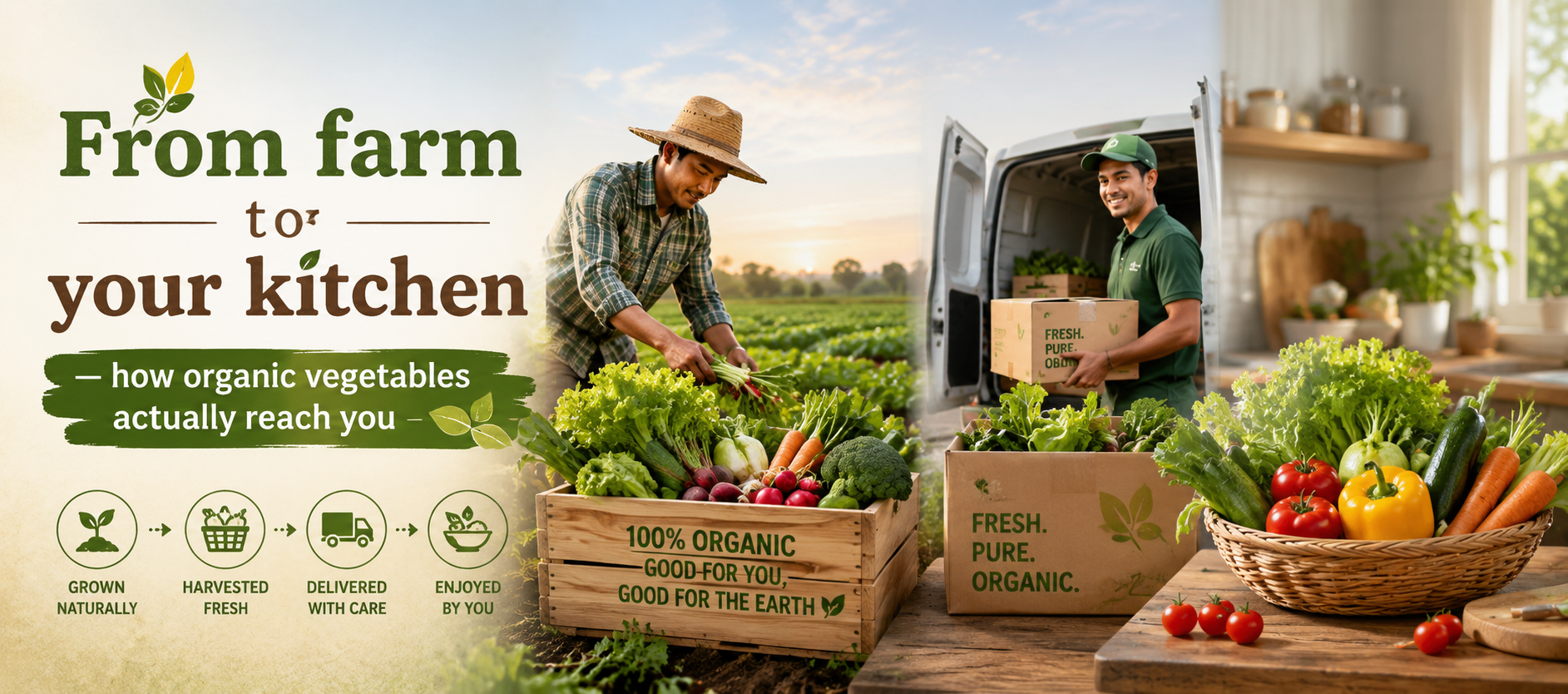
From farm to your kitchen — how organic vegetables actually reach you
Why the Journey of an Organic Vegetable Is Different
In conventional farming, a vegetable's path from field to fork is often straightforward: grow with chemical inputs, harvest, pack, ship, sell. But an organic vegetable travels a very different road — one that begins long before the first seed goes into the ground and ends only when it passes a final quality check before reaching your home.
The organic vegetable supply chain in India is built on three non-negotiable pillars: certified farming practices, traceability at every stage, and minimal chemical interference throughout post-harvest handling.
Each pillar exists not as a marketing promise but as a legally verifiable standard, monitored by certification bodies recognised by APEDA (Agricultural and Processed Food Products Export Development Authority) and FSSAI (Food Safety and Standards Authority of India).
₹8.6B+ India's organic food market size in 2024 (USD equivalent)
10.4% Projected CAGR of India's organic farming market (2025–2033)
37% Expected CAGR of India's organic industry through 2028 (industry estimates)
The Complete Organic Vegetable Supply Chain — Step by Step
Let us walk through each stage of the journey. Every step has a specific purpose, and skipping or compromising any one of them can break the integrity of the organic promise.
1. Soil Preparation and Farm Certification
An organic farm does not start growing organic produce on the first day of application. In India, a farm must undergo a mandatory conversion period of two to three years, during which no synthetic pesticides or chemical fertilizers are used.
During this phase, the soil is rehabilitated using compost, vermicompost, green manuring, and bio-fertilizers. Only after this period — and after passing inspection by an accredited certification body — does the farm receive the India Organic or NPOP certification.
This is why certified organic vegetables carry genuine credibility. The certification is not granted overnight; it represents years of disciplined, chemical-free farming practice.
2. Seed Selection and Chemical-Free Cultivation
Organic farming begins with the seed itself. Certified organic farmers are required to use non-GMO, untreated seeds wherever commercially available.
Pest control is managed through crop rotation, companion planting, neem-based bio-pesticides, and physical barriers — not synthetic chemicals. Irrigation water quality is also monitored to prevent contamination from adjoining non-organic land.
Vegetables like tomatoes, leafy greens, carrots, gourds, and beans grown under these conditions develop naturally, absorbing micronutrients from biologically rich, living soil — which is why many people notice a difference in taste and texture.
3. Harvest Timing and Post-Harvest Handling
Harvest timing is critical. Organic vegetables are typically picked at peak ripeness — not before, to avoid premature harvesting for extended shelf life, and not after, to prevent nutrient degradation.
Post-harvest handling is equally strict: no synthetic waxes, no ethylene gas ripening agents, and no chemical preservatives are permitted.
Cooling and washing are done with clean, tested water. Produce is sorted by hand in many small-batch operations to remove damaged or inconsistent pieces without the use of chemical sorting agents.
This careful approach is one reason why platforms delivering genuinely organic vegetables online often work with smaller farm batches rather than industrial-scale aggregators.
4. Third-Party Quality Testing and Certification Verification
Before a batch of organic produce enters any supply or distribution network, it undergoes residue testing at NABL-accredited laboratories. These tests check for pesticide residues, heavy metals, and microbial contamination.
Responsible organic platforms conduct this testing on every new batch from every new farm source — not as a one-time formality, but as an ongoing quality assurance protocol.
The full organic vegetable supply chain depends on this stage being non-negotiable. Without it, the word "organic" on a label remains an unverified claim.
5. Packaging — Clean, Minimal, and Traceable
Organic produce is packed in food-grade, BPA-free, or biodegradable materials. No artificial ripening gases are released inside packaging.
Labels must carry the certification body's name, the farm's registration number, and a batch identifier — making the product fully traceable back to the source farm if any question arises.
Many brands sourcing produce from Himachal Pradesh, Karnataka, Uttarakhand, and Sikkim — India's leading organic farming states — are now using QR-code-enabled packaging so consumers can verify farm origin directly from their phone.
6. Cold-Chain Logistics and Last-Mile Delivery
Fresh vegetables are perishable. Maintaining the cold chain — a temperature-controlled distribution process from the packing facility to the consumer's doorstep — is one of the biggest operational challenges in organic delivery in India.
Quality-driven platforms invest in insulated packaging, refrigerated transport, and narrow delivery windows specifically to ensure that produce reaches you at peak freshness.
At Rootz Organics, for example, vegetables sourced from certified farms are harvested and dispatched within 24 to 48 hours — significantly fresher than what typically sits on a supermarket shelf after days of storage and transit.
Key Takeaway
A genuinely organic vegetable passes through at least six distinct quality-controlled stages before it reaches your kitchen. Each stage has a regulatory or ethical requirement attached to it.
When you buy from a certified source, you are paying for all six — not just the farming.
What Makes India's Organic Farming Ecosystem Unique
India is one of the world's largest producers of organic produce and holds the distinction of being home to the most certified organic farmers globally. Sikkim became the world's first fully organic state in 2016, followed by growing organic clusters across Himachal Pradesh, Uttarakhand, Madhya Pradesh, and Maharashtra.
The Government of India has actively supported the sector through programmes like Paramparagat Krishi Vikas Yojana (PKVY) and Mission Organic Value Chain Development for North Eastern Region (MOVCDNER). These initiatives help farmer groups access certification support, training, and market linkages — reducing the barrier for small and marginal farmers to transition to organic practices.
The Role of Farmer Producer Organisations (FPOs)
One of the lesser-discussed but critically important elements of India's organic supply chain is the Farmer Producer Organisation (FPO) model. When individual farmers cluster together into an FPO, they gain collective bargaining power, shared access to certification costs, and better logistics.
This model has been transformative in states like Maharashtra and Andhra Pradesh, where women-led FPOs are producing verified organic vegetables that reach urban consumers directly.
Platforms that work directly with such FPOs or small certified farms — bypassing wholesale mandis and multiple intermediaries — can offer fresher produce at more transparent pricing. This is a key differentiator in the Indian organic market today.
India has over 4.43 million hectares under organic certification — the largest certified organic area in the world — with produce exported to more than 58 countries.
Yet domestic consumption of verified organic produce is still significantly underpenetrated, especially in Tier 2 and Tier 3 cities. The gap between production and domestic consumption represents a large, growing opportunity for conscious consumers.
How to Tell Real Organic Vegetables From Impostors
This is perhaps the most practical question every Indian consumer faces at a local sabzi mandi or online grocery platform. Here is what to look for:
- Certification Mark: Look for the India Organic logo (issued by APEDA-accredited bodies) or a PGS-India label for smaller farms. FSSAI's organic standards logo is also a valid indicator for domestic sale.
- Traceability Information: The product label or platform page should mention the farm name, state of origin, and certification body. Vague labels that only say "100% natural" without mentioning a certifying authority are a red flag.
- Imperfect Appearances Are Normal: Organically grown vegetables often have minor imperfections in size, shape, and colour. Uniformly perfect-looking produce is often a sign of chemical inputs or post-harvest treatments.
- Seasonal Availability: Authentic organic farms follow seasonal cycles. If a platform offers the same exotic vegetables year-round at the same price, it is worth questioning the source.
- Residue Test Reports: Transparent platforms share pesticide residue test certificates for their produce batches. Always ask for these if in doubt.
Beyond Vegetables — Building a Truly Organic Kitchen
Once you begin understanding where your vegetables come from and how they are grown, it is natural to extend that awareness to other ingredients in your kitchen. The good news is that certified organic options are now widely available across multiple food categories in India.
The Case for Chemical-Free Flours
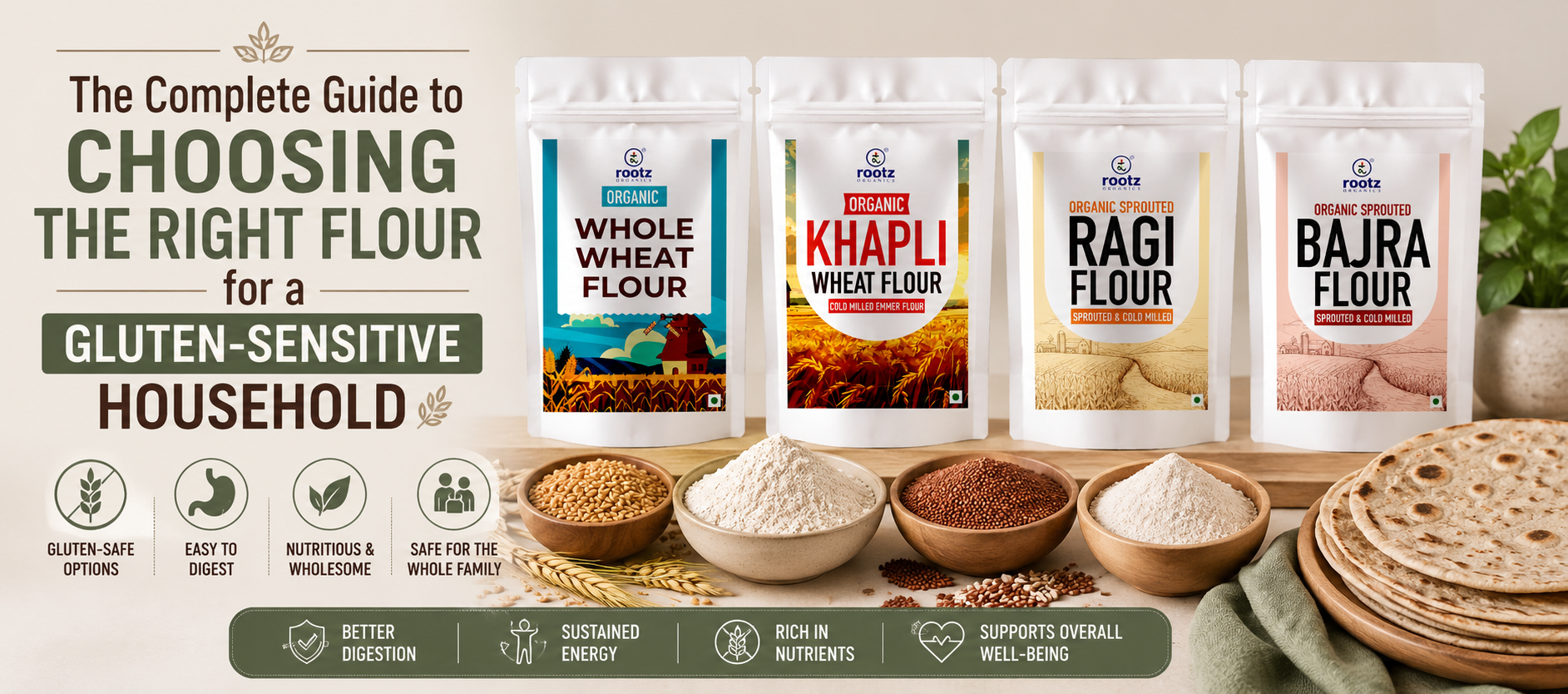
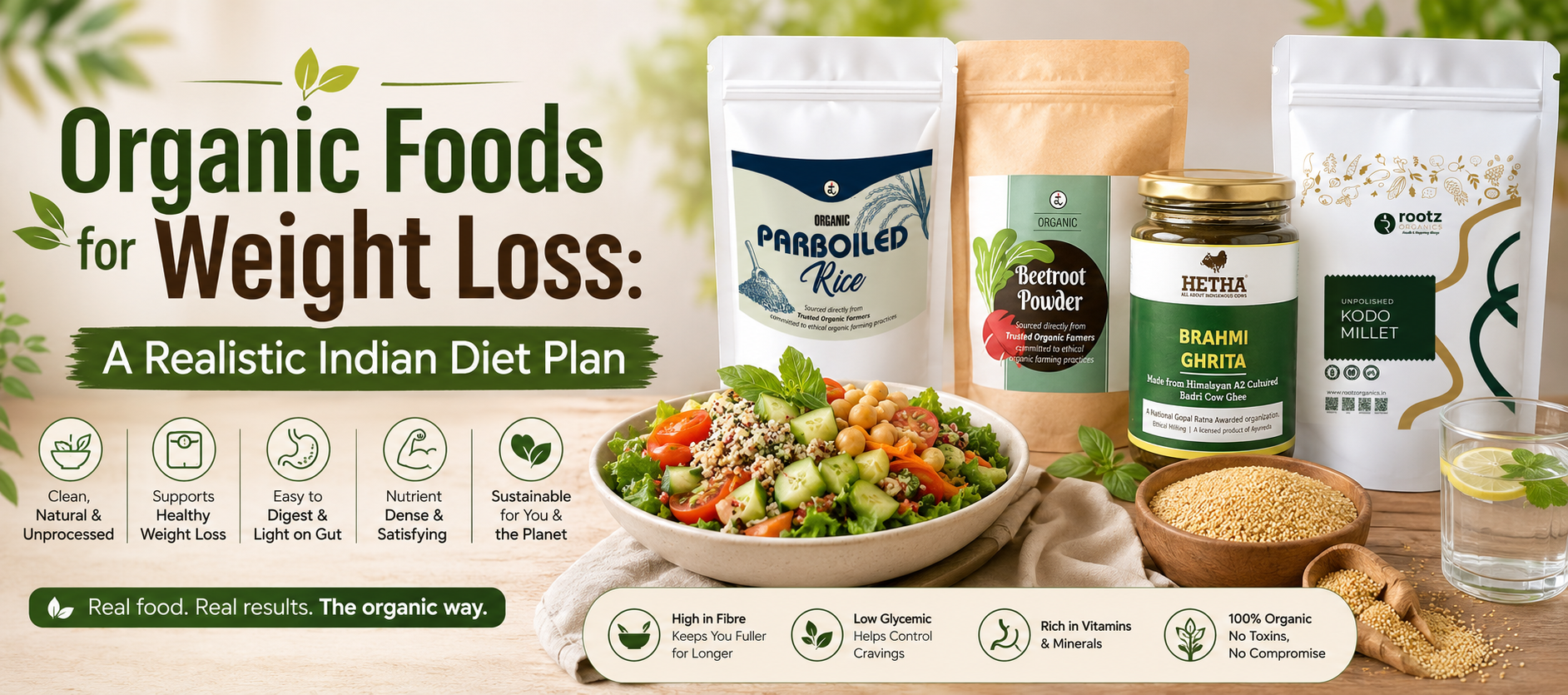
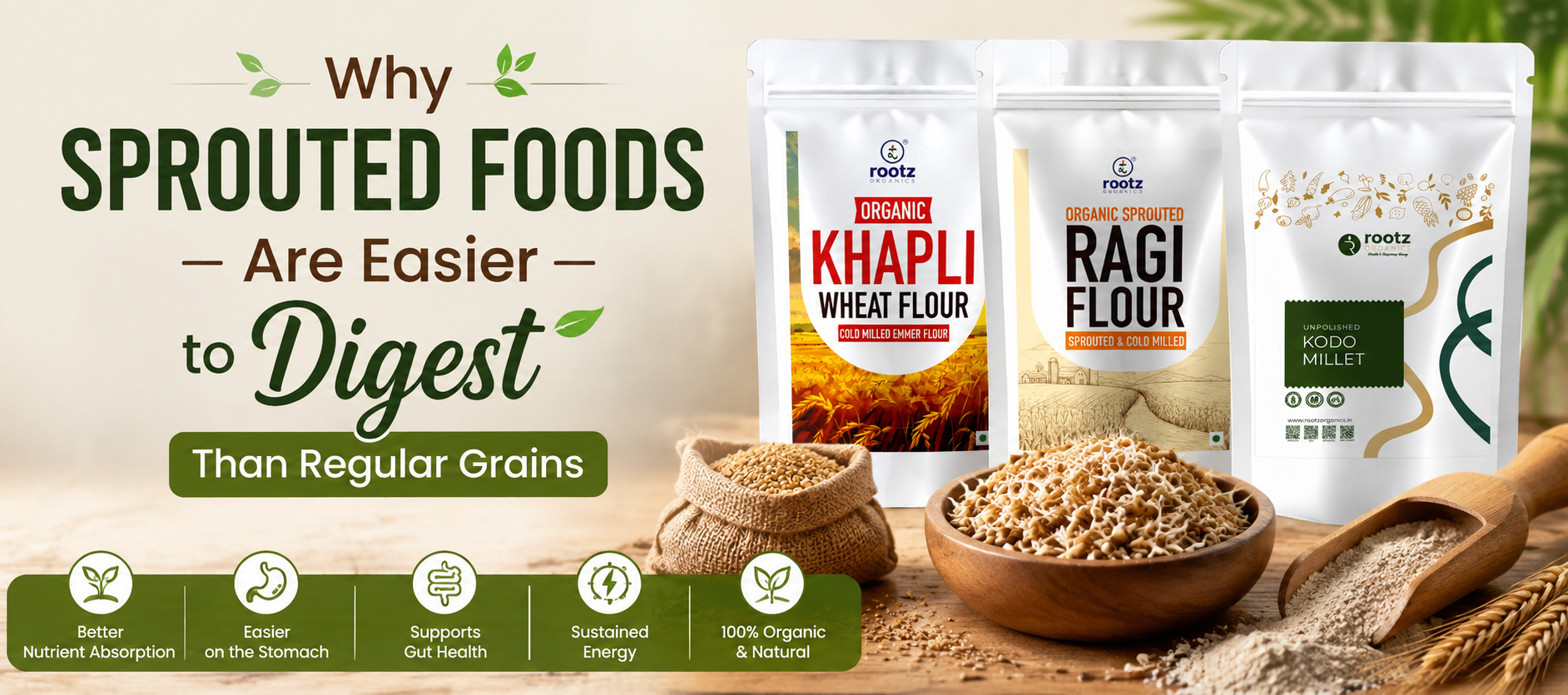
Most conventional wheat flours in India are milled from grains treated with synthetic fungicides during storage. Switching to organic flours online — including stone-ground whole wheat, ragi, bajra, and jowar varieties — ensures that the base of your rotis, pancakes, and baked goods is free from residual chemicals.
Stone-grinding also preserves the bran and germ, retaining fibre and natural nutrients lost during roller milling.
Gluten-Free Alternatives for Sensitive Individuals
For families managing gluten sensitivity, wheat intolerance, or Coeliac disease, the shift to gluten free flours made from certified organic millets, buckwheat, or amaranth is both a health necessity and a nutritional upgrade.
These ancient grains are naturally gluten-free, rich in plant protein, and packed with micronutrients that many modern diets are deficient in.
Ghee — When Traditional Wisdom Meets Purity
No Indian kitchen is truly complete without ghee. But the quality of ghee varies enormously depending on how the source milk was produced. Organic A2 Ghee, made from the milk of native Indian desi cow breeds using the traditional bilona (hand-churning) method, is gaining recognition not just for its superior flavour but also for its nutritional profile.
It contains A2 beta-casein protein, which is easier for most people to digest than the A1 protein found in milk from crossbred cattle.
The Convenience of a One-Stop Organic Platform
Sourcing every item — vegetables, flours, grains, dairy, and snacks — from individual certified farms or multiple marketplaces is impractical for a busy Indian household.
This is exactly why curated organic food products online platforms that maintain certification transparency across all their product categories have become invaluable for health-conscious families.
The ability to order organic food online and have it delivered to your door in Delhi NCR — or access a wide product range if you live in a city where local organic markets are scarce — removes the single biggest barrier to organic living: inconvenience.
At Rootz Organics, every product listed on the platform — from vegetables and grains to ghee and gluten-free flours — is sourced from certified farms and producer groups, personally vetted by the founding team, and batch-tested before being made available to customers.
The platform's founders visit sourcing partners regularly and send samples from every new batch to accredited labs before listing.
The Environmental Footprint You Choose With Every Purchase
Choosing organic is not just a personal health decision — it carries a measurable ecological impact. Organic farming prohibits synthetic pesticides, which means less chemical runoff into rivers and groundwater.
It promotes soil biodiversity through composting and crop rotation, locking more carbon in the ground. And it supports farmer livelihoods through premium pricing that rewards sustainable practices rather than volume-driven chemical farming.
In India, where agriculture employs roughly 42% of the workforce and where soil degradation from chemical farming has become a documented crisis in several states, every consumer who shifts to certified organic produce helps tilt the economic incentive toward healthier land management.
The scale of your individual choice matters more than it might seem. When organic demand rises steadily, it creates viable livelihoods for organic farmers, attracts institutional support, and makes certification more accessible for smallholder farmers who are currently unable to bear its cost alone.
Practical Tips for Buying Organic Vegetables Smartly in India
- Shop Seasonally: Organic vegetables that are in season are fresher, more nutritious, more affordable, and more readily available from certified farms. Learn India's vegetable seasons — leafy greens and root vegetables thrive in winter; gourds, tomatoes, and cucumbers peak in summer and monsoon.
- Choose Direct-from-Farm Platforms: Platforms that work directly with certified farms — eliminating multiple layers of middlemen — offer better traceability and often fresher produce. Ask any platform you use how many intermediaries exist between the farm and your doorstep.
- Order Weekly Bundles: Many organic platforms offer curated weekly vegetable baskets that are assembled based on what is freshest and most available from their farm network. These baskets reduce decision fatigue, ensure variety, and often come at better pricing than individual item orders.
- Check for Certification, Not Just the Label: As discussed above, the word "organic" without a certification number is not sufficient. Spend an extra 30 seconds checking the platform's sourcing information before placing an order.
- Store Correctly to Retain Freshness: Organic vegetables, being free from artificial preservatives, may have a shorter shelf life than chemically treated conventional produce. Store leafy greens in damp cotton wraps in the refrigerator, root vegetables in cool dark corners, and tomatoes at room temperature — never in the fridge.
Proper storage is the final step in preserving everything the organic supply chain worked so hard to protect.
The Bottom Line — Your Kitchen Is the Last Stop in a Long, Careful Journey
Every bunch of organically certified spinach, every chemical-free carrot, every seasonal gourd that arrives at your door is the result of a multi-stage, multi-stakeholder process rooted in ecological care, regulatory discipline, and a commitment to human health.
The organic vegetable supply chain is complex by design — because shortcuts at any point would compromise everything that makes organic produce genuinely different.
As a consumer in India today, you have more access to verified organic produce than at any previous point in history. The market is growing, platforms are becoming more transparent, and the farmer ecosystem is expanding.
All it takes from your end is an informed, consistent choice — and the willingness to ask the right questions before you order.
At Rootz Organics, we believe that the journey from farm to your kitchen should be one you can trace, trust, and feel good about — every single time.
Frequently Asked Questions
Q1. How do I know if my organic vegetables are genuinely certified in India?
In India, genuinely organic produce carries certifications from APEDA-accredited bodies under the National Programme for Organic Production (NPOP) or Participatory Guarantee Systems (PGS-India). Look for the India Organic logo or FSSAI Organic mark on packaging. Trusted platforms like Rootz Organics display certification details transparently for every product, and many share lab residue test reports on request.
Q2. Why do organic vegetables cost more than regular vegetables?
Organic farming avoids synthetic inputs, which means more manual labour, longer growing cycles, lower yield per acre, and higher certification costs compared to conventional farming. Cold-chain logistics and small-batch handling add further to the price. However, you are paying for produce that is free from harmful chemical residues — an investment in long-term health rather than a luxury purchase.
Q3. How fresh are organic vegetables when delivered at home in India?
Reputable organic suppliers harvest vegetables within 24 to 48 hours before delivery. Direct farm-to-door platforms like Rootz Organics work with short, efficient supply chains. This means vegetables spend far less time in transit than supermarket produce that may sit in distribution warehouses for several days before reaching a store shelf.
Q4. Is it safe to order organic vegetables online in India?
Yes, ordering organic vegetables online is safe when you choose a certified and transparent platform. Ensure the seller provides farm sourcing details, certification numbers, and packaging information. Reliable platforms conduct quality checks at multiple stages — from the farm to the packing unit — before dispatch. Always verify the certification mark, not just the "organic" label.
Q5. What is the difference between organic and natural vegetables?
The term "natural" has no standardised definition in India's food regulatory
framework and is frequently used as a loosely applied marketing descriptor. "Organic," in contrast, refers to produce grown under a certified, legally defined
framework that prohibits synthetic pesticides, chemical fertilizers, and GMOs. Always look for a verifiable certification mark — not just the word "natural" —
when purchasing produce intended to be free from chemical inputs.
-
 August 6th, 2026
 -
 August 6th, 2026