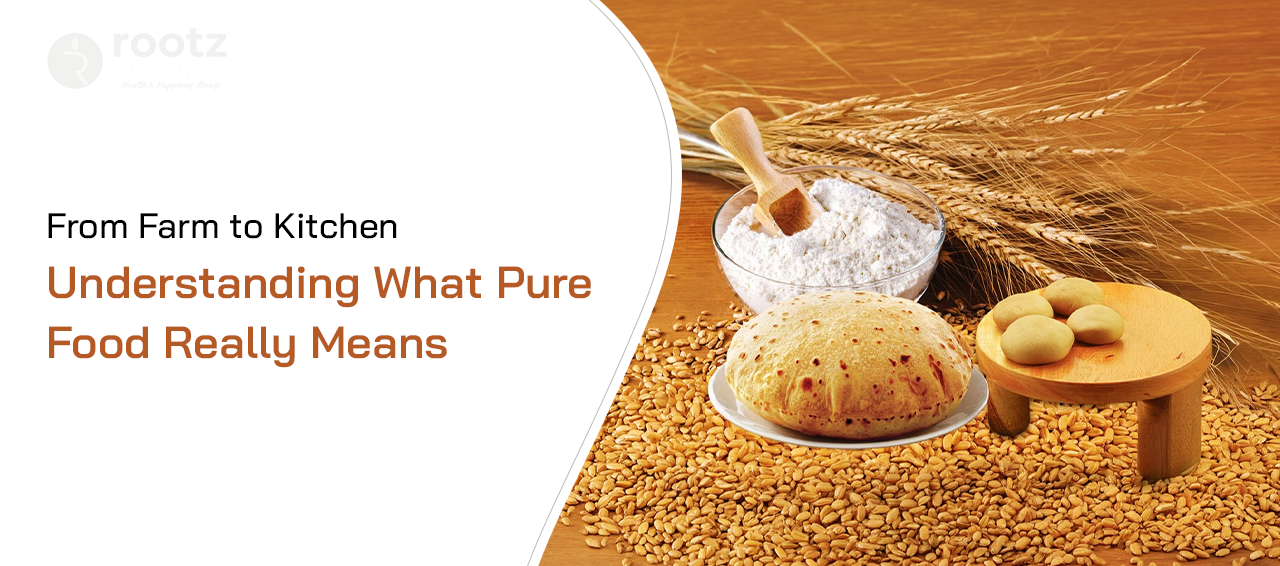
From Farm to Kitchen: Understanding What Pure Food Really Means
In a world dominated by fast food, packaged meals, and highly processed ingredients, the idea of Pure Food is becoming increasingly important for health-conscious individuals and families. For many Indian households, food is no longer just about taste or tradition—it is about safety, nutrition, transparency, and long-term well-being. But what does “pure food” truly mean in today’s modern food ecosystem?
Pure food is not just a label. It represents a complete journey—from ethical farming practices and clean sourcing to safe processing, honest packaging, and mindful consumption. Understanding this journey helps consumers make better choices for their health, their families, and the environment. This blog explores the true meaning of pure food, its farm-to-kitchen journey, and why it is essential for sustainable living in India.
What Pure Food Really Means in Modern India
At its core, pure food refers to food that is:
- Free from harmful chemicals and toxins
- Minimally processed
- Naturally grown or sourced
- Nutrient-rich
- Clean-label and transparent
- Ethically produced
True purity is not just about organic certification—it is about integrity across the entire supply chain. From soil quality to storage practices, every step matters. Pure Food supports the body’s natural functions, strengthens immunity, and reduces the long-term risk of lifestyle diseases.
In India, where food is deeply connected to Ayurveda and traditional wellness systems, purity has always been central to healthy living. Today, this ancient wisdom is being rediscovered through clean nutrition practices.
The Farm Stage: Where Purity Begins
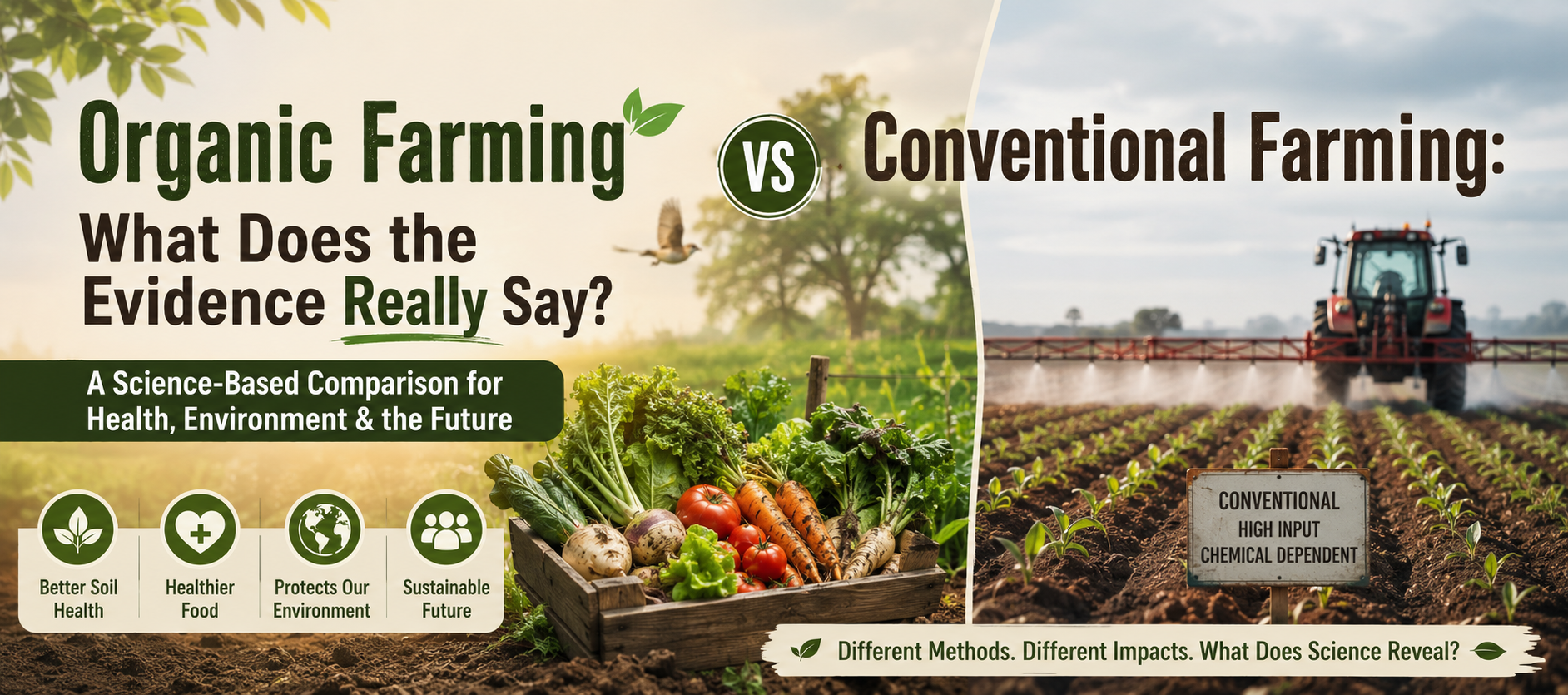
Pure food starts at the soil level. Healthy soil produces nutrient-dense crops. Farmers who follow natural and sustainable farming practices avoid chemical pesticides, artificial fertilizers, and genetically modified seeds.
This stage ensures:
- Better mineral content in food
- Higher antioxidant levels
- Improved natural immunity support
- Safer consumption for children and elders
- Environmental sustainability
Food grown in healthy soil naturally supports long-term wellness and ecological balance.
Ethical Sourcing and Transparent Supply Chains
One of the biggest challenges in modern food systems is traceability. Consumers often do not know where their food comes from or how it is produced. Ethical sourcing ensures:
- Fair farming practices
- Responsible harvesting
- Clean transportation
- Proper storage conditions
- No harmful preservatives
Transparency builds trust and ensures that the food reaching your kitchen truly supports health and sustainability.
Organic Food Online: Clean Nutrition in the Digital Age
Access to Organic Food Online has transformed the way Indian consumers approach healthy living. Digital platforms make it easier to choose products that are free from harmful chemicals and synthetic additives.
This shift supports:
- Safer daily consumption
- Better nutritional quality
- Reduced toxic load on the body
- Long-term immunity building
- Conscious consumer habits
Online access allows families to make informed food decisions without compromising on convenience.
Organic Vegetables Online: Freshness That Protects Health
Fresh produce plays a crucial role in building immunity and preventing disease. Organic Vegetables Online offer a safer alternative to chemically grown produce that often contains pesticide residues.
Long-term benefits include:
- Better gut health
- Stronger immunity
- Improved digestion
- Higher vitamin absorption
- Safer nutrition for children
Freshness and purity together create a powerful foundation for daily wellness.
Organic Flours Online: Restoring Nutritional Integrity
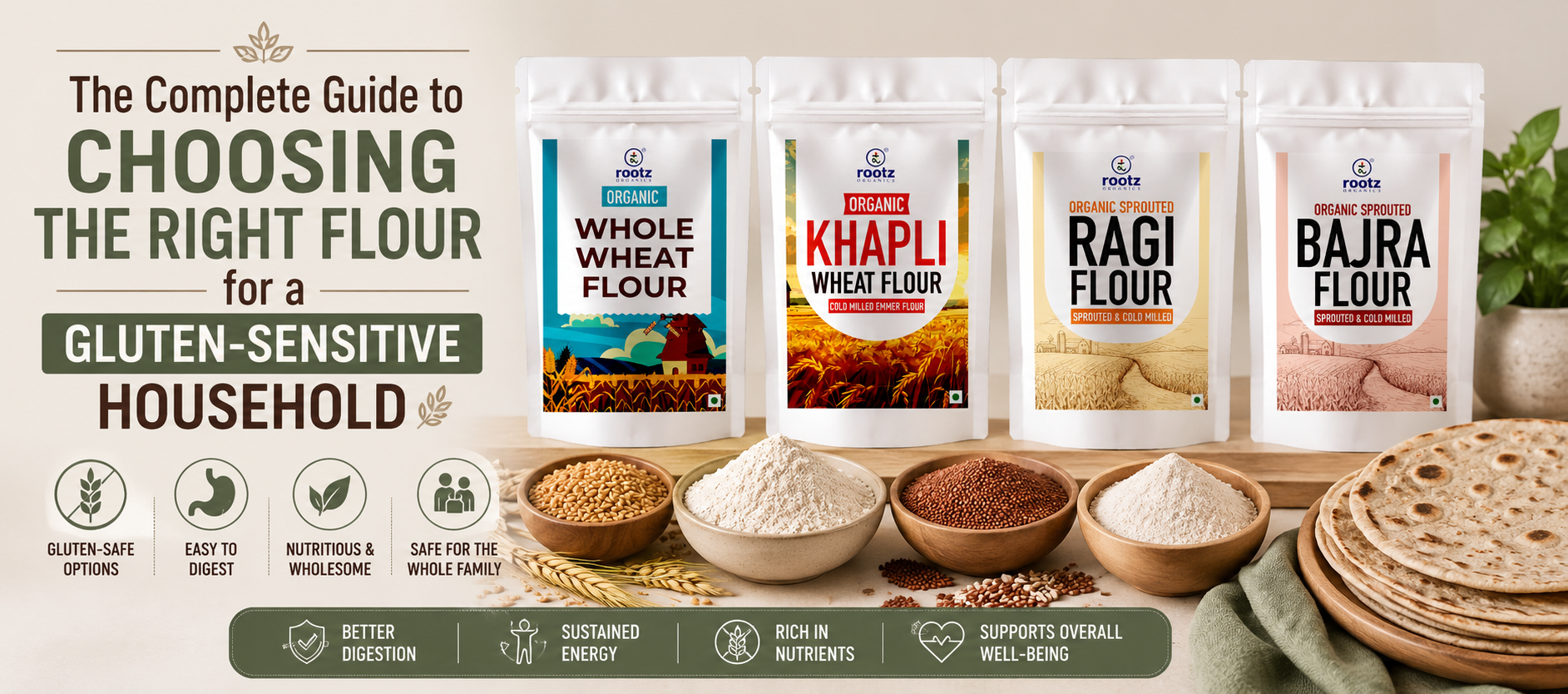
Modern refined flours lack fiber and essential nutrients due to heavy processing. Organic Flours Online provide naturally milled alternatives that retain their nutritional value.
These flours support:
- Digestive health
- Stable blood sugar levels
- Better metabolism
- Long-lasting energy
- Reduced inflammation
They form the backbone of clean daily nutrition for Indian households.
Cold Pressed Oils: Preserving Nature’s Goodness
Cooking oils play a major role in long-term health. Cold Pressed Oils are extracted using traditional methods that preserve natural nutrients, antioxidants, and essential fatty acids.
Health advantages include:
- Heart protection
- Hormonal balance
- Better cholesterol management
- Anti-inflammatory benefits
- Stronger immunity
These oils support the body naturally without chemical processing.
Organic A2 Ghee: Traditional Nutrition for Modern Lifestyles
In Indian culture, ghee has always been a symbol of nourishment and healing. Organic A2 Ghee made from indigenous cow milk supports digestion, immunity, and overall vitality.
Its long-term benefits include:
- Better gut health
- Improved nutrient absorption
- Stronger immunity
- Joint health support
- Brain nourishment
This makes it a powerful functional food for daily wellness.
Processing, Packaging, and Storage: Protecting Food Purity
Pure food can lose its value if processing and storage are not handled properly. Clean processing involves:
- Minimal heat exposure
- No chemical preservatives
- Hygienic environments
- Small-batch production
- Clean-label packaging
Proper storage ensures that nutrients remain intact until consumption. Purity must be protected beyond the farm.
The Kitchen Stage: Where Purity Becomes Wellness
The final step of the journey is the kitchen. How food is cooked, combined, and consumed determines its impact on the body. Pure food supports:
- Better digestion
- Stronger immunity
- Mental clarity
- Emotional balance
- Long-term disease prevention
Daily eating habits shape future health outcomes more than occasional dieting.
Why Pure Food Is a Long-Term Investment in Health
Choosing pure food is not a trend—it is a lifestyle commitment. It supports:
- Sustainable living
- Preventive healthcare
- Family wellness
- Environmental responsibility
- Long-term financial savings on medical costs
Pure Food is not about luxury; it is about conscious living and responsible choices.
Final Thoughts: From Farm to Kitchen, Purity Builds the Future
Understanding the journey of food—from farm to kitchen—helps consumers make empowered decisions. Pure food is not just about what we eat, but how it is grown, processed, transported, and consumed.
For Indian families, adopting pure food habits means investing in:
- Better immunity
- Stronger bodies
- Healthier children
- Disease prevention
- Sustainable lifestyles
True wellness begins with awareness. When purity becomes a daily habit, health becomes a natural outcome. From soil to soul, food has the power to heal, protect, and transform lives. Choose wisely. Eat mindfully. Build a future powered by purity.
Frequently Asked Questions (FAQs)
What is pure food and why is it important for Indian families?
Pure food refers to food that is free from synthetic pesticides, artificial additives, preservatives, and harmful chemicals. For Indian families, pure food supports stronger immunity, better digestion, improved child development, and long-term disease prevention.
What is the difference between pure food and organic food in India?
Organic food is grown without synthetic pesticides and chemical fertilizers under certified standards. Pure food is a broader concept—it includes organic farming but also focuses on minimal processing, no artificial preservatives, and clean ingredient sourcing.
How can I identify chemical-free food products in India?
To identify chemical-free food:
- Check for organic certifications (India Organic, Jaivik Bharat logo)
- Read ingredient labels carefully
- Avoid artificial colors, flavor enhancers, and preservatives
- Choose minimally processed, whole food options
Does eating pure food improve immunity?
Yes. Whole grains, cold-pressed oils, unrefined foods, and chemical-free produce help maintain gut health, which plays a major role in immune strength. A balanced, natural diet supports the body’s natural defense system.
Is organic food really healthier than regular food?
Organic food avoids synthetic pesticides and chemical fertilizers, reducing long-term chemical exposure. While nutritional differences may vary, lower toxin exposure and cleaner farming practices contribute to better overall health.
Why is organic or pure food more expensive in India?
Organic farming involves smaller yields, manual labor, certification costs, and chemical-free cultivation practices. Though the price may be higher, many families view it as an investment in preventive healthcare.
Which foods should I switch to organic first in India?
If you are transitioning gradually, prioritize:
- Fruits and vegetables
- Grains and flours
- Milk and dairy
- Baby food
- Cooking oils
These items are consumed daily and contribute most to chemical exposure.
Is pure food better for children’s growth and development?
Yes. Reducing exposure to artificial additives, pesticides, and processed sugars supports better digestion, focus, immunity, and overall development in children.
Can chemical-free eating help prevent lifestyle diseases?
While no diet guarantees disease prevention, reducing processed foods and synthetic additives may lower the risk of lifestyle-related issues like obesity, diabetes, gut disorders, and inflammation.
How can Indian families start adopting pure food habits?
Start small:
- Read labels before buying
- Choose seasonal and locally grown produce
- Replace refined oils with cold-pressed oils
- Switch to whole grains and millets
- Reduce packaged and ultra-processed foods
- Consistency matters more than perfection.
-
 August 6th, 2026
 -
 August 6th, 2026