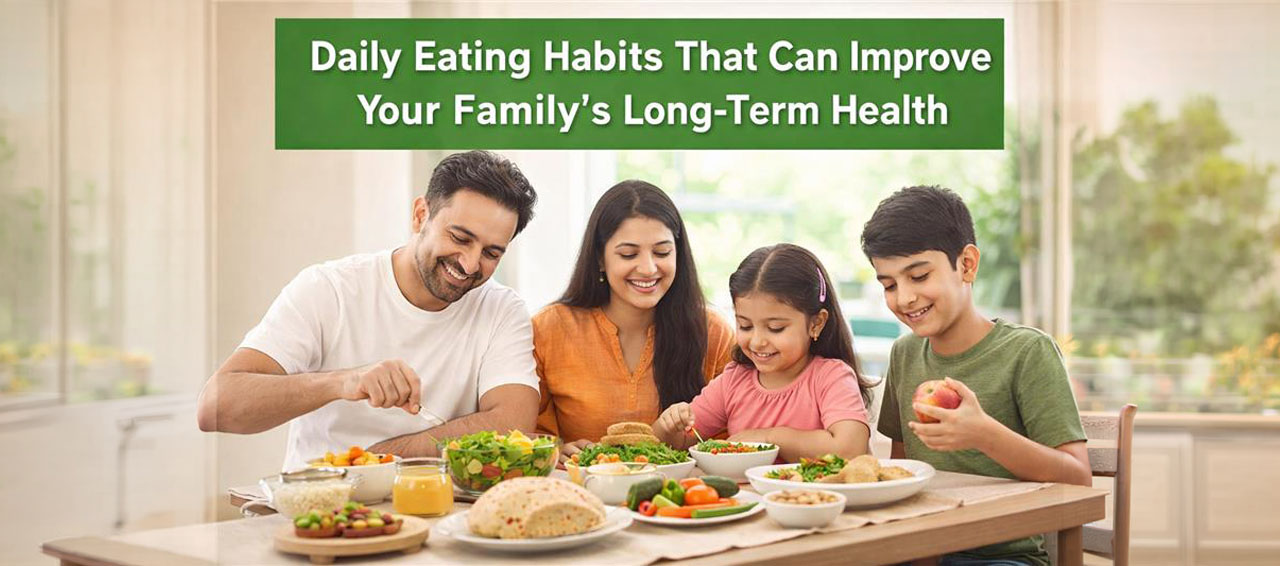
Daily Eating Habits That Can Improve Your Family’s Long-Term Health
In today’s fast-paced lifestyle, what we eat daily plays a far more important role than occasional healthy choices. The foundation of long-term wellness lies in consistent, mindful decisions made in the kitchen every single day. For Indian families balancing work, school, and health concerns, building the right Daily Eating Habits is not just a trend—it is a necessity.
From traditional Indian wisdom rooted in Ayurveda to modern nutritional science, the focus remains the same: eat clean, eat fresh, and eat mindfully. This guide will help you understand how small, sustainable changes in your everyday diet can significantly improve your family’s long-term health.
Why Daily Eating Habits Matter for Long-Term Health
Healthy living is not about short-term diets or extreme restrictions. It is about consistency. The food choices you make every day directly impact:
- Immunity levels
- Digestive health
- Energy and productivity
- Weight management
- Chronic disease prevention
When families adopt better Daily Eating Habits, they create a strong foundation for lifelong wellness. Especially in India, where food is deeply connected to culture and tradition, aligning modern eating patterns with traditional practices can deliver powerful results.
Start Your Day with a Nourishing Breakfast
Breakfast is often called the most important meal of the day—and for good reason. After an overnight fast, your body needs energy and nutrients to function efficiently.
What to Include in a Healthy Indian Breakfast
- Whole grains like millets or traditional flours
- Protein sources like sprouts or lentils
- Healthy fats in moderation
- Seasonal fruits
Switching to Organic Flours Online options for making rotis, cheelas, or pancakes ensures that your meals are free from harmful chemicals and preservatives. Clean, unprocessed ingredients provide better nutrition and support digestion. A balanced breakfast helps regulate blood sugar levels and reduces unhealthy cravings throughout the day.
Choose Clean and Natural Ingredients
One of the most impactful changes you can make is shifting towards clean-label foods. Many packaged products contain hidden additives, refined sugars, and preservatives that can harm long-term health.
Benefits of Clean Eating
- Reduces toxin load in the body
- Supports better digestion
- Improves nutrient absorption
- Enhances overall energy levels
Opting for Organic Food Online allows you to access safe, chemical-free ingredients conveniently. This is especially important for families who want transparency in sourcing and better control over what they consume.
Incorporate Traditional Grains and Millets
Indian kitchens have always included nutrient-rich grains like jowar, bajra, and ragi. However, modern diets often rely heavily on refined wheat and rice.
Why Millets Are Essential
- High in fiber
- Rich in essential minerals
- Naturally gluten-free
- Support gut health
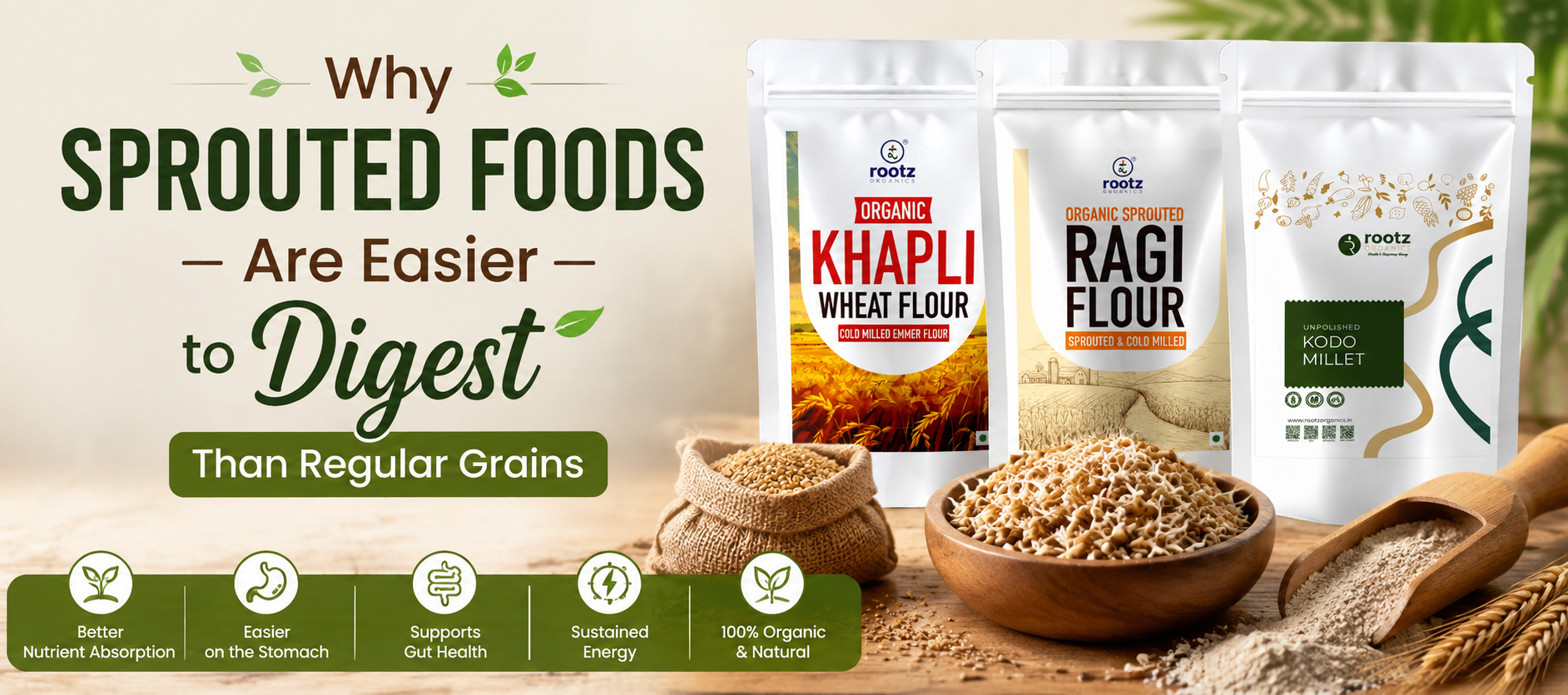
Including Unpolished Millets in your daily meals helps retain the natural bran layer, which is packed with nutrients. Unlike polished grains, they provide sustained energy and improve digestion. Simple swaps like millet khichdi, roti, or dosa can make your meals healthier without compromising on taste.
Use Healthy Fats in the Right Way
Fats are essential for the body, but the type and quality of fat matter significantly.
Healthy Fat Choices for Indian Families
- Traditional ghee
- Cold-pressed oils
- Nuts and seeds
Including Organic A2 Ghee in your diet can be beneficial when consumed in moderation. It supports digestion, improves nutrient absorption, and aligns with Ayurvedic principles of balanced eating. Avoid refined oils and overly processed fats, as they can lead to inflammation and long-term health issues.
Include Gluten-Free Options Where Needed
With rising awareness about food sensitivities, many families are exploring alternatives to conventional wheat-based diets.
Benefits of Gluten-Free Alternatives
- Easier digestion for sensitive individuals
- Reduces bloating and discomfort
- Supports better gut health
Using Gluten Free Flours such as jowar, ragi, or buckwheat can diversify your diet and improve nutritional intake. Even if you do not have gluten intolerance, rotating grains can benefit overall health.
Maintain Balanced Meal Portions
Portion control is often overlooked but plays a crucial role in maintaining health.
Ideal Plate Composition
- 50% vegetables
- 25% whole grains
- 25% protein sources
Balanced meals prevent overeating and ensure that your body receives a variety of nutrients. This approach is particularly helpful for families managing weight and lifestyle-related conditions.
Stay Hydrated Throughout the Day
Water is essential for digestion, detoxification, and overall body function.
Hydration Tips
- Start your day with warm water
- Include herbal drinks or infused water
- Limit sugary beverages
Proper hydration supports metabolism and helps maintain energy levels throughout the day.
Plan Meals in Advance
Meal planning is one of the most effective ways to maintain consistent Daily Eating Habits.
Benefits of Meal Planning
- Saves time and effort
- Reduces dependency on processed foods
- Ensures balanced nutrition
- Helps in budgeting
For working professionals and busy families, planning weekly meals using ingredients sourced from an Organic Food Online platform ensures convenience without compromising quality.
Avoid Highly Processed Foods
Packaged snacks and ready-to-eat meals are convenient but often contain unhealthy additives.
Why You Should Limit Processed Foods
- High in unhealthy fats and sugars
- Low in nutritional value
- Can lead to long-term health issues
Instead, opt for freshly prepared snacks made from natural ingredients. Homemade options using Organic Flours Online are a healthier alternative for both children and adults.
Encourage Mindful Eating
Mindful eating is about being present while eating and paying attention to hunger and fullness cues.
Simple Mindful Eating Practices
- Avoid screens while eating
- Chew food slowly
- Listen to your body’s signals
These practices improve digestion and prevent overeating, contributing to better overall health.
Support Immunity with Nutrient-Rich Foods
In today’s environment, building strong immunity is essential.
Immunity-Boosting Foods
- Seasonal fruits and vegetables
- Nuts and seeds
- Traditional herbs and spices
- Whole grains and millets
Including Unpolished Millets and natural ingredients in your meals can enhance your body’s defense system and promote long-term wellness.
Build Healthy Eating Habits for Children
Children develop their food preferences early in life, making it important to introduce healthy options from the beginning.
Tips for Parents
- Offer a variety of natural foods
- Avoid processed snacks
- Encourage home-cooked meals
- Make meals visually appealing
Using clean, safe ingredients from trusted sources helps ensure that children receive proper nutrition for growth and development.
Balance Tradition with Modern Convenience
Modern lifestyles often demand quick solutions, but this does not mean compromising on health.
Smart Approach to Modern Eating
- Combine traditional recipes with modern techniques
- Use high-quality ingredients
- Choose convenient yet clean options
Platforms offering Organic Food Online make it easier to maintain healthy eating habits without spending excessive time on sourcing ingredients.
Create a Sustainable and Healthy Lifestyle
Healthy eating is not just about individual meals—it is about creating a sustainable lifestyle.
Long-Term Benefits of Healthy Eating
- Improved quality of life
- Reduced medical expenses
- Better mental well-being
- Increased longevity
By adopting better Daily Eating Habits, families can create a healthier environment that supports both physical and emotional well-being.
Conclusion
Improving your family’s health does not require drastic changes. It starts with small, consistent steps taken every day. From choosing clean ingredients and incorporating traditional grains to practicing mindful eating and planning meals, each decision contributes to long-term wellness. In the Indian context, where food is deeply rooted in culture and tradition, combining age-old wisdom with modern awareness can create a powerful impact. By focusing on quality, freshness, and balance, you can build a lifestyle that supports health for years to come. Adopting better Daily Eating Habits today is an investment in your family’s future—one that brings lasting benefits and a better quality of life.
Frequently Asked Questions
What are daily eating habits and why are they important for long-term health?
Daily eating habits refer to the regular food choices and patterns you follow every day. Maintaining healthy habits helps improve digestion, boost immunity, manage weight, and reduce the risk of chronic diseases over time.
How can I improve my family’s daily eating habits in India?
You can improve your family’s daily eating habits by including fresh, seasonal foods, using organic ingredients, adding traditional grains like millets, reducing processed foods, and maintaining balanced meals with proper portion control.
Are organic foods better for daily consumption?
Yes, organic foods are free from harmful chemicals, pesticides, and preservatives, making them a safer and healthier option for daily consumption. They also support better nutrition and long-term wellness.
What are the best alternatives to wheat for a healthier diet?
Healthier alternatives to wheat include millets like jowar, bajra, and ragi, as well as other gluten-free flours. These options are rich in fiber, minerals, and are easier to digest for many people.
How can busy working professionals maintain healthy eating habits?
Working professionals can maintain healthy eating habits by planning meals in advance, choosing clean and convenient food options, avoiding processed snacks, and sourcing quality ingredients from reliable online organic grocery platforms.
-
 August 6th, 2026
 -
 August 6th, 2026