Common Mistakes People Make While Buying Groceries Online
The way Indians shop for daily essentials has changed rapidly in recent years. With busy schedules, rising health awareness, and increased internet accessibility, more households are turning to digital platforms for their everyday needs. From fresh produce to specialty health foods, the convenience of home delivery has made online grocery shopping a preferred choice for urban and semi-urban families alike. However, while the benefits are undeniable, many consumers unknowingly make mistakes that impact their budget, health, and overall shopping experience. Understanding these common pitfalls can help buyers make smarter decisions, ensure better product quality, and maximize the value of their purchases. This comprehensive guide explores the most frequent errors people make while Buying Groceries Online, along with practical tips to avoid them. Whether you are a first-time shopper or a regular user of online grocery platforms in India, this article will help you shop more confidently, safely, and efficiently.
Why Online Grocery Shopping Is Growing Rapidly in India
India's grocery market is undergoing a major transformation. Increasing health consciousness, digital payment adoption, and the demand for convenience have driven millions of consumers toward online platforms. Families today prefer reliable, hygienic, and time-saving solutions that allow them to manage household needs without visiting crowded stores. Another key factor is the growing interest in clean-label foods, natural ingredients, and specialty diets such as gluten-free, vegan, and millet-based nutrition. As consumers become more informed about food quality and nutrition, they are actively seeking trustworthy sources that offer transparency and authenticity. Despite these positive trends, online grocery shopping requires careful decision-making. A small oversight can lead to poor-quality products, wasted money, or health risks. Recognizing these mistakes early can significantly improve your shopping experience.
1. Not Checking Product Ingredients and Labels Carefully
One of the most common mistakes consumers make is ignoring ingredient lists and nutritional labels. Many buyers assume that products labeled as "healthy" or "natural" are automatically safe and beneficial. Unfortunately, this is not always true. Some packaged foods may contain hidden additives, preservatives, artificial flavors, or excess sugar and sodium. These ingredients can negatively impact long-term health, especially for children, elderly individuals, and people with dietary restrictions.
How to Avoid This Mistake
- Always read ingredient lists before adding items to your cart
- Look for clean-label products with minimal processing
- Check manufacturing and expiry dates carefully
- Choose products with transparent sourcing information
Consumers who prioritize transparency and authenticity are more likely to make healthier and safer choices for their families.
2. Ignoring Product Reviews and Customer Feedback
Customer reviews provide valuable insights into product quality, taste, packaging, and delivery reliability. Skipping this step can result in purchasing items that do not meet expectations. Reviews often highlight real-life experiences, including freshness, shelf life, and overall satisfaction. They can also reveal recurring issues such as damaged packaging or inconsistent quality.
Smart Shopping Tip
Look for products with consistent positive feedback and verified customer ratings. Pay attention to detailed reviews rather than just star ratings.
3. Choosing Price Over Quality
While discounts and offers are attractive, selecting products solely based on price can compromise quality and safety. Low-cost items may use inferior ingredients or lack proper quality control. In the long run, investing in high-quality food products often leads to better health outcomes and reduced medical expenses.
What Smart Buyers Do
- Compare value rather than just price
- Consider product quality and sourcing standards
- Choose trusted brands with reliable manufacturing practices
4. Ordering Without Planning Weekly or Monthly Needs
Impulse buying is another common issue in online grocery shopping. Without proper planning, customers may purchase unnecessary items or forget essential ones. This not only increases expenses but also leads to food wastage, which is both financially and environmentally harmful.
Best Practice for Efficient Shopping
- Create a weekly or monthly grocery list
- Check pantry inventory before placing an order
- Prioritize essential household items
- Set a budget to control spending
5. Not Verifying Delivery Timelines and Storage Conditions
Timely delivery is crucial, especially for perishable items such as fruits, vegetables, dairy products, and bakery goods. Delayed deliveries can compromise freshness and nutritional value. Additionally, improper storage during transportation may lead to spoilage or contamination.
How to Stay Safe
- Choose platforms with reliable delivery systems
- Check estimated delivery time before placing an order
- Inspect products immediately upon arrival
- Store items according to recommended guidelines
6. Overlooking Dietary Requirements and Health Conditions
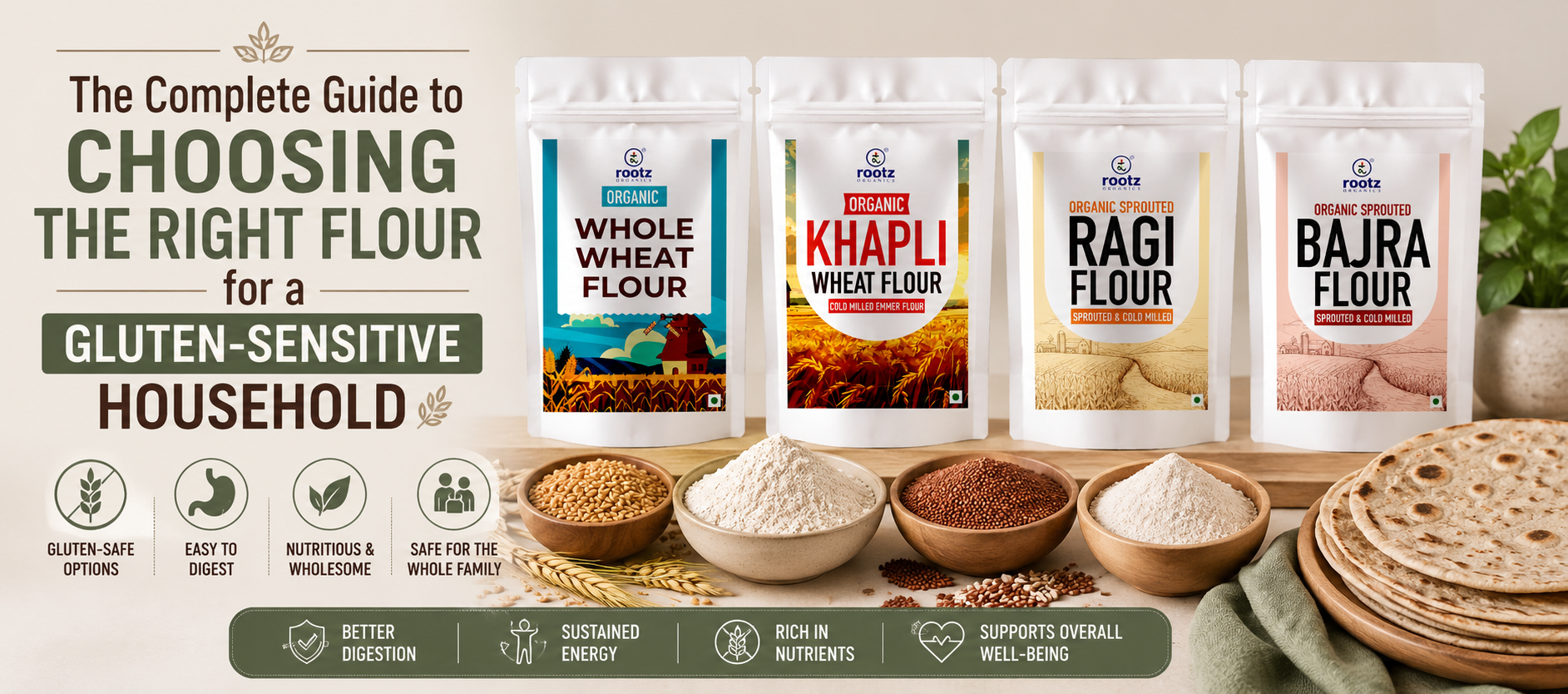
Modern consumers often have specific dietary needs such as gluten intolerance, lactose sensitivity, or vegan preferences. Ignoring these requirements can lead to health complications and discomfort. For example, individuals with gluten sensitivity must carefully select products designed to support digestive health and nutritional balance. Today, many households are turning to specialty options like Gluten Free Flours to maintain a balanced and safe diet while enjoying traditional recipes.
7. Buying Excess Quantities Without Checking Shelf Life
Bulk purchasing can be cost-effective, but it becomes problematic when products expire before consumption. This mistake is especially common with packaged foods, grains, and pantry staples. Expired food not only wastes money but also poses potential health risks.
Smart Storage Strategy
- Check expiry dates before purchasing
- Store products in cool, dry places
- Rotate older stock to the front
- Buy quantities based on realistic consumption patterns
8. Not Comparing Product Quality Across Different Categories
Many shoppers focus only on brand recognition rather than evaluating product quality across categories. For example, the quality of grains, oils, and dairy products can vary significantly depending on sourcing methods and processing standards. Consumers who compare product details, certifications, and sourcing practices are more likely to make informed purchasing decisions. Staples such as Organic Rice Online are increasingly popular among families seeking healthier alternatives to conventionally grown grains.
9. Ignoring Seasonal and Fresh Produce Availability
Seasonal fruits and vegetables are naturally more nutritious, affordable, and flavorful. However, many buyers overlook seasonal availability when shopping online. Choosing seasonal produce supports local farmers, reduces environmental impact, and ensures better taste and freshness. Health-conscious households often prefer fresh Organics Fruits because they are grown without harmful chemicals and retain their natural nutrients.
10. Not Checking Product Certifications and Authenticity
Certification plays a crucial role in verifying the authenticity and safety of food products. Without proper certification, it can be difficult to determine whether a product meets quality and safety standards.
Important Certifications to Look For in India
- FSSAI Certification
- Organic Certification
- ISO Quality Standards
- Non-GMO Verification
These certifications help ensure that products are produced using safe and regulated processes.
11. Ignoring Nutritional Value While Selecting Cooking Essentials
Cooking ingredients play a significant role in daily nutrition. Selecting the right products can improve overall health, energy levels, and immunity. Traditional foods such as clarified butter have been used in Indian households for centuries due to their nutritional benefits and digestive properties. Many families now prefer A2 Cow Ghee because it is easier to digest and contains beneficial fatty acids that support overall wellness.
12. Not Exploring Reliable Sources for Healthy Food Options
Another major mistake is relying on unreliable or unknown sources for essential food items. Trustworthy platforms provide transparency, consistent quality, and safe packaging practices. Consumers today are increasingly choosing verified platforms that offer responsibly sourced and carefully processed products. Access to reliable Organic Food Products Online allows families to maintain healthier lifestyles while enjoying the convenience of home delivery.
How to Shop Smarter and Safer for Groceries Online
Create a Consistent Shopping Routine
Establishing a regular shopping schedule helps maintain pantry organization and prevents last-minute purchases. Weekly planning ensures that essential items are always available while reducing unnecessary spending.
Focus on Nutrition and Quality
Prioritizing nutritional value over convenience is essential for long-term health. Choose products that support balanced diets and sustainable living practices.
Choose Trusted and Transparent Platforms
Reliable platforms provide clear product descriptions, verified certifications, and responsive customer support. These factors contribute to a positive shopping experience and increased customer satisfaction.
The Future of Online Grocery Shopping in India
India's online grocery market is expected to grow significantly in the coming years. Advances in logistics, technology, and consumer awareness will continue to shape the industry's future.
Key trends include:
- Increased demand for clean-label and natural foods
- Growth of specialty dietary products
- Expansion of home delivery services
- Greater focus on sustainability and eco-friendly packaging
- Rising consumer awareness about nutrition and food safety
As consumers become more informed, the demand for reliable, transparent, and health-focused grocery platforms will continue to rise.
Conclusion
Online grocery shopping offers unmatched convenience, variety, and accessibility for modern households. However, making informed decisions is essential to ensure product quality, safety, and value for money. By avoiding common mistakes such as ignoring product labels, overlooking reviews, and prioritizing price over quality, consumers can significantly improve their shopping experience. Smart planning, careful product selection, and awareness of nutritional needs are key to building healthier lifestyles. Ultimately, successful online grocery shopping is about making thoughtful choices that support long-term wellness, financial efficiency, and sustainable living.
Frequently Asked Questions (FAQs)
1. What should I check before buying groceries online?
You should check product ingredients, expiry dates, customer reviews, delivery timelines, and certifications before placing an order to ensure quality and safety.
2. Is online grocery shopping safe in India?
Yes, online grocery shopping is generally safe when you choose trusted platforms that follow proper hygiene, packaging, and delivery standards.
3. How can I avoid overspending while shopping online?
Create a shopping list, set a budget, compare prices, and avoid impulse purchases to control expenses effectively.
4. Why is it important to read product labels?
Reading labels helps identify ingredients, allergens, preservatives, and nutritional information, allowing you to make healthier food choices.
5. What are the benefits of planning grocery purchases in advance?
Planning helps reduce food waste, saves money, ensures balanced nutrition, and improves overall household management.
-
 August 6th, 2026
 -
 August 6th, 2026