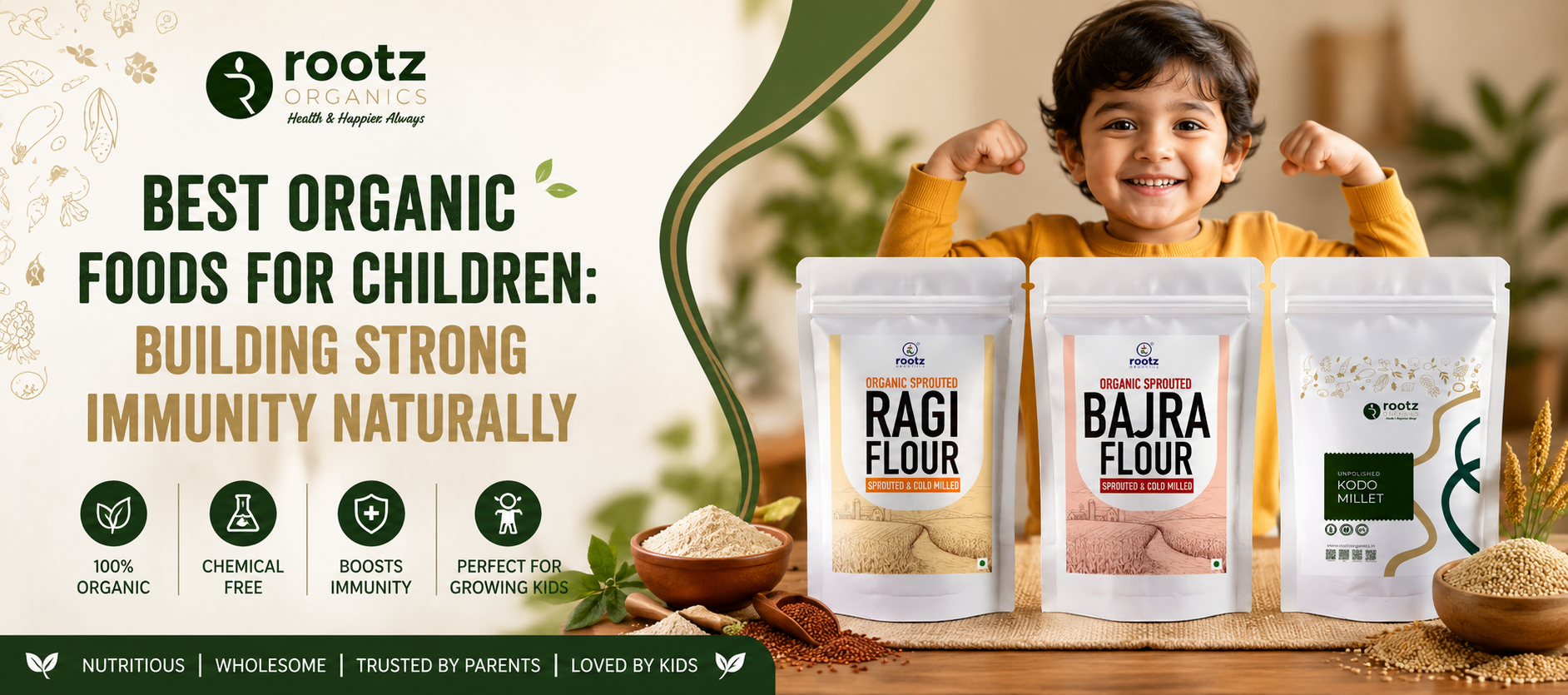
Best Organic Foods for Children: Building Strong Immunity Naturally
Every Indian parent knows the drill. The school reopens after a break, and within a week, there is a runny nose at the breakfast table. Monsoon arrives, and along with it comes the seasonal cough that seems to visit every child in the building. It is one of the most common worries raised in paediatric clinics across the country, and it is almost always followed by the same question: what can we feed our child to help them fall sick less often?
The honest answer lies less in supplements and more in the kitchen. A child's immune system is built meal by meal, largely through gut health, micronutrient intake, and consistent, real food rather than processed snacks. This is also why, increasingly, Indian households are turning back to traditional, chemical-free ingredients their grandparents trusted, now available conveniently through organic and clean-label brands. This guide breaks down practical, research-backed, and grandmother-approved foods to boost immunity in kids, along with how to fit them into a typical Indian household routine without turning mealtime into a battle.
Why a Child's Immune System Needs More Attention Than an Adult's
A child is not a smaller version of an adult when it comes to immunity. Their immune system is still developing well into the early teenage years, which is exactly why children catch colds, stomach infections, and seasonal illnesses far more often than grown-ups do. Each infection is, in a strange way, part of the learning process: the body is building a library of antibodies it will use for years to come.
That said, frequent illness is also a sign that the body needs better fuel. Three things matter most for a developing immune system:
- Gut health, since nearly 70% of immune cells reside in the digestive tract
- Micronutrient sufficiency, particularly vitamin C, vitamin D, zinc, and iron, which are commonly low in Indian children's diets
- Reduced exposure to processed sugar and refined foods, which can suppress immune cell activity for hours after consumption
Pesticide residue is a less-discussed but important piece of this puzzle. Children eat more food relative to their body weight than adults do, and their detox pathways are still maturing, which means residual chemicals from conventionally grown produce and grains can have a proportionally larger impact on them. This is one of the quieter reasons many Indian parents are shifting toward organic staples for their children's everyday meals, not as a trend, but as a precaution.
What Makes a Food Genuinely Immunity-Boosting for Kids
Before getting into the list, it helps to understand what nutritionists actually look for. Not every "superfood" claim holds up, but a few nutritional markers consistently support stronger immunity in growing children:
- Vitamin C – supports white blood cell production and wound healing
- Zinc – essential for immune cell development; deficiency is common in Indian diets
- Iron – low iron is directly linked to more frequent infections in children
- Probiotics and prebiotic fibre – support the gut-immune connection
- Healthy fats – needed to absorb fat-soluble vitamins like A, D, E, and K
- Antioxidants and polyphenols – help reduce inflammation and oxidative stress
With this lens, here are the everyday foods that consistently deliver on these fronts, many of which are already familiar to Indian households.
Traditional Indian Superfoods for Kids' Immunity
Amla (Indian Gooseberry)
Amla remains one of the richest natural sources of vitamin C, often containing more of it gram-for-gram than an orange. A small piece of fresh amla, amla murabba, or amla candy once a day can meaningfully support a child's resistance to seasonal colds, particularly during the monsoon and winter months when respiratory infections spike.
A2 Ghee
Ghee made from the milk of indigenous cow breeds has been part of Ayurvedic childcare for centuries, and modern nutrition is starting to validate why. It carries fat-soluble vitamins A, D, E, and K, along with butyric acid, a short-chain fatty acid known to support gut lining health and reduce inflammation. A teaspoon of good-quality, hand-churned organic A2 ghee stirred into warm rice, dal, or roti gives growing children sustained energy along with gut and immune support, without the additives found in commercially processed ghee.
Turmeric (Haldi)
Curcumin, the active compound in turmeric, has well-documented anti-inflammatory and antimicrobial properties. A pinch of turmeric in warm milk at bedtime, or simply cooked into daily sabzis and dal, is a low-effort habit with a long track record in Indian homes for supporting recovery from colds and minor infections.
Tulsi (Holy Basil)
Tulsi leaves, brewed lightly into a mild herbal tea or added to soups, are traditionally used to ease congestion and support respiratory health. For children, a weak tulsi-ginger decoction with a touch of jaggery is often more palatable than a strong adult version.
Jaggery
Unlike refined sugar, jaggery retains iron, magnesium, and small amounts of antioxidants from the sugarcane juice it is made from. Replacing white sugar with jaggery in homemade snacks, laddoos, or chikkis is a simple swap that supports iron levels, which in turn supports stronger immune defence.
Millets and Whole Grains: The Quiet Immunity Builders
Millets have moved from being a "poverty grain" a generation ago to being recognised today as some of the most nutrient-dense staples available to Indian families. Ragi, bajra, jowar, and foxtail millet are naturally rich in fibre, B vitamins, and minerals like iron and magnesium, all of which support a healthy gut microbiome, which is directly tied to immune resilience.
A practical and increasingly popular way for parents to introduce these grains is by sourcing organic millets online, where stone-ground, chemical-free batches retain more of their natural nutrient profile than mass-processed alternatives. Millet dosas, porridge, or upma made for breakfast are an easy way to start the day with a gut-friendly, low-GI meal that keeps children fuller for longer and less reliant on mid-morning sugary snacks.
Jowar (Sorghum) for Gut Health
Jowar deserves a special mention because it is naturally gluten-free, easy on digestion, and rich in antioxidants. For children with mild gluten sensitivity or simply parents looking to diversify grains beyond wheat, Organic jowar flour works well in rotis, dosas, and even pancakes, offering fibre that feeds beneficial gut bacteria without the bloating some children experience with refined wheat flour.
Whole Wheat, Done Right
Wheat is still the backbone of most North Indian households, and that is not a problem in itself, as long as it is stone-ground and minimally processed. Chemically refined or bleached flours strip away the bran and germ, where most of the fibre, B vitamins, and minerals reside. Choosing a good organic wheat flour for daily rotis and parathas ensures children get the fibre and micronutrients intact, supporting both digestion and steady energy through the school day.
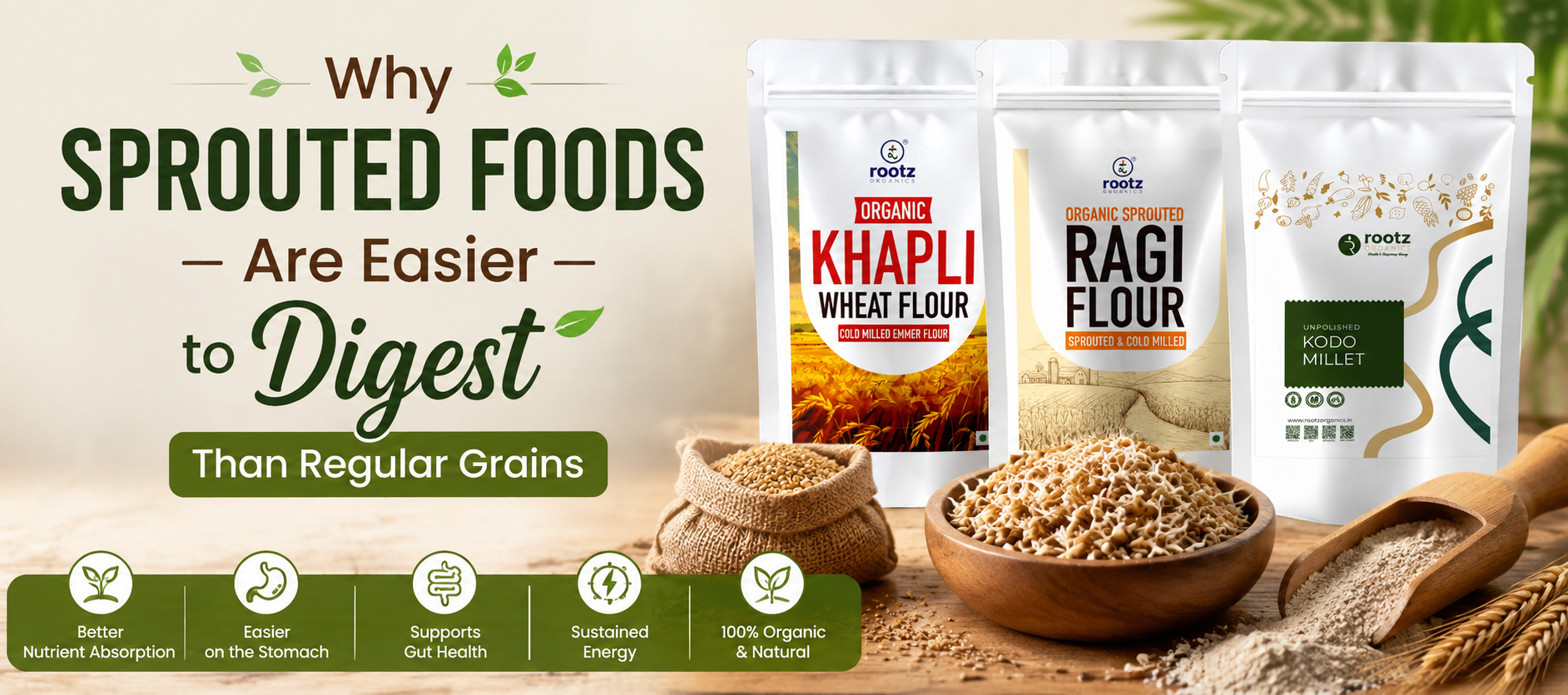
For households experimenting with a mix of grains across the week, exploring a range of organic flours online makes it easier to rotate between wheat, millet, and ancient grains like khapli or sprouted flours, each bringing a slightly different nutrient profile to the table.
Fruits and Vegetables That Children Actually Enjoy Eating
Getting children to eat vegetables is, for many parents, the real challenge. The good news is that several immunity-supporting fruits and vegetables are naturally sweet, colourful, or easy to disguise in familiar dishes.
- Citrus fruits (orange, mosambi, lemon) – rich in vitamin C, best served as fresh slices or fresh juice rather than packaged juice
- Sweet potato – naturally sweet, rich in beta-carotene, and works well roasted, mashed, or baked into cutlets
- Spinach and other leafy greens – blended into parathas, dal, or smoothies to mask the taste while retaining iron and folate
- Pumpkin and carrots – high in beta-carotene, which the body converts to vitamin A, important for the skin and mucous membranes that act as the body's first line of defence
- Pomegranate – antioxidant-rich and genuinely loved by most children for its taste and texture
- Guava – often overlooked, but contains more vitamin C than most citrus fruits and is widely available across India
A practical tip many Indian paediatricians repeat: rotate fruits and vegetables by season rather than sticking to the same three or four. Seasonal produce tends to be fresher, more affordable, and naturally aligned with what the body needs at that time of year, an idea Ayurveda has championed long before "seasonal eating" became a wellness trend.
Protein, Probiotics, and Healthy Fats for Daily Resilience
Protein is often underrepresented in Indian children's diets, especially in vegetarian households, despite being essential for producing antibodies and immune cells. Dals, rajma, chickpeas, paneer, and eggs (where included) should ideally appear in some form at most meals.
Curd or fresh homemade dahi deserves particular attention here. The probiotics in curd support a healthy gut microbiome, and several clinical studies have linked regular yogurt consumption in children to a measurably lower frequency of common colds and throat infections. A small bowl of curd with lunch, or a homemade lassi, is one of the simplest additions a parent can make.
Nuts and seeds — almonds, walnuts, pumpkin seeds, and flaxseeds — bring zinc, magnesium, and healthy fats into the mix. For younger children, these are best given finely ground into laddoos, smoothies, or sprinkled over porridge to avoid choking hazards.
Building a Practical Weekly Routine, Not a Strict Diet
One mistake well-meaning parents make is treating immunity-boosting foods as a short-term fix during flu season rather than a long-term habit. Immunity is cumulative. A few practical ways to build this into daily life without added stress:
- Start the day with a millet or whole-grain breakfast instead of refined cereal
- Cook one meal a day with a teaspoon of ghee for fat-soluble vitamin absorption
- Keep cut seasonal fruit visible and accessible rather than packaged snacks
- Add a pinch of turmeric to at least one meal daily
- Offer curd or buttermilk with lunch most days of the week
- Limit packaged juices, sugary snacks, and ultra-processed foods to occasional treats rather than daily staples
None of these require a complete overhaul. Most Indian households already practise versions of this; the goal is consistency rather than perfection.
Age-Wise Considerations Parents Often Overlook
Immunity needs shift as children grow, and a one-size-fits-all approach rarely works well in practice.
Toddlers (1–3 years)
Focus on soft, mashed, or pureed versions of immunity foods — ragi porridge, mashed sweet potato, and small amounts of ghee in dal. Introduce one new food at a time to watch for allergies.
Preschool and Early School Years (4–8 years)
This is when picky eating peaks. Disguising vegetables in parathas, smoothies, or millet-based snacks works better than direct persuasion at this stage.
Pre-teens (9–12 years)
Appetite and activity levels rise sharply. This is a good age to involve children in simple cooking, like making their own millet dosa or fruit bowl, which often increases their willingness to eat these foods.
Across all age groups, consistency matters more than perfection. A child who eats well five days a week and has the occasional packaged snack on a birthday party is in a far better position than one swinging between extreme restriction and unrestricted indulgence.
Why "Organic" Matters More for Children Than Adults
The organic-versus-conventional debate often gets framed in adult terms, like pesticide exposure over a lifetime. For children, the maths is different, and arguably more urgent. A child's liver and kidneys are still maturing, their body weight is lower, and they consume more food and water relative to that body weight than adults do. This means any residual chemical load from conventionally grown grains, fruits, or dairy has a proportionally greater effect.
This is not about fear-mongering; it is simply about giving growing bodies the cleanest possible inputs while they are doing the most foundational work of development. Choosing organic staples like flours, ghee, millets, and seasonal produce for a child's daily diet is a practical, low-friction way to reduce that chemical burden without requiring a complete lifestyle overhaul.
Bringing It All Together
Strong immunity in children is not built through a single "magic" food, a syrup, or a supplement bought during flu season. It is built quietly, meal after meal, through a foundation of whole grains, traditional Indian superfoods, seasonal produce, healthy fats, and good gut health. Many of these immunity-supporting staples are already familiar to Indian households; the real shift lies in sourcing them in their cleanest, least processed form and serving them consistently rather than occasionally.
For parents looking to simplify this transition, starting with daily staples like flours, ghee, and grains in their organic form is often the easiest first step, since these are foods a child consumes every single day rather than occasionally.
Frequently Asked Questions
1. What are the best natural foods for building immunity in kids?
Amla, turmeric, A2 ghee, curd, millets like ragi and jowar, citrus fruits, and leafy greens are among the most effective natural foods for supporting a child's immunity. The key lies in offering a variety of these consistently rather than relying on any single food.
2. At what age can I start giving immunity-boosting foods to my child?
Most immunity-supporting foods can be introduced gradually after six months of age, alongside the start of solids, under paediatric guidance. Foods like mashed sweet potato, ragi porridge, and small amounts of ghee are commonly introduced early, while items like whole nuts, honey, and citrus should wait until the paediatrician confirms it is appropriate.
3. Is organic food really necessary for children, or is it just a trend?
While conventional food is not inherently unsafe, organic food reduces a child's exposure to pesticide residues and chemical additives at a stage when their organs are still developing. Many paediatricians and nutritionists recommend prioritising organic options for staples children consume daily, such as flours, ghee, and grains.
4. How can I get my child to eat more immunity-boosting vegetables without a daily fight?
Disguising vegetables in parathas, smoothies, or millet-based snacks tends to work better than direct persuasion, especially for picky eaters between four and eight years old. Involving children in simple cooking and offering the same vegetable in different forms over time also improves acceptance.
5. Can diet alone prevent a child from falling sick?
No single diet can guarantee a child never falls sick, since immunity also depends on sleep, physical activity, hygiene, and vaccination schedules. However, a consistent diet rich in the foods to boost immunity in kids discussed above can reduce the frequency and severity of common infections and support faster recovery when illness does occur.
-
 August 6th, 2026
 -
 August 6th, 2026