
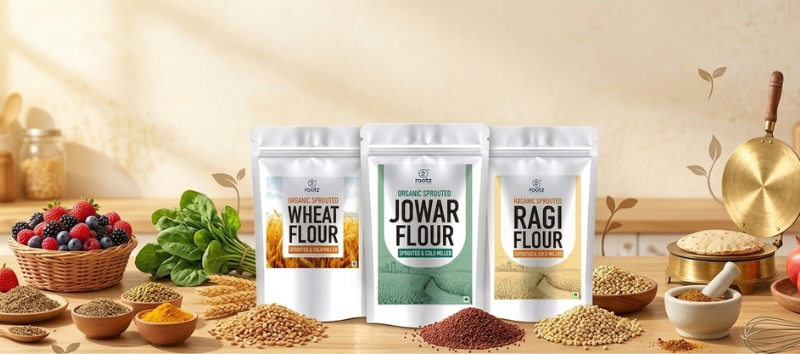
Best Organic Flours Online in India for Healthy Cooking
In recent years, Indian households have started paying closer attention to the quality of ingredients used in daily meals. Among all kitchen staples, flour plays a crucial role because it forms the base of many traditional dishes—from rotis and parathas to dosas, laddoos, and baked goods. Choosing the right flour can significantly influence nutrition, digestion, and overall wellness.
Today, more families are turning to organic flours as a safer and more nutritious alternative to conventional options. These flours are produced without harmful chemicals, synthetic pesticides, or artificial additives. They preserve natural nutrients and align with traditional Indian food wisdom. With the growth of digital grocery platforms, buying the best organic flours online in India has become convenient, reliable, and accessible to households across cities and towns.
This comprehensive guide explores the benefits of organic flours, the most popular types available in India, how to choose the right flour for your needs, and practical tips for incorporating them into daily meals. Whether you are a home cook, a health-conscious parent, or someone exploring better dietary habits, this article will help you make informed decisions for Healthy Cooking.
Why Organic Flours Are Essential for Healthy Cooking in Indian Homes
Flour is consumed daily in most Indian households. From breakfast to dinner, wheat and millet-based dishes dominate the menu. However, the quality of flour used can impact digestion, energy levels, and long-term health.
Organic flours are made from grains grown in natural farming environments. These grains are cultivated without chemical fertilizers or pesticides, ensuring better nutrient retention and safer consumption. In contrast, conventional flours may contain chemical residues that can affect health over time.
Switching to organic flour is not just a dietary change—it is a lifestyle choice that supports wellness, sustainability, and mindful consumption.
Key Benefits of Organic Flours
- Free from harmful pesticides and chemicals
- Rich in fiber, vitamins, and essential minerals
- Better digestion and gut health
- Supports sustainable and eco-friendly farming
- Preserves traditional Indian nutrition practices
For families aiming to improve nutrition without changing their traditional recipes, organic flours offer a simple yet powerful solution.
Understanding the Rise of Organic Flours Online in India
The demand for organic food products has grown rapidly across India in the last decade. Urban consumers, working professionals, and health-conscious families are actively seeking clean-label ingredients for everyday meals.
Online grocery platforms have played a significant role in this shift. They provide easy access to high-quality organic flours, detailed product information, and convenient doorstep delivery. This digital transformation has made it easier for consumers to maintain consistent quality in their kitchens.
Buying Organic Flours Online also allows customers to explore a wide variety of grains, including traditional millets that were once difficult to find in local markets.
Reasons for the Growing Popularity of Organic Flours
- Increased awareness about food safety and nutrition
- Rising interest in millet-based diets
- Convenience of online shopping
- Demand for chemical-free ingredients
- Focus on preventive health and wellness
As more consumers prioritize quality over quantity, organic flours are becoming a staple in modern Indian kitchens.
Top Types of Organic Flours for Healthy Cooking
India has a rich tradition of using diverse grains in daily meals. Each flour offers unique nutritional benefits and culinary uses. Understanding these differences helps households create balanced and wholesome diets.
1. Organic Wheat Flour: A Daily Staple for Indian Kitchens
Organic Wheat Flour is one of the most widely used flours in India. It is commonly used to prepare chapatis, parathas, puris, and baked goods. When sourced organically, wheat retains its natural nutrients and becomes easier to digest.
Whole wheat flour contains fiber, protein, and essential vitamins that support sustained energy throughout the day. It is suitable for families looking to maintain traditional diets while improving ingredient quality.
Nutritional Highlights
- High in dietary fiber
- Supports digestive health
- Provides long-lasting energy
- Rich in iron and B vitamins
Organic wheat flour remains a dependable choice for households focused on consistent nutrition and reliable meal preparation.
2. Organic Ragi Flour: A Nutrient-Dense Superfood
Organic Ragi Flour has gained popularity as a highly nutritious millet-based flour. Known for its high calcium content, ragi supports bone health and is widely recommended for children, elderly individuals, and fitness enthusiasts.
This traditional grain has been used in Indian diets for centuries and is now recognized as a modern superfood.
Health Benefits of Ragi
- Excellent source of calcium
- Supports bone strength and growth
- Helps manage blood sugar levels
- Promotes weight management
Ragi flour can be used to prepare porridge, dosa, rotis, and nutritious snacks. Its versatility makes it an ideal addition to balanced meal plans designed for Healthy Cooking.
3. Organic Jowar Flour: A Gluten-Friendly Millet Option
Organic Jowar Flour is a popular millet-based flour known for its light texture and digestive benefits. It is naturally gluten-friendly and suitable for individuals who prefer alternative grains.
Jowar is rich in antioxidants, fiber, and essential nutrients, making it a valuable addition to modern diets.
Advantages of Jowar Flour
- Supports heart health
- Improves digestion
- Helps maintain energy levels
- Suitable for diverse dietary preferences
Including jowar flour in weekly meal planning can diversify nutrient intake while maintaining traditional flavors.
4. Gluten Free Flours: Supporting Special Dietary Needs
Many consumers today are exploring alternatives to conventional wheat-based products. Gluten Free Flours provide flexibility for individuals with specific dietary requirements or those seeking lighter digestion.
Common gluten-free flours include rice flour, millet flour, and buckwheat flour. These options allow households to prepare familiar dishes while accommodating diverse nutritional preferences.
Who Can Benefit from Gluten-Free Flours?
- Individuals with gluten sensitivity
- People following specialized diets
- Families seeking digestive-friendly options
- Health-conscious consumers exploring variety
Adding gluten-free flours to your pantry enhances dietary diversity and supports balanced nutrition.
How to Choose the Best Organic Flours Online in India
Selecting the right flour requires careful consideration of quality, sourcing, and freshness. With many options available online, consumers should evaluate products based on transparency and reliability.
Key Factors to Consider Before Buying
1. Ingredient Transparency
Look for clear labeling that lists ingredients, sourcing details, and processing methods. Clean-label products indicate higher quality standards.
2. Freshness and Processing
Freshly milled flour retains more nutrients and flavor. Stone-ground or small-batch processing methods often produce superior results.
3. Certification and Quality Assurance
Organic certifications ensure that products meet recognized safety and sustainability standards.
4. Packaging and Storage
Proper packaging protects flour from moisture and contamination. Airtight containers help preserve freshness.
By evaluating these factors, households can confidently purchase high-quality flour for consistent meal preparation.
The Role of Traditional Grains in Modern Healthy Cooking
India’s culinary heritage is deeply rooted in the use of diverse grains. Millets such as ragi and jowar were once staple foods in many regions. Over time, refined grains became more common, reducing dietary diversity.
Today, nutrition experts encourage the reintroduction of traditional grains into daily meals. These grains provide essential nutrients and support sustainable agriculture.
Benefits of Including Traditional Grains
- Improved nutritional balance
- Better digestion and metabolism
- Enhanced immunity and energy levels
- Support for local farming communities
Combining traditional grains with modern cooking techniques creates meals that are both nutritious and convenient.
Practical Tips for Using Organic Flours in Daily Meals
Transitioning to organic flours does not require major changes in cooking habits. Small adjustments can help families integrate healthier ingredients seamlessly.
Easy Ways to Start
- Replace regular flour with organic alternatives
- Mix different flours for improved nutrition
- Experiment with millet-based recipes
- Store flour in airtight containers
- Rotate grains to maintain dietary variety
These simple steps make it easier to maintain consistent quality and nutrition in everyday meals.
Why Buying Organic Flours Online Supports Sustainable Living
Choosing organic products contributes to environmental sustainability. Organic farming methods reduce soil degradation, conserve water, and protect biodiversity.
Consumers who purchase organic flours help promote responsible agricultural practices and support farmers who prioritize natural cultivation methods.
Environmental Benefits
- Reduced chemical pollution
- Improved soil health
- Conservation of natural resources
- Support for eco-friendly farming
Sustainable food choices benefit both individual health and the planet.
Common Mistakes to Avoid When Buying Organic Flours
While organic flours offer many benefits, consumers should remain cautious to ensure quality and authenticity.
Frequent Errors
- Ignoring ingredient labels
- Choosing products based solely on price
- Buying large quantities without checking freshness
- Storing flour improperly
- Not rotating stock regularly
Avoiding these mistakes helps maintain food safety and nutritional value.
The Future of Organic Flours in India
The organic food market in India is expected to continue growing as awareness about nutrition and sustainability increases. Consumers are becoming more informed about the impact of food choices on long-term health.
Advancements in digital commerce, improved supply chains, and better quality standards will make organic products more accessible to households across the country.
As families prioritize wellness and convenience, organic flours will remain a foundational ingredient in modern kitchens focused on Healthy Cooking.
Conclusion: Building a Healthier Kitchen with Organic Flours
Flour is one of the most important ingredients in Indian cuisine, influencing both nutrition and taste. Choosing organic flours ensures safer consumption, better digestion, and improved overall wellness.
From wheat and ragi to jowar and gluten-free options, each flour offers unique benefits that support balanced diets. By selecting high-quality products and incorporating traditional grains into daily meals, households can create nutritious dishes without compromising flavor.
Investing in organic flours is not just about food—it is about building healthier lifestyles, supporting sustainable farming, and preserving India’s rich culinary heritage.
Frequently Asked Questions (FAQs)
1. What makes organic flour different from regular flour?
Organic flour is produced from grains grown without synthetic pesticides or chemicals. It retains more natural nutrients and supports safer consumption.
2. Which organic flour is best for daily use in Indian cooking?
Organic wheat flour is commonly used for everyday meals such as chapatis and parathas. It provides balanced nutrition and consistent results.
3. Are millet flours suitable for children and elderly people?
Yes, millet flours like ragi and jowar are rich in essential nutrients and support bone health, digestion, and overall wellness.
4. How should organic flour be stored at home?
Store flour in airtight containers in a cool, dry place to maintain freshness and prevent contamination.
5. Can organic flours help improve digestion?
Yes, organic flours typically contain higher fiber content and fewer chemical residues, which can support better digestive health.
-
 April 6th, 2026
 -
 April 4th, 2026
 -
 April 3rd, 2026
 -
 April 3rd, 2026
 -
 April 2nd, 2026