
10 Reasons Why Organic Fruits Are Safer for Your Family
Introduction: The Fruit Bowl That Looks Healthy May Not Tell the Whole Story
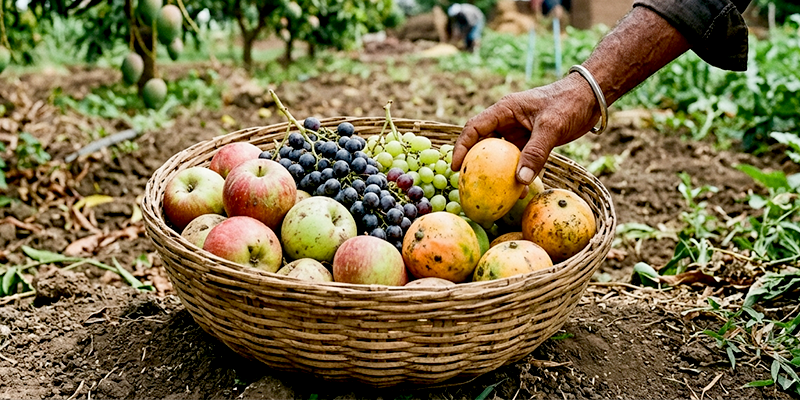
There is something deeply reassuring about a bowl of fresh fruit sitting on a kitchen counter. The bright red of apples, the golden glow of mangoes, the deep purple of jamun. In Indian households, fruit is synonymous with health, with care, with giving your family the best.
But here is a thought that most of us have never had to sit with:
What if the fruit that looks the freshest is actually the most treated?
Across India, conventionally grown fruits pass through multiple rounds of pesticide spraying, post-harvest chemical treatments, and artificial ripening processes before they reach your hands. None of this is visible. None of it has a taste or smell. The fruit looks vibrant and wholesome because it has been engineered to look exactly that way.
Organic fruits, on the other hand, are grown the way fruit was always meant to be grown. No synthetic pesticides, no chemical ripening agents, no wax coatings to extend shelf life artificially. Just fruit, grown with care, in living soil.
Here are ten clear, practical reasons why making the switch to organic fruits is one of the most meaningful things you can do for your family's health.
Reason 1: No Synthetic Pesticide Residues on What Your Family Eats
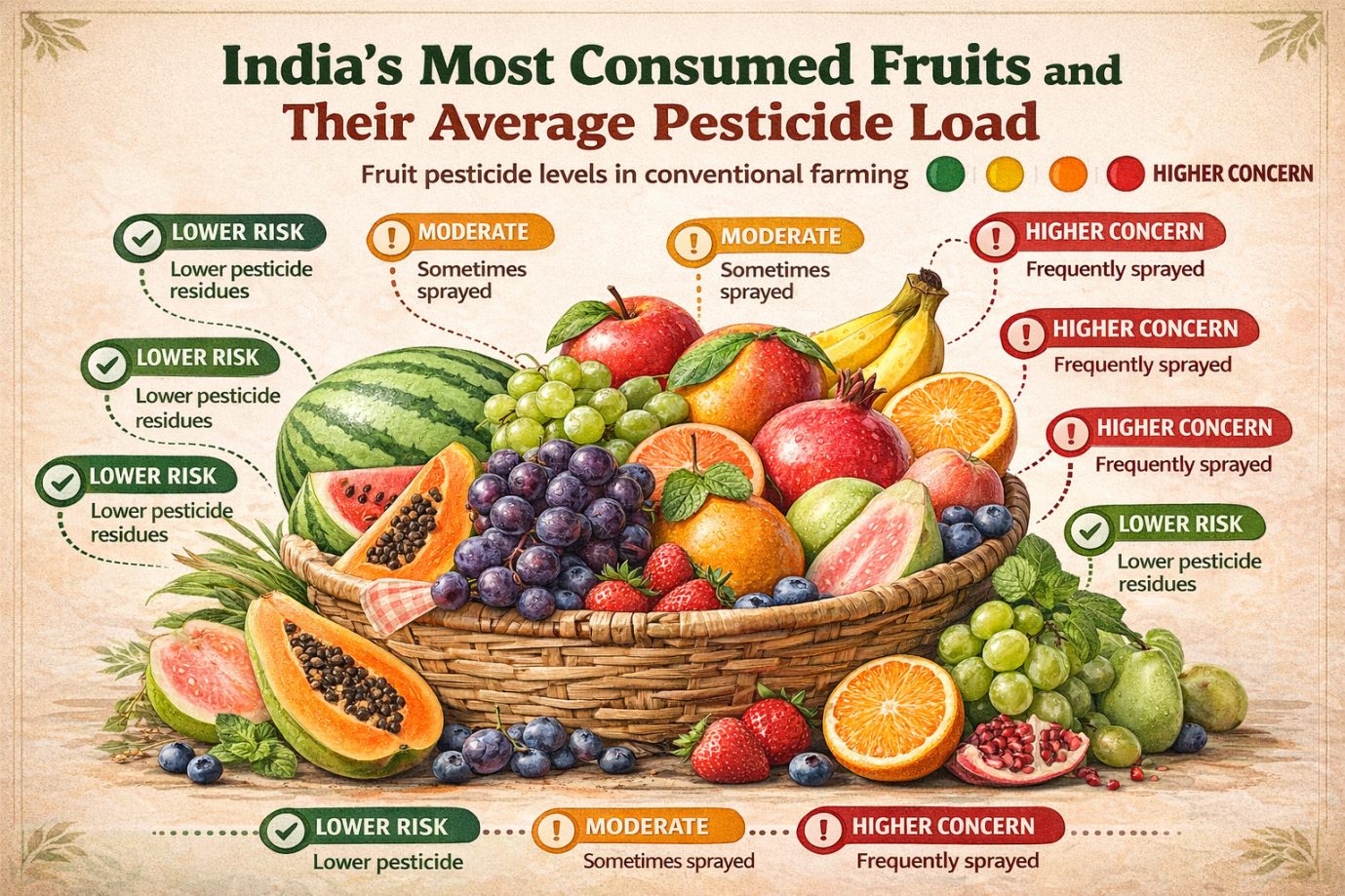
Conventionally grown fruits in India are sprayed with pesticides anywhere from five to fifteen times per growing cycle depending on the crop and region. Apples from Himachal Pradesh, grapes from Nashik, and mangoes from Andhra Pradesh are among the most heavily treated fruits in the country. Many of these sprays leave residues that do not fully disappear even after washing.
Organic fruits are grown without synthetic pesticides entirely. Pest management on certified organic farms uses neem-based solutions, natural predators, and traditional intercropping methods that have been used in Indian agriculture for centuries. The result is fruit that you can eat without quietly wondering what else you are consuming along with it.
Reason 2: Safe for Children Who Eat Fruit Every Single Day
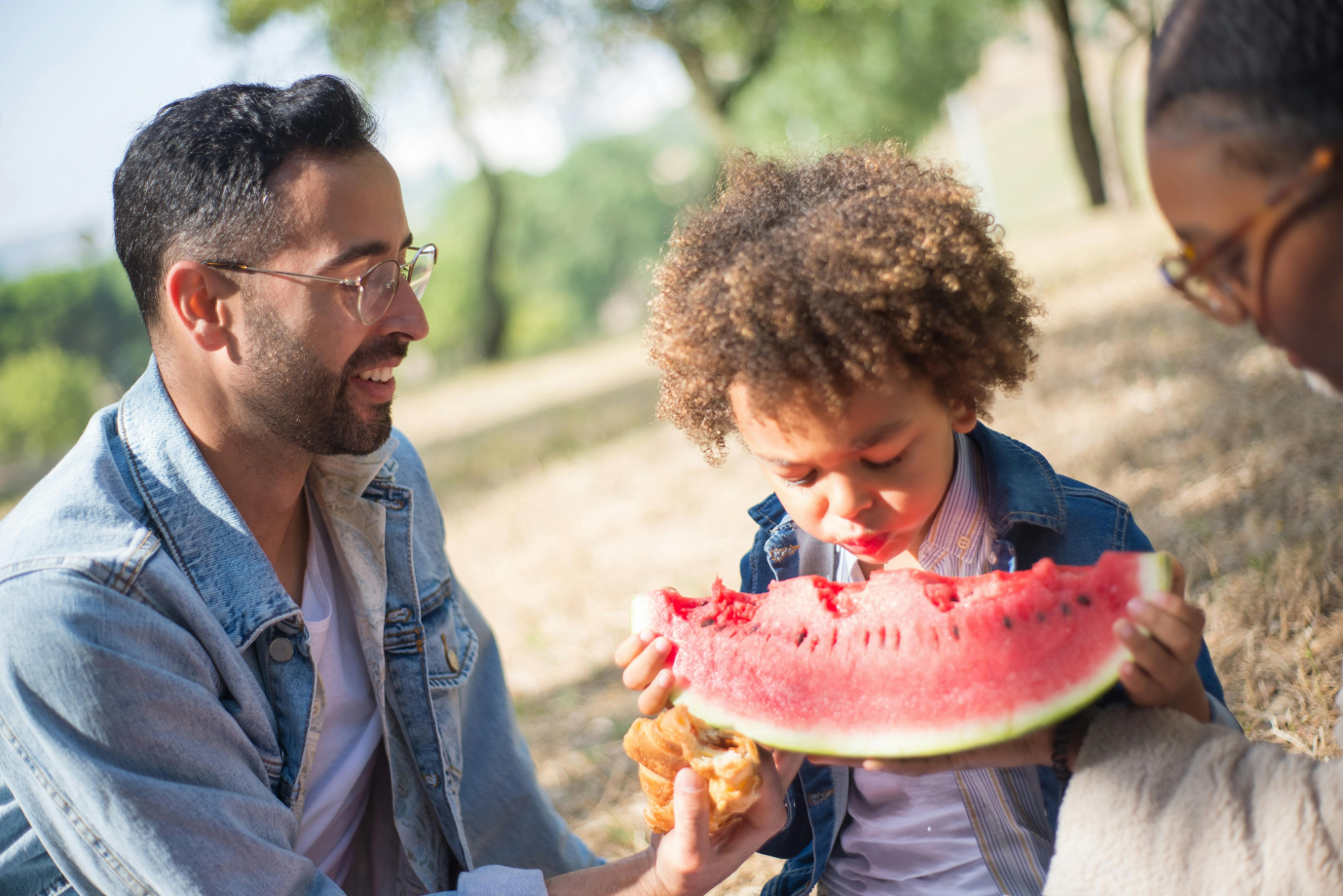
Children's bodies are not smaller versions of adult bodies when it comes to processing chemicals. Their organs are still developing, their detox pathways are immature, and they consume proportionally more food relative to their body weight. A mango, a banana, or a bowl of grapes eaten daily by a child adds up very differently than the same fruit eaten occasionally by an adult.
Organic fruit removes the daily chemical variable entirely. For families with young children, this is perhaps the single most compelling reason to make the switch. What goes into a child's body during their formative years matters in ways that are still being understood by science.
Reason 3: No Artificial Ripening Agents
Walk into any wholesale fruit market in India and you will find vendors using calcium carbide to ripen mangoes, bananas, and papayas overnight. Calcium carbide is a chemical compound that generates acetylene gas when it comes in contact with moisture, which mimics the natural ripening hormone ethylene. It is cheap, fast, and widely used despite being banned by FSSAI for use on food.
Fruit ripened this way looks ready but lacks the nutritional development that comes with natural ripening. It also introduces traces of chemical compounds onto the fruit's surface that are difficult to fully remove. Organic fruit is ripened naturally on the tree or through approved, food-safe methods. The difference in flavour and nutrition is immediately apparent to anyone who tries both.
Reason 4: Better Nutritional Value in Every Bite
Organic fruits consistently test higher for antioxidants, Vitamin C, and polyphenols compared to their conventionally grown counterparts. This is not accidental. When a plant is grown in rich, living soil without the chemical shortcuts that suppress its natural growth processes, it produces more of its own defence compounds. These same compounds are the ones that benefit your health when you eat the fruit.
Research across multiple studies has shown that organically grown strawberries, apples, and citrus fruits contain measurably higher levels of health-promoting compounds. For a country where nutritional deficiencies are a genuine public health concern, getting more from every fruit you eat matters.
Reason 5: The Skin Is Actually Edible Again
How many times have you peeled an apple before giving it to your child, or removed the outer layer of a chiku or pear before eating? Most Indian families do this instinctively, without ever really examining why. The reason, even if unspoken, is the same: the skin does not feel fully safe to eat.
The skin of conventionally grown fruit carries the highest concentration of pesticide residue. It is also where most of the fruit's fibre, antioxidants, and vitamins are concentrated. In other words, peeling is throwing away the most nutritious part to avoid the most contaminated part.
With certified organic fruit, the skin is clean. You can eat an apple the way it was meant to be eaten, with its peel on, without hesitation.

Reason 6: No Post-Harvest Wax Coatings or Chemical Preservatives
That unnatural shine you sometimes notice on apples, oranges, and cucumbers at the supermarket is not the fruit's natural lustre. It is a wax coating, applied after harvest to extend shelf life, reduce moisture loss, and improve appearance during long transportation and storage periods. These coatings can be petroleum-based or contain synthetic fungicides to prevent mould during transit.
Organic standards prohibit synthetic wax coatings and post-harvest chemical preservatives. Organic fruit may not always look as perfectly shiny under supermarket lighting, but what you are getting is the actual fruit, not a chemically preserved version of it.
Reason 7: Grown in Healthier, Living Soil
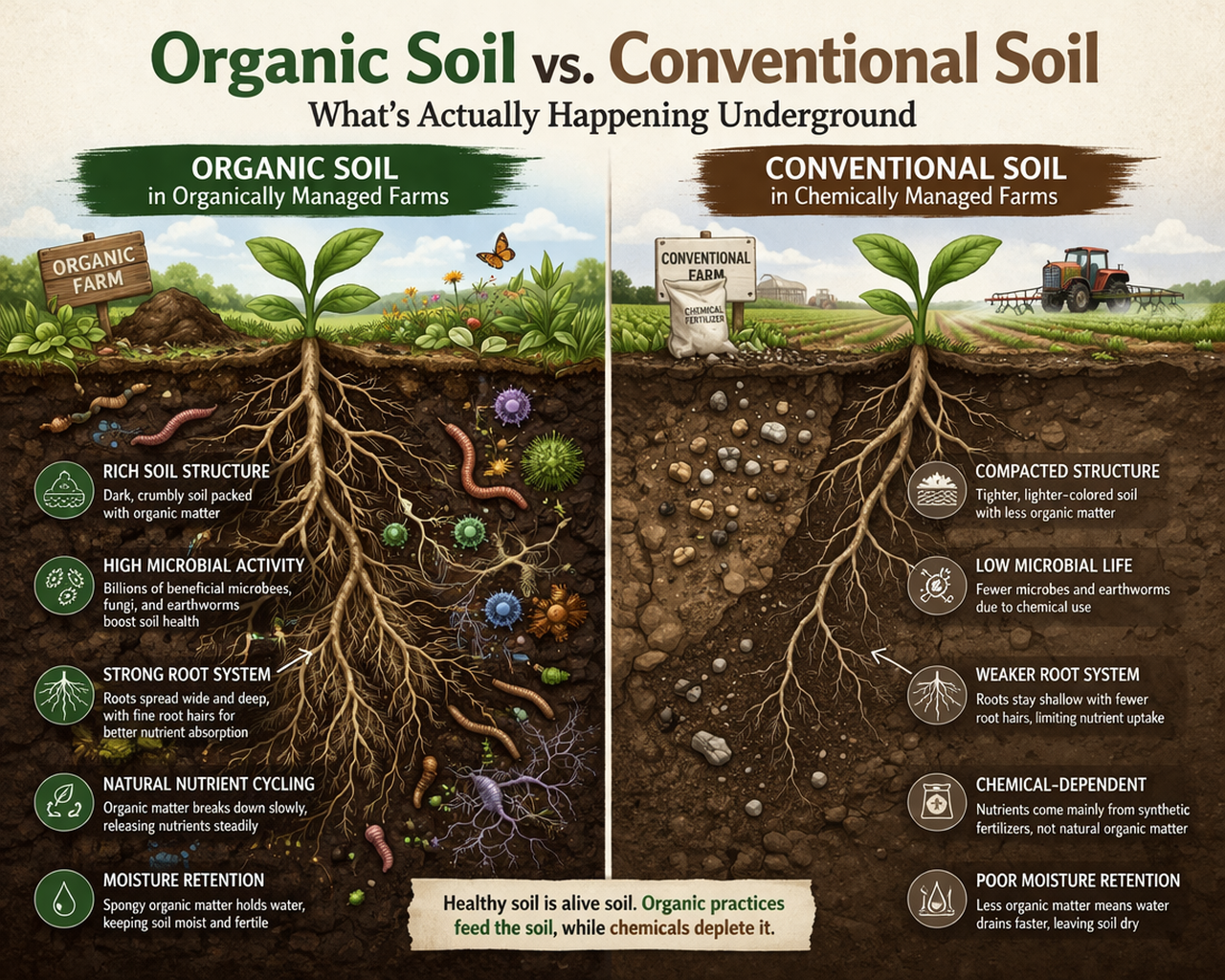
The quality of soil directly determines the quality of what grows in it. Conventional farming, with its heavy reliance on synthetic fertilisers, progressively depletes the microbial life in soil. Over years of intensive chemical farming, the earth loses the natural organisms responsible for transferring minerals and nutrients into plants.
Organic farms actively rebuild soil health through compost, crop rotation, and natural amendments. Fruit grown in biologically active soil absorbs a wider range of minerals and micronutrients. It is a straightforward connection: healthier soil produces more nutritionally complete fruit.
Reason 8: Safer for Pregnant Women and Developing Babies
Pregnancy is a time when everything that enters the mother's body has the potential to affect the developing child. Nutritionists and gynaecologists across India increasingly recommend organic produce to pregnant women precisely because eliminating pesticide and chemical exposure during this period is one of the simplest risk-reduction steps available.
The first trimester in particular, when foetal organ systems are forming, is a window where the developing baby is most sensitive to environmental chemicals. Organic fruit during pregnancy is not a luxury consideration. For families planning ahead or currently expecting, it is a genuinely sensible health decision.
Reason 9: Supporting Indian Farmers Who Farm Responsibly
Every organic fruit purchase is a direct vote for a different kind of farming. Certified organic farmers in India work without the chemical shortcuts their conventional counterparts rely on. They invest more time, more skill, and more care into every harvest. They protect their own health in the process, since farmers who apply synthetic pesticides regularly are the first to suffer from exposure.
India has a growing and proud organic farming community, from the hills of Uttarakhand to the orchards of Himachal Pradesh to the farms of Wayanad in Kerala. Choosing organic fruit keeps this community viable and sends a clear market signal that clean farming deserves to be rewarded.

Reason 10: It Simply Tastes Better
This one is harder to put in a study, but anyone who has eaten a tree-ripened organic mango from a small Indian farm will tell you without hesitation: it tastes like a mango is supposed to taste.
Commercially grown fruit is often picked unripe, transported long distances, and ripened artificially to hit market windows. The flavour development that happens naturally on the tree, when fruit is allowed to mature in its own time and in nutrient-rich soil, simply cannot be replicated in a warehouse.
Organic fruit, grown slowly and harvested at the right time, rewards you with the depth of flavour that has become rare in modern supermarket produce. It is not nostalgia. It is chemistry in the best possible sense: real soil, real time, real taste.
Making the Switch Does Not Have to Be Overwhelming
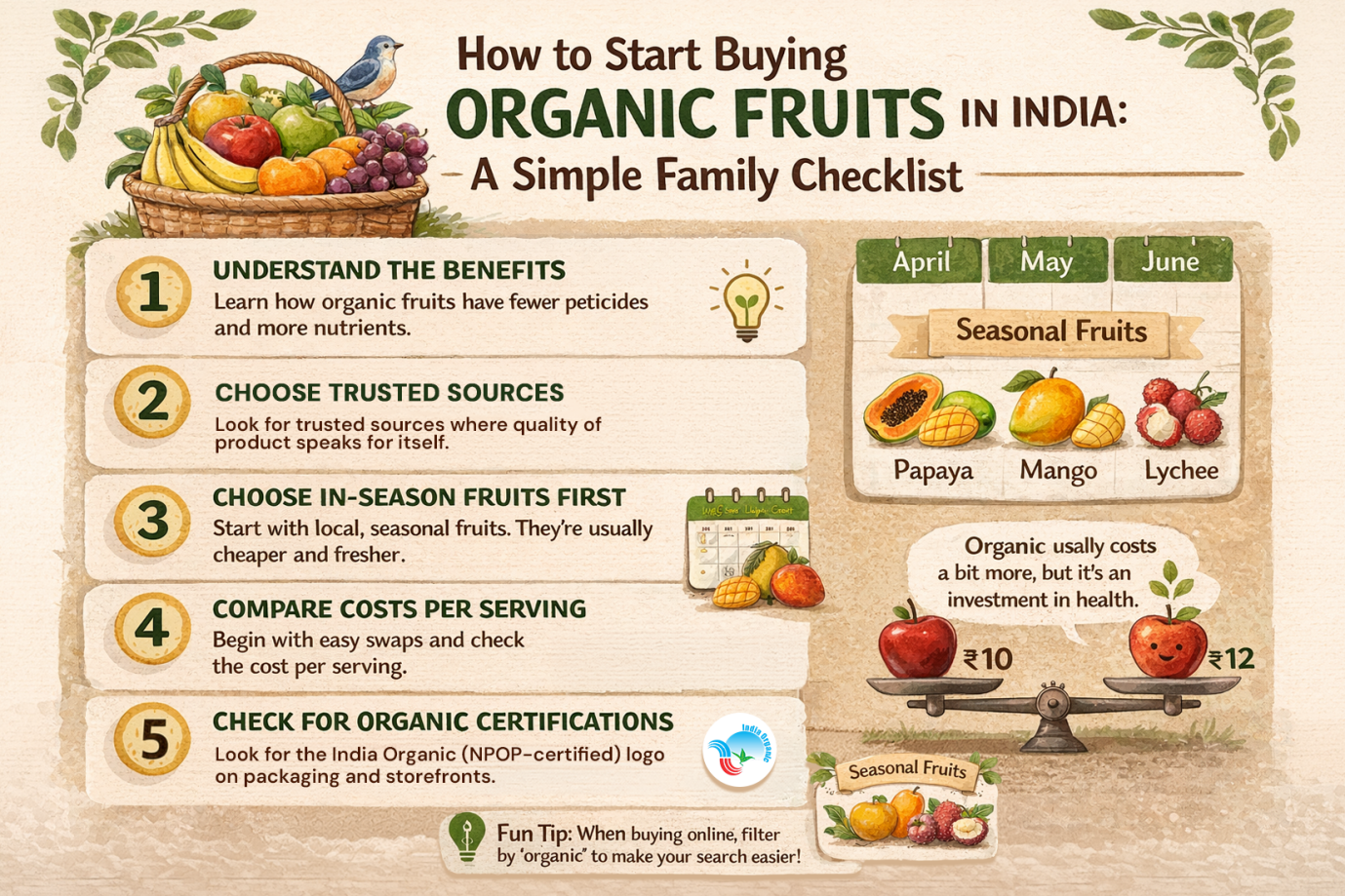
You do not need to replace everything in your kitchen overnight. A practical approach many Indian families use is to start with the fruits their household eats most often, or the fruits their children eat daily. That one change, applied consistently, has a compounding effect on your family's long-term health.
Look for the Jaivik Bharat logo on packaged organic fruit, or buy directly from certified organic sellers like Rootz Organics. When in doubt, start with seasonal, locally grown organic fruit. Seasonal fruit is naturally lower in chemical treatment to begin with, and organic seasonal produce is both more affordable and more nutritious than out-of-season alternatives.
Conclusion: Fresh Does Not Always Mean Clean. Organic Always Does.
The fruit bowl on your counter represents your intention to feed your family well. Organic fruit ensures that intention is fully honoured, from the farm to the first bite. Ten reasons. One simple switch. A healthier table for everyone you love.
Bring Home Fruits That Are Truly Clean
Rootz Organics delivers certified organic fruits sourced directly from trusted Indian farms, tested for purity and harvested with care.
Shop Our Organic Fruit Range | Seasonal. Fresh. Genuinely Certified.
Real fruit. Real farming. Real difference.
FAQs
Q: Are organic fruits really free of pesticides?
A: Certified organic fruits are grown without synthetic pesticides. They may carry trace natural compounds from the environment, but are free from the synthetic chemical residues found on conventionally farmed produce.
Q: Which organic fruits should I buy first in India?
A: Start with fruits your family eats most often. Apples, grapes, mangoes, and strawberries are among the fruits with the highest pesticide load in conventional farming, making them the most impactful first switches.
Q: Do I still need to wash organic fruits?
A: Yes, always wash your fruit. Organic certification means no synthetic pesticides, but washing removes dust, natural debris, and any surface contact from handling during transport.
Q: Are organic fruits better for children?
A: Yes. Children are more vulnerable to pesticide residues because of their developing organ systems and relatively higher food consumption per body weight. Organic fruit removes this daily chemical exposure entirely.
Q: Why do organic fruits sometimes look less perfect than regular fruits?
A: Conventional fruit is often waxed, treated with preservatives, and selected for visual uniformity. Organic fruit is not. Slight variations in appearance are a sign of natural growth, not lower quality.
-
Why More Doctors Are Recommending Traditional Indian Foods Again
July 24th, 2026 -
Why Are So Many Healthy-Looking Foods Actually Ultra-Processed
July 24th, 2026 -

Healthy School Tiffin Ideas Using Millets and Sprouted Flours
July 22nd, 2026