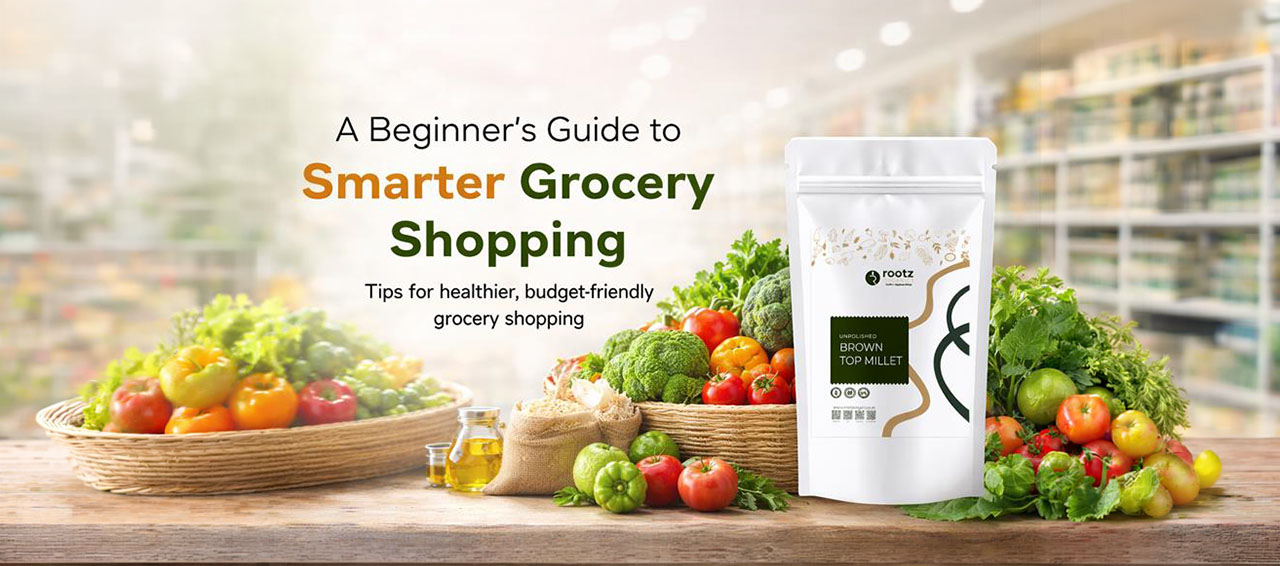
A Beginner’s Guide to Smarter Grocery Shopping
Grocery shopping is no longer just about filling your cart with essentials. In today’s health-conscious world, it is about making informed decisions that support nutrition, sustainability, and long-term wellness. With the rise of digital platforms and growing awareness about clean eating, Indian families are increasingly shifting toward smarter grocery habits that balance quality, affordability, and convenience.
Whether you are a working professional, a parent managing household meals, or someone starting a healthier lifestyle journey, smarter grocery shopping can significantly improve your food choices and reduce waste. This beginner-friendly guide explains practical strategies to help you shop wisely, select healthier ingredients, and make the most of modern solutions like Online Organic Grocery platforms.
By following the principles shared in this guide, you can transform your weekly grocery routine into a structured, efficient, and health-focused process that supports both your family’s well-being and your monthly budget.
What Does Smarter Grocery Shopping Really Mean?
Smarter grocery shopping is the practice of planning purchases carefully, selecting nutritious foods, avoiding unnecessary spending, and prioritizing quality ingredients. It involves understanding food labels, choosing seasonal produce, and selecting reliable sources that offer clean and safe products.
In India, where food traditions are deeply rooted in regional ingredients and cooking methods, smarter shopping also means respecting traditional wisdom while embracing modern convenience. It encourages consumers to choose foods that are wholesome, minimally processed, and suitable for their dietary needs.
For beginners, smarter grocery shopping starts with small changes—making a shopping list, comparing product labels, and choosing trusted brands that emphasize transparency and quality.
Why Smarter Grocery Shopping Matters for Indian Families
1. Improves Health and Nutrition
Healthy eating begins with healthy ingredients. When families prioritize nutrient-rich foods such as whole grains, fresh vegetables, pulses, and natural oils, they support better immunity, digestion, and energy levels. Smart shopping ensures that the foods entering your kitchen contribute positively to your daily nutrition.
2. Saves Time and Reduces Stress
Planning your groceries in advance prevents last-minute store visits and reduces the stress of deciding meals daily. Organized shopping routines help households manage busy schedules efficiently.
3. Helps Manage Monthly Budgets
Impulse buying is one of the biggest reasons for overspending on groceries. Smarter shopping habits—such as buying in bulk, choosing seasonal produce, and tracking expenses—help families maintain financial discipline.
4. Supports Sustainable Living
Choosing responsibly sourced products encourages environmentally friendly farming practices and reduces food waste. Sustainable shopping contributes to long-term ecological balance.
Step-by-Step Guide to Smarter Grocery Shopping for Beginners
Create a Weekly Meal Plan
A weekly meal plan is the foundation of smart grocery shopping. It helps you determine exactly what ingredients you need and prevents unnecessary purchases. Planning meals in advance also ensures balanced nutrition for the entire family.
Start by listing breakfast, lunch, dinner, and snack options for the week. Include a mix of grains, vegetables, fruits, and proteins to maintain dietary variety.
Prepare a Detailed Shopping List
Once your meal plan is ready, create a structured shopping list. Organize items into categories such as vegetables, grains, dairy, and pantry essentials. A clear list reduces confusion and ensures efficient shopping.
Digital grocery apps and organized platforms offering Organic Food Products Online make it easier to track items and reorder essentials quickly.
Check Your Pantry Before Shopping
Always review your existing pantry supplies before heading to the store. This simple habit prevents duplicate purchases and helps you use ingredients efficiently.
Inventory checks also encourage better storage management and reduce food waste.
Understanding Food Labels: A Key Skill for Smart Shoppers
Reading food labels is one of the most important skills for smarter grocery shopping. Labels provide essential information about ingredients, nutritional value, and product quality.
Look for Clean Ingredients
Choose products with simple and recognizable ingredients. Avoid items with excessive additives, artificial flavors, and preservatives.
Check Expiry and Manufacturing Dates
Freshness is critical for food safety. Always verify manufacturing and expiry dates before purchasing packaged products.
Understand Nutritional Information
Pay attention to calories, sugar content, protein levels, and dietary fiber. Balanced nutrition helps maintain energy and overall health.
Choosing Fresh Produce: Tips for Selecting Quality Fruits and Vegetables
Fresh produce is the backbone of a healthy diet. Knowing how to identify quality fruits and vegetables ensures better taste, nutrition, and shelf life.
Buy Seasonal Produce
Seasonal fruits and vegetables are naturally fresher, more nutritious, and more affordable. They are harvested at peak ripeness and require fewer preservatives.
Inspect Appearance and Texture
Choose produce that looks vibrant and firm. Avoid items with bruises, discoloration, or unusual odors.
Consider Trusted Sources
Reliable platforms offering Organic Vegetables Online provide carefully sourced produce grown without harmful chemicals. These options are especially beneficial for families prioritizing safe and natural food choices.
Smart Shopping for Special Dietary Needs
Modern households often include members with specific dietary requirements such as gluten intolerance, diabetes, or vegan preferences. Smarter grocery shopping involves selecting products that meet these needs without compromising nutrition.
Gluten-Free and Millet-Based Diets
Millets are gaining popularity in India due to their high fiber content and low glycemic index. They support digestion, weight management, and sustained energy levels.
Exploring reliable sources for Organic Millets Online allows consumers to incorporate traditional grains like ragi, bajra, and jowar into everyday meals.
Healthy Options for Children
Children require nutrient-dense foods to support growth and development. Parents should prioritize natural and minimally processed options.
Choosing certified Organic Baby Food ensures that infants receive safe and chemical-free nutrition during critical developmental stages.
Benefits of Shopping from Online Organic Grocery Platforms
The digital transformation of the grocery industry has made healthy shopping more accessible than ever. Online platforms provide convenience, variety, and reliable quality assurance.
Convenience and Time Efficiency
Online grocery services allow customers to browse products, compare prices, and place orders from the comfort of their homes. Scheduled deliveries save valuable time for busy households.
Access to Wider Product Selection
Online stores often offer a broader range of organic and specialty products compared to traditional retail outlets.
Reliable Quality and Transparency
Trusted platforms maintain strict quality standards and provide detailed product information, helping customers make informed decisions.
Budget-Friendly Strategies for Smarter Grocery Shopping
Buy in Bulk for Essentials
Purchasing staple items such as grains, pulses, and cooking oils in bulk reduces overall costs and ensures consistent supply.
Compare Prices Before Buying
Price comparison helps identify the best value for money without compromising quality.
Avoid Shopping When Hungry
Shopping on an empty stomach often leads to impulse purchases. Eating before grocery shopping helps maintain focus and discipline.
Reducing Food Waste Through Smart Grocery Habits
Food waste is a significant issue in many households. Smarter grocery shopping helps reduce waste and promotes responsible consumption.
Store Food Properly
Proper storage extends shelf life and maintains freshness. Use airtight containers for dry goods and refrigerate perishable items promptly.
Use Leftovers Creatively
Leftover vegetables can be transformed into soups, curries, or stir-fries, minimizing waste.
Practice Portion Control
Cooking appropriate quantities prevents excess food from being discarded.
How Smarter Grocery Shopping Supports Long-Term Health
Consistent healthy eating habits contribute to improved immunity, better digestion, and enhanced energy levels. When families choose nutritious ingredients regularly, they build a strong foundation for lifelong wellness.
Smarter grocery shopping also encourages mindful eating and balanced diets, reducing the risk of lifestyle-related health issues such as obesity and diabetes.
The Future of Grocery Shopping in India
The Indian grocery market is rapidly evolving, driven by technology, changing consumer preferences, and increasing awareness about health and sustainability.
Urban and semi-urban consumers are adopting digital solutions that combine convenience with quality. The growing popularity of organic products reflects a shift toward healthier lifestyles and responsible consumption.
As awareness continues to grow, smarter grocery shopping will become an essential life skill for households across the country.
Conclusion: Start Your Smarter Grocery Journey Today
Smarter grocery shopping is not about perfection—it is about making informed choices that support health, save money, and reduce waste. By planning meals, reading labels, choosing fresh ingredients, and using reliable sources, families can transform their daily routines into healthier and more efficient habits.
For beginners, the key is to start small and stay consistent. Over time, these simple practices become natural routines that improve both nutrition and lifestyle quality.
Adopting smarter grocery habits today is an investment in your family’s health, financial stability, and long-term well-being.
Frequently Asked Questions (FAQs)
1. What is smarter grocery shopping?
Smarter grocery shopping involves planning purchases carefully, selecting nutritious foods, comparing prices, and avoiding unnecessary spending. It focuses on improving health, saving money, and reducing food waste.
2. How can beginners start grocery shopping more efficiently?
Beginners can start by creating a weekly meal plan, preparing a shopping list, checking pantry inventory, and choosing reliable stores that provide fresh and quality products.
3. Why is buying seasonal produce important?
Seasonal produce is fresher, more nutritious, and often more affordable. It supports local farmers and reduces the need for preservatives.
4. Are online grocery platforms safe for buying food?
Yes, reputable online grocery platforms maintain strict quality standards, provide detailed product information, and ensure hygienic packaging and delivery.
5. How does smarter grocery shopping help reduce food waste?
Planning meals, storing food properly, and buying only necessary quantities help households minimize waste and use ingredients more efficiently.
-
 August 6th, 2026
 -
 August 6th, 2026