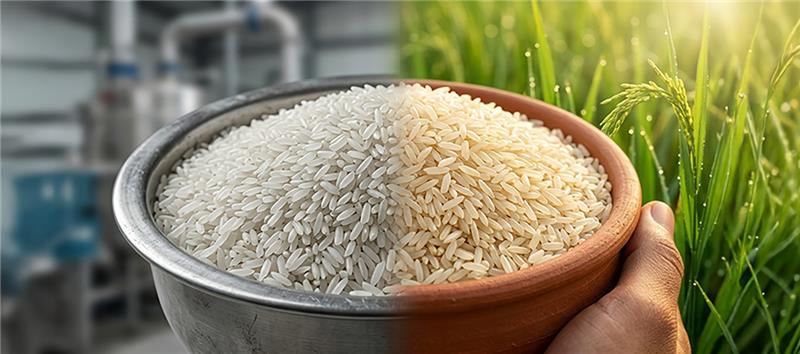
Why Organic Rice is Better Than Regular Rice: Hidden Chemicals You Should Know
Introduction: India's Most Beloved Staple Has a Hidden Problem
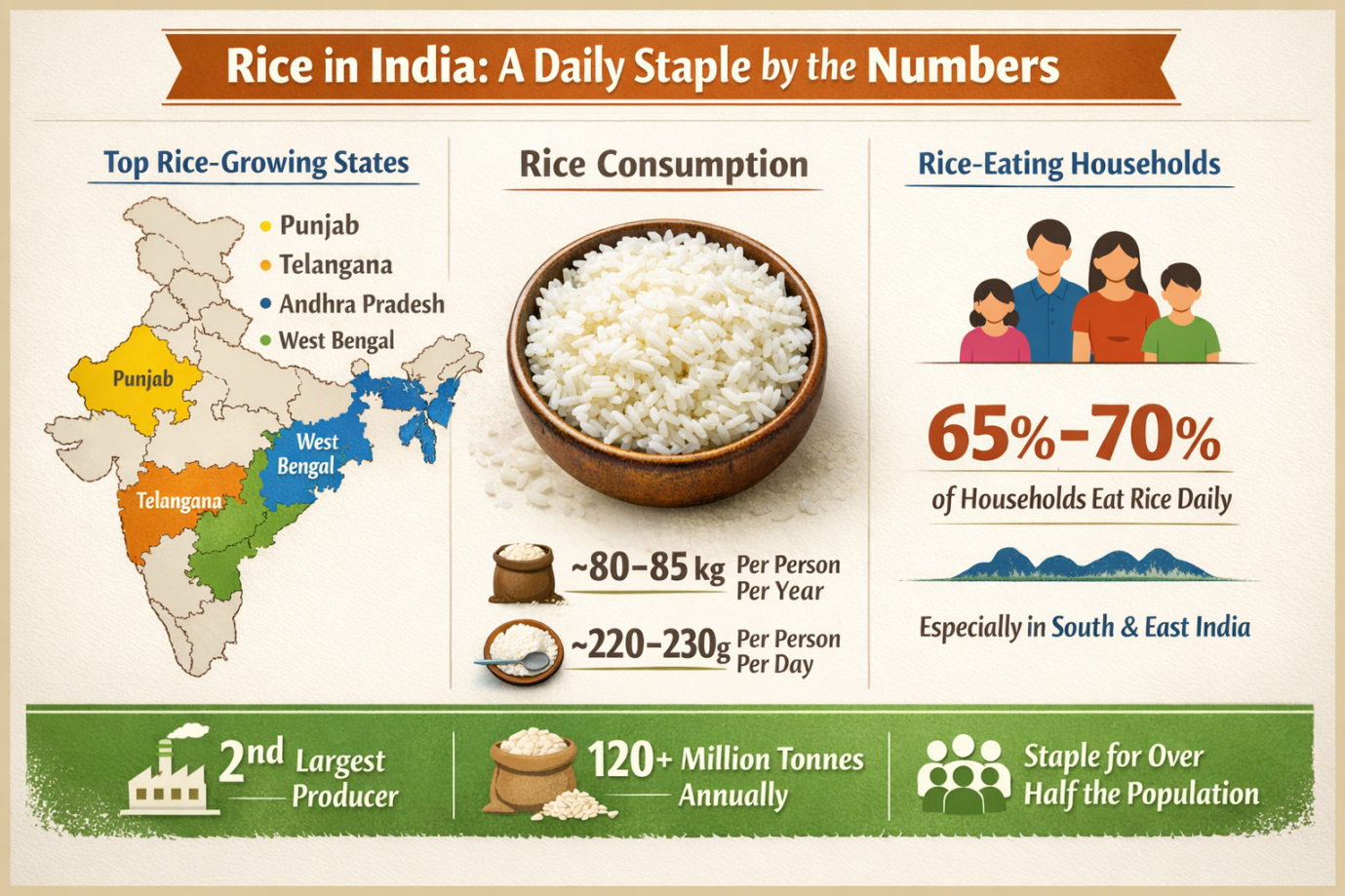
Dal-chawal. Rajma-chawal. Curd rice. Rice is not just food in India…it is emotion, culture, and comfort on a plate. India is one of the world's largest producers and consumers of rice, with an average Indian eating approximately 6.8 kg of rice per month. For millions of families from Punjab to Kerala, rice shows up on the table at least once a day, every single day.
But here is a question most of us have never stopped to ask:
What exactly are we eating along with that rice?
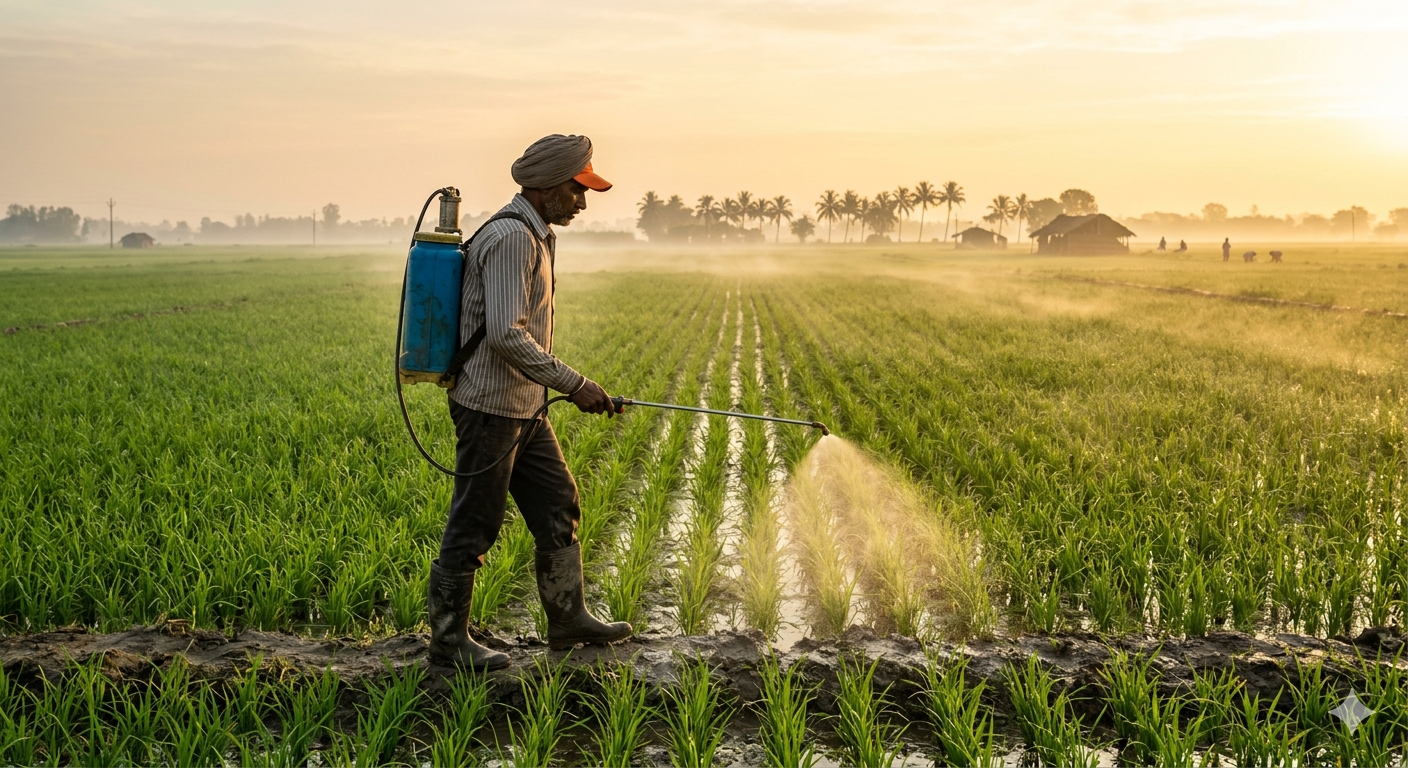
The uncomfortable truth is that conventionally grown rice , the kind sold in most kirana stores and supermarkets across the country is one of the most chemically treated crops in India. From the field to your plate, regular rice passes through a web of synthetic pesticides, chemical fertilisers, post-harvest fumigants, and polishing agents that most consumers are completely unaware of.
This isn't about fear-mongering. This is about knowing what goes into your body and your child's body… Every single day.
What's Really in Your Regular Rice? The Simple Truth
When you pick up that common white rice packet from the market, you are likely getting the end product of a process that involves multiple rounds of chemical intervention. Not because farmers are careless, but because the system that produces cheap, shelf-stable, picture-perfect rice has come to depend on it.
Here is what typically happens between the farm and your kitchen, explained simply:
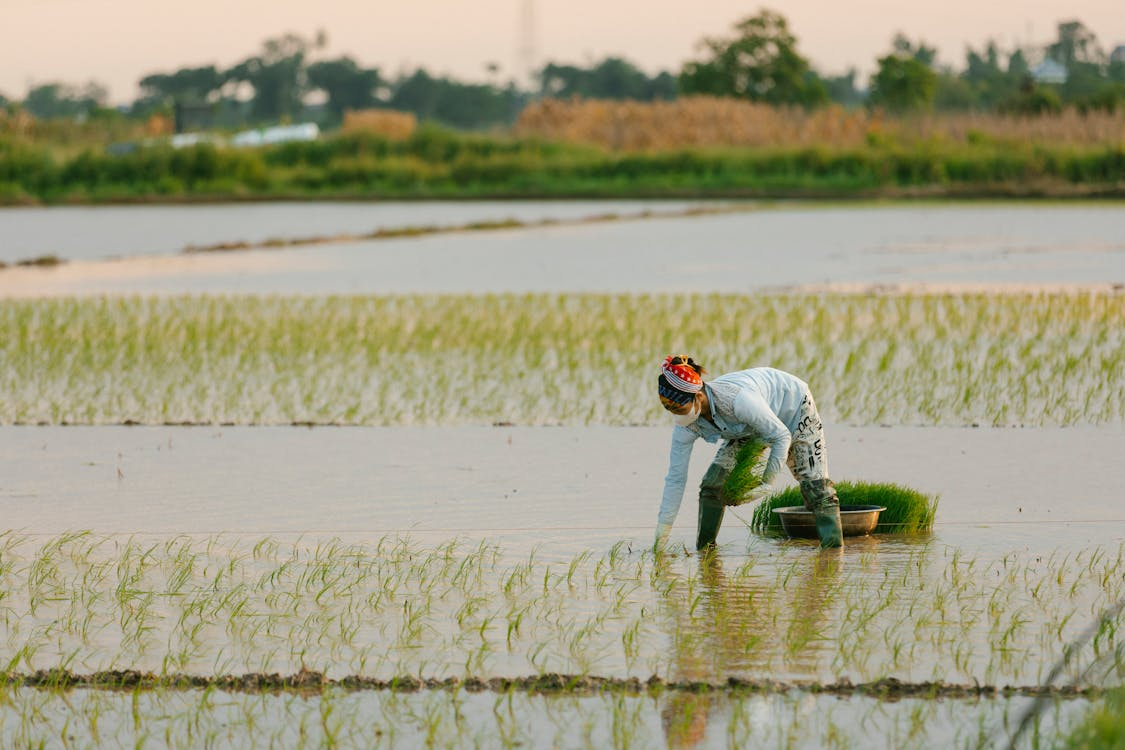
In the field - rice crops are sprayed with pesticides multiple times a season to protect against insects and disease. Many of these chemicals are so potent that several European countries have banned or severely restricted their use, yet they remain common practice in Indian agriculture. The residue does not always wash off. Some of it stays in the grain.
In the soil - decades of synthetic fertiliser use have stripped farmland of its natural nutrients and beneficial microorganisms. The result is grain grown in tired, chemically dependent earth, which affects both what the rice contains and what it lacks.
After harvest - stored rice is often treated with fumigants to keep pests away during long storage periods. Again, this is practical for commercial supply chains, but not something most consumers know is happening to their food.
During milling - that bright white appearance most of us associate with "clean" rice is actually achieved through industrial polishing processes. In some cases, additives are used to make the grain look whiter and more premium than it actually is. Adulterated rice treated with compounds to mimic premium quality has been seized by food safety authorities in multiple Indian states in recent years.
None of this is visible when you open the packet. It has no smell. The rice looks perfectly fine. That is exactly what makes it worth paying attention to.
What Does This Mean for Your Family's Health?
No single meal is the problem. The concern is something much quieter: what happens when the same food, carrying tiny traces of these substances, lands on your table every single day for years.
Think of it this way. A drop of ink in a glass of water is invisible. A drop of ink added to the same glass every day for a year tells a different story.
The human body is resilient and has its own detox systems. But those systems work best when they are not constantly managing a low-grade chemical load. Over time, regular exposure to residues found in conventionally grown rice has been associated with:
Slower development in young children - particularly related to focus, learning, and nervous system function.
Hormonal imbalances - that show up as thyroid irregularities, irregular cycles, or unexplained weight and energy fluctuations. These are issues increasingly reported among Indian adults across age groups.
Digestive and gut health disruptions - since pesticide residues can affect the beneficial bacteria your gut depends on for immunity and overall wellbeing.
Cumulative stress on the liver and kidneys - your body's primary filtration organs, which have to work harder when regularly processing chemical residues.
Children, pregnant women, and the elderly carry the most risk here. Not because they eat more rice, but because their bodies are either still building their defences or have less capacity to filter effectively.
Here is the part that is easy to miss: these effects do not arrive suddenly. There is no single moment where rice makes someone unwell. It is a slow, invisible accumulation that often gets attributed to stress, ageing, or lifestyle, when the answer might be sitting quietly in something as ordinary as what is in your daily meals.
This is not a reason to be afraid. It is a reason to be a little more intentional.
So What Exactly Is Organic Rice?
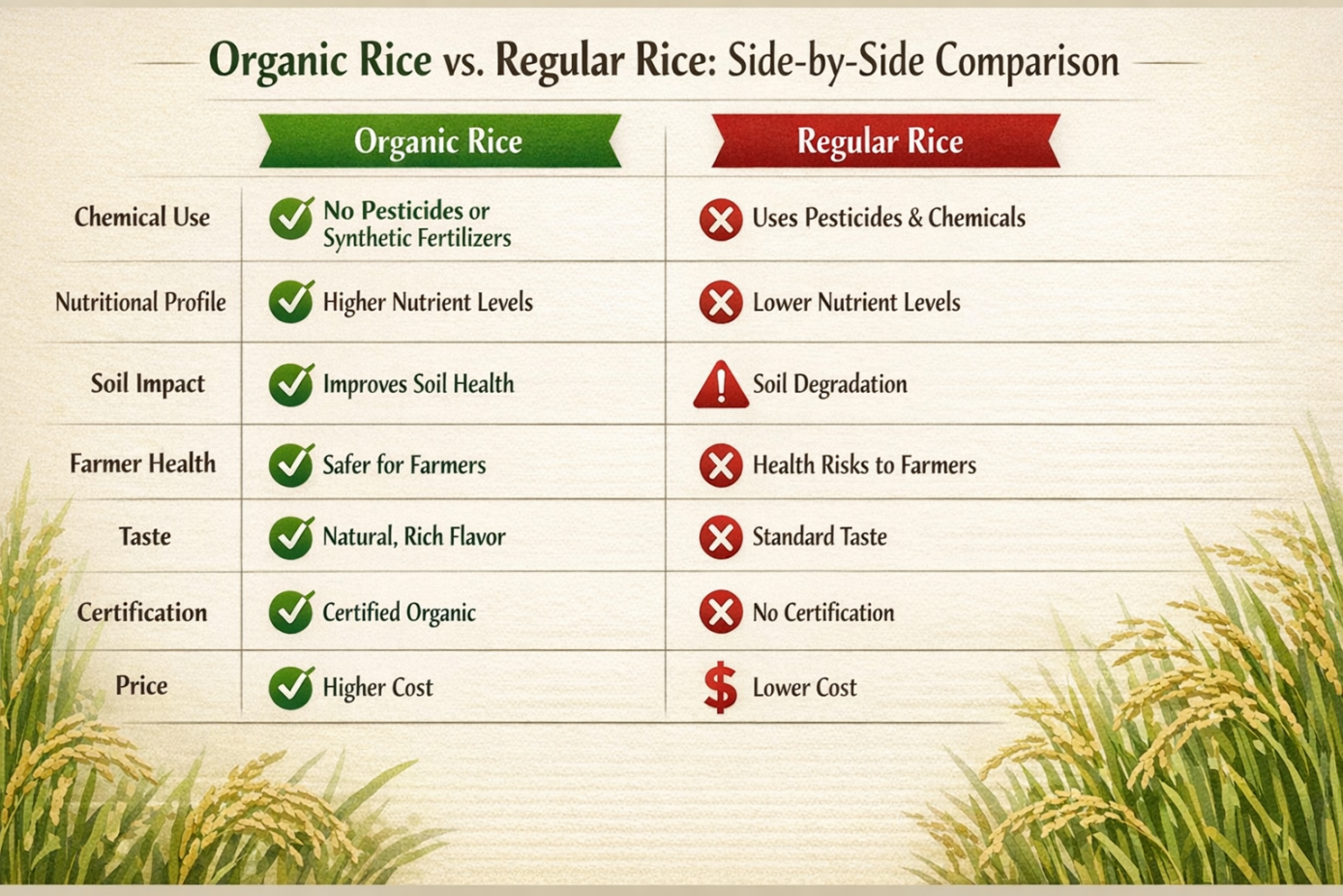
Organic rice is grown without the use of synthetic pesticides, chemical fertilisers, GMOs, or artificial post-harvest treatments. In India, certified organic farming follows guidelines set by the Food Safety and Standards Authority of India (FSSAI) under the Jaivik Bharat programme, and export-grade organic produce follows the National Programme for Organic Production (NPOP) administered by APEDA under the Ministry of Commerce.
What organic farmers do instead:
•Use natural compost and vermicompost instead of synthetic NPK fertilisers
•Deploy neem-based biopesticides and natural predators for pest management instead of chemical sprays
•Cultivate traditional and heritage rice varieties naturally more resilient to pests and climate stress
•Practise water-efficient methods like the System of Rice Intensification (SRI), which is gentler on soil ecology and local water systems
India actually has one of the largest certified organic farming bases in the world, with states like Sikkim (declared fully organic in 2016), Uttarakhand, Madhya Pradesh, and Rajasthan leading the movement. When you buy certified organic rice, you are not just feeding your family better…you are supporting a more sustainable, farmer-friendly food system.
The Nutritional Edge of Organic Rice
Beyond being chemical-free, organic rice…especially when it is unpolished or semi-polished carries a measurably superior nutritional profile:
•Higher antioxidant levels: Organic farming triggers the natural plant defence response in crops, which means more polyphenols and flavonoids in the grain compounds that help fight inflammation and oxidative stress in your body.
•Better mineral retention: Without aggressive chemical processing and industrial polishing, organic rice retains natural iron, zinc, magnesium, and phosphorus that your body actually needs.
•Preserved bran and germ: Most organic rice is less aggressively milled, keeping the bran layer and germ intact…the parts richest in dietary fibre, B-vitamins, and healthy fats.
•Richer, more authentic taste: Anyone who has cooked with heritage organic varieties like Sona Masoori, Gobindobhog, Indrayani, or red Matta rice from Kerala will immediately tell you, the aroma and depth of flavour are incomparably better than commercially polished white rice.
Research published in peer-reviewed journals consistently shows that organically grown grains have higher levels of certain antioxidants and significantly lower concentrations of toxic metal contamination compared to their conventional equivalents.
"But Isn't Organic Rice More Expensive?"
This is the most common question and it deserves a completely honest answer. Yes, certified organic rice can cost 20–50% more than regular rice. But let's put that in real perspective: a 5 kg bag of good organic rice, for a family eating rice once daily, typically lasts 3–4 weeks. The actual cost difference per meal, per person, often comes down to less than ₹5–₹10.
Now compare that to:
•A single paediatrician visit for your child: ₹500–₹1,500
•A basic thyroid function test: ₹400–₹800
•Monthly medication for a lifestyle disease: ₹1,000–₹5,000 and upwards
The real question is not whether you can afford organic rice. The real question is whether you can afford not to make the switch.
Additionally, buying organic directly benefits Indian organic farmers who work without chemical shortcuts, reduces toxic runoff into rivers and groundwater, and helps rebuild soil health for future generations…making it an investment that extends well beyond your kitchen.
How to Buy the Right Organic Rice in India
Navigating the market can feel confusing, but these practical pointers will help:
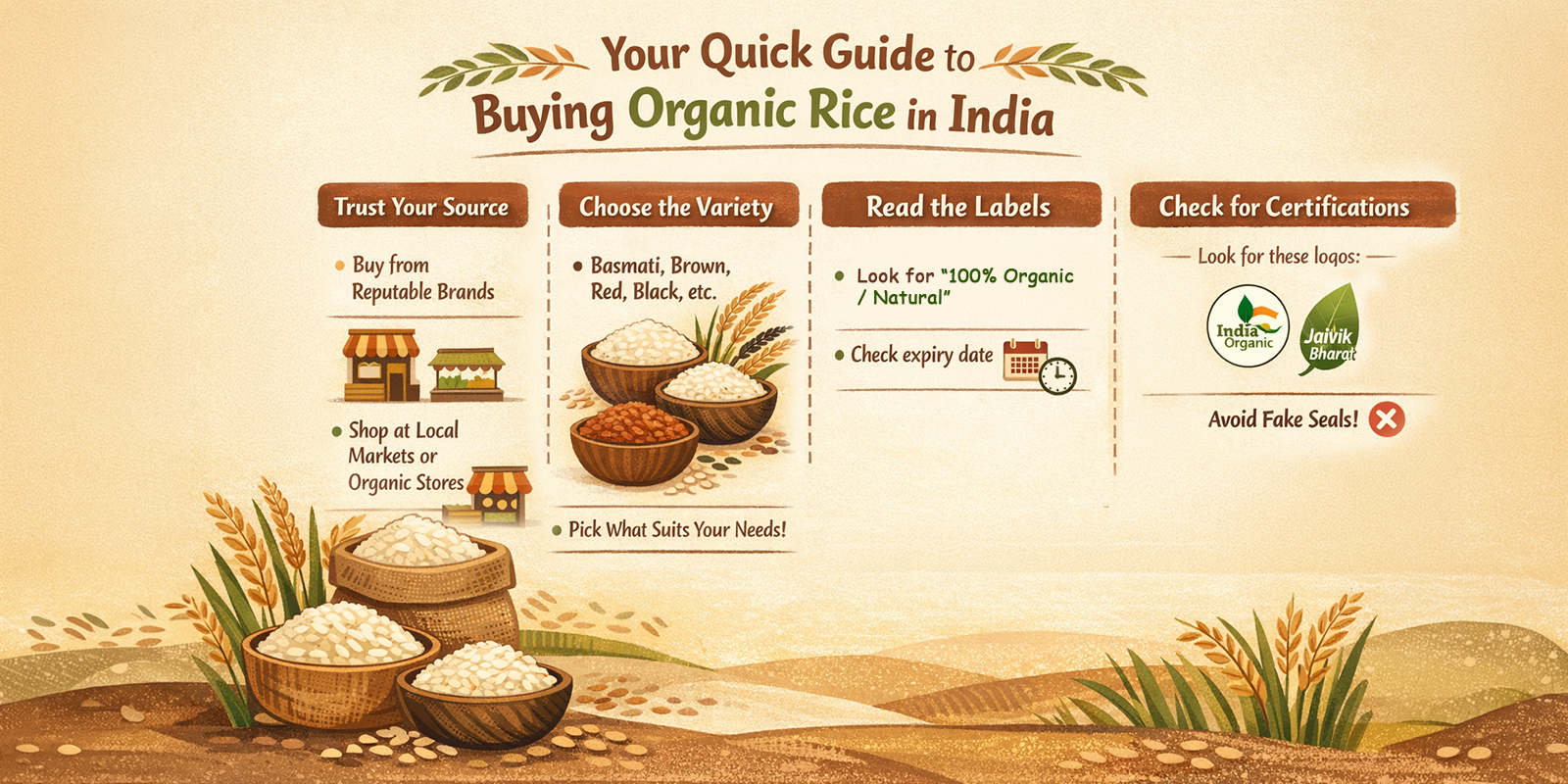
•Look for the Jaivik Bharat logo - India's official national organic product mark, backed by FSSAI. It's your most reliable indicator of genuine certification.
•Check for NPOP certification on the packaging, especially for premium or export-grade organic rice brands.
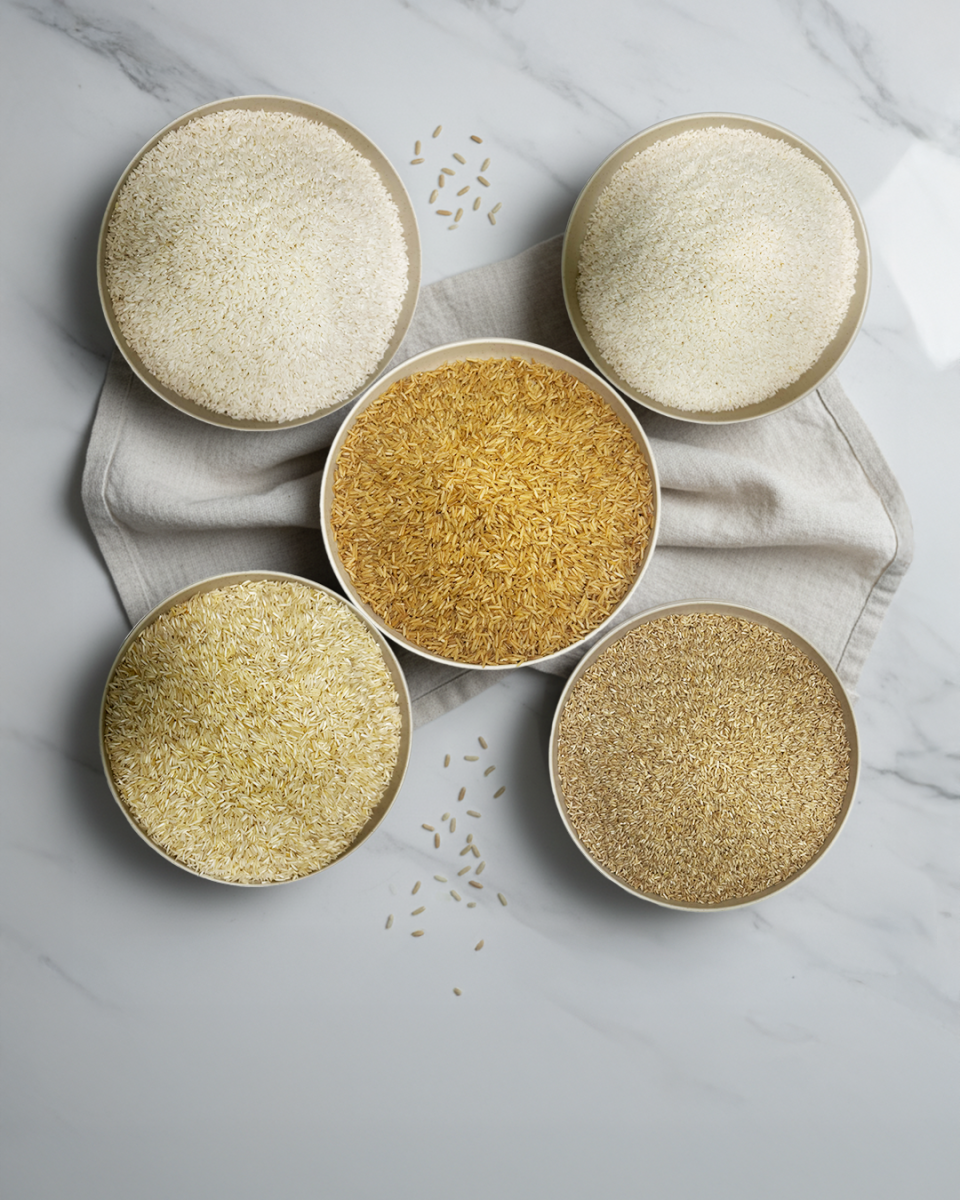
•Choose unpolished or hand-pounded varieties where possible, less processing means more nutrition is retained in the grain.
•Buy from brands with transparent sourcing — reputable organic brands clearly state the farm origin, state, and often the variety of rice. If a brand is vague about where its rice comes from, that is a red flag. At Rootz Organics, transparent sourcing is not a marketing claim… it is the foundation of everything we do. Every product traces back to a verified Indian farm, and we believe you should always know exactly where your food comes from before it reaches your table.
•Explore heritage varieties - India has dozens of native organic rice varieties that are both nutritionally superior and deeply tied to regional food culture. Ask for them.
Conclusion: One Small Switch, One Big Difference
Every grain of rice you choose is a vote for the kind of food system you want, for the health of your family, and for the farmers who grow with integrity.
Switching to organic rice doesn't mean overhauling your entire life overnight. It is one of the simplest, most high-impact changes an Indian household can make. The dal-chawal you grew up loving can still be your daily comfort just cleaner, safer, and more nourishing than ever before.
Your plate is powerful. Use it wisely.
Ready to Make the Switch?
Rootz Organics brings you certified organic rice, sourced directly from verified Indian farms, rigorously tested for purity, and delivered fresh to your doorstep.
Explore Our Organic Rice Range |certified, genuinely clean. Because your family deserves food that's as pure as your love for them.
FAQs
Q: Is organic rice really chemical-free?
A: Certified organic rice is grown without synthetic pesticides, chemical fertilisers, or GMOs, and must pass third-party testing to carry official certification in India.
Q: Which organic rice varieties are best for Indian cooking?
A: Popular choices include organic Sona Masoori, organic Basmati, organic red rice (Matta), organic brown rice, and heritage varieties like Gobindobhog. Each suits different regional dishes.
Q: Does organic rice taste different from regular rice?
A: Most people find organic rice — especially unpolished heritage varieties — to have a noticeably richer, nuttier aroma and deeper flavour compared to commercially milled white rice.
Q: Is organic rice safe for babies and toddlers?
A: Yes — organic rice is widely recommended for infants and toddlers precisely because it avoids the pesticide and heavy metal residues that pose greater risks to young, developing bodies.
Q: How do I know if organic rice is genuinely certified in India?
A: Look for the Jaivik Bharat logo (FSSAI) or NPOP certification on the packaging. Transparent brands will also list farm origin and can provide lab test documentation on request.
-
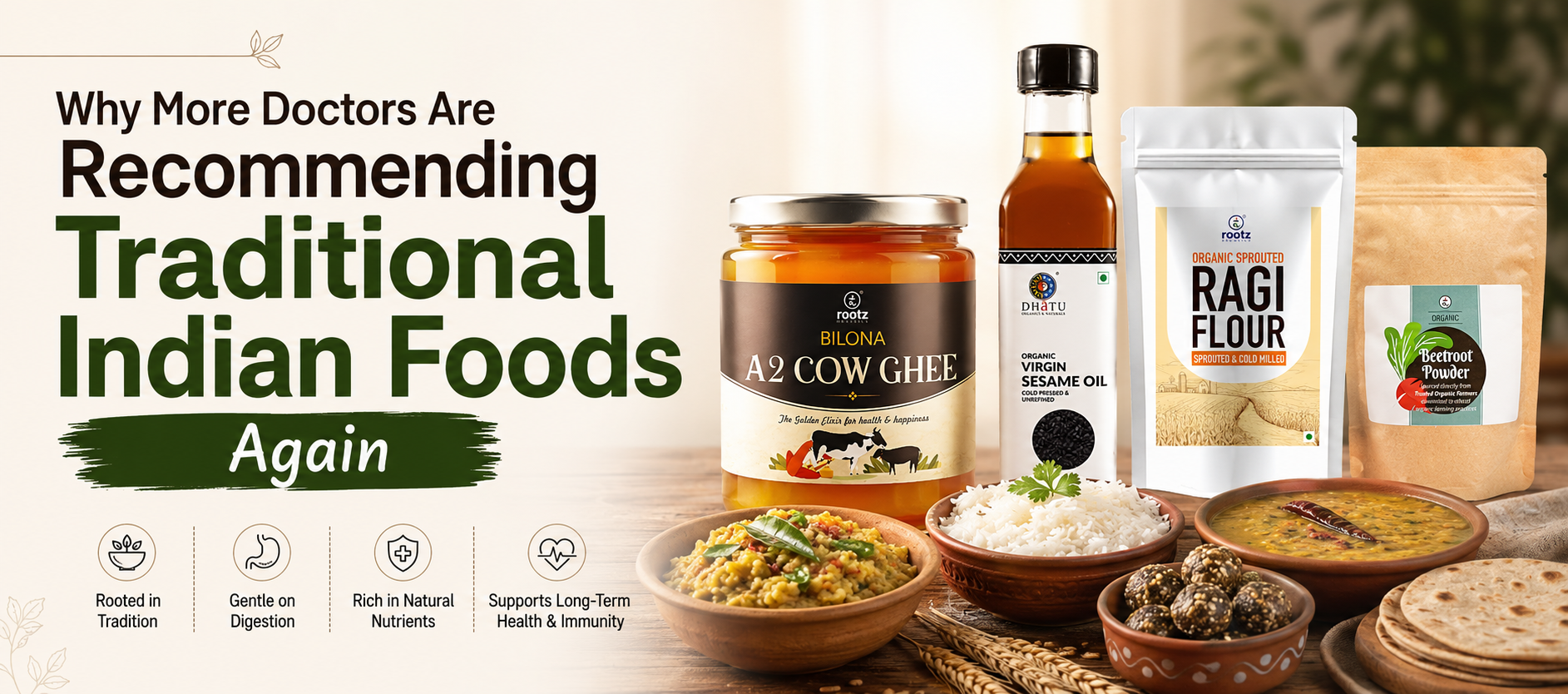
Why More Doctors Are Recommending Traditional Indian Foods Again
July 24th, 2026 -
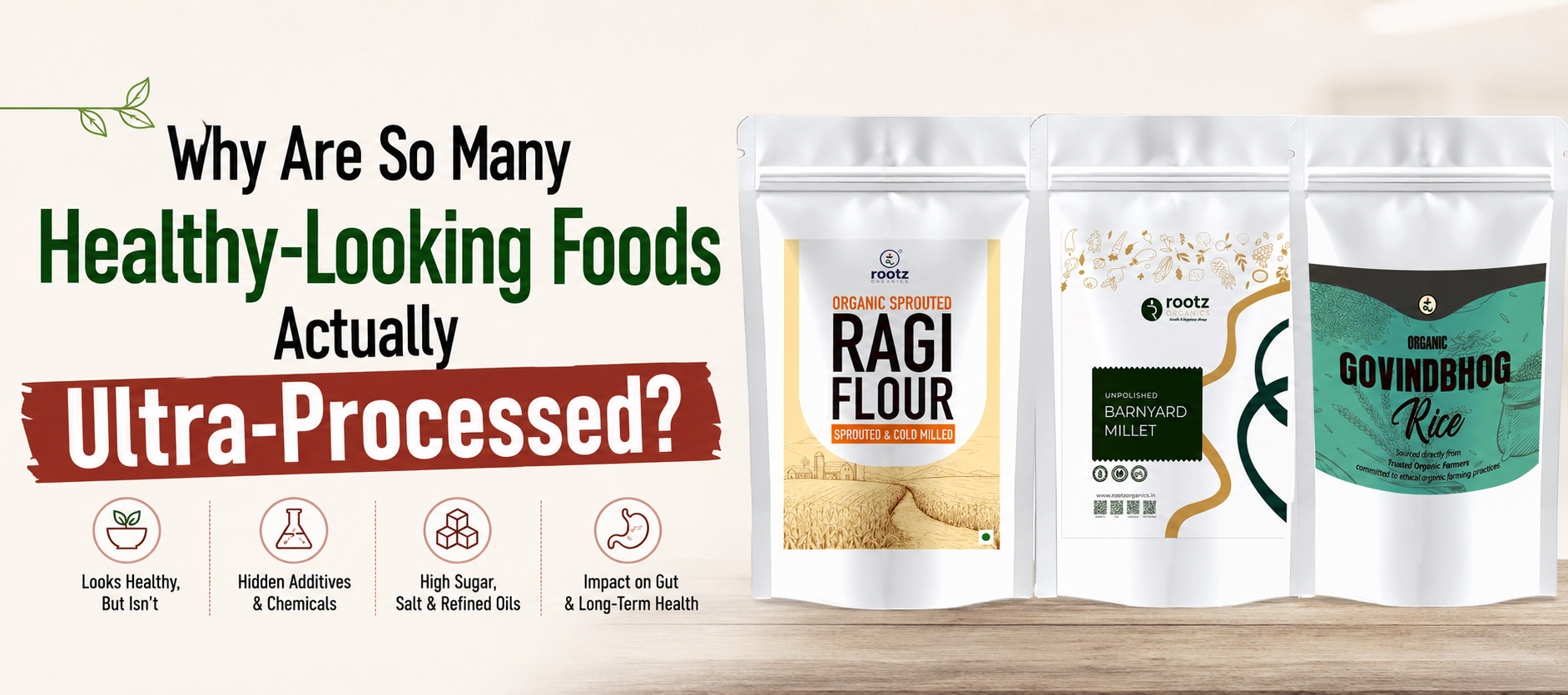
Why Are So Many Healthy-Looking Foods Actually Ultra-Processed
July 24th, 2026 -
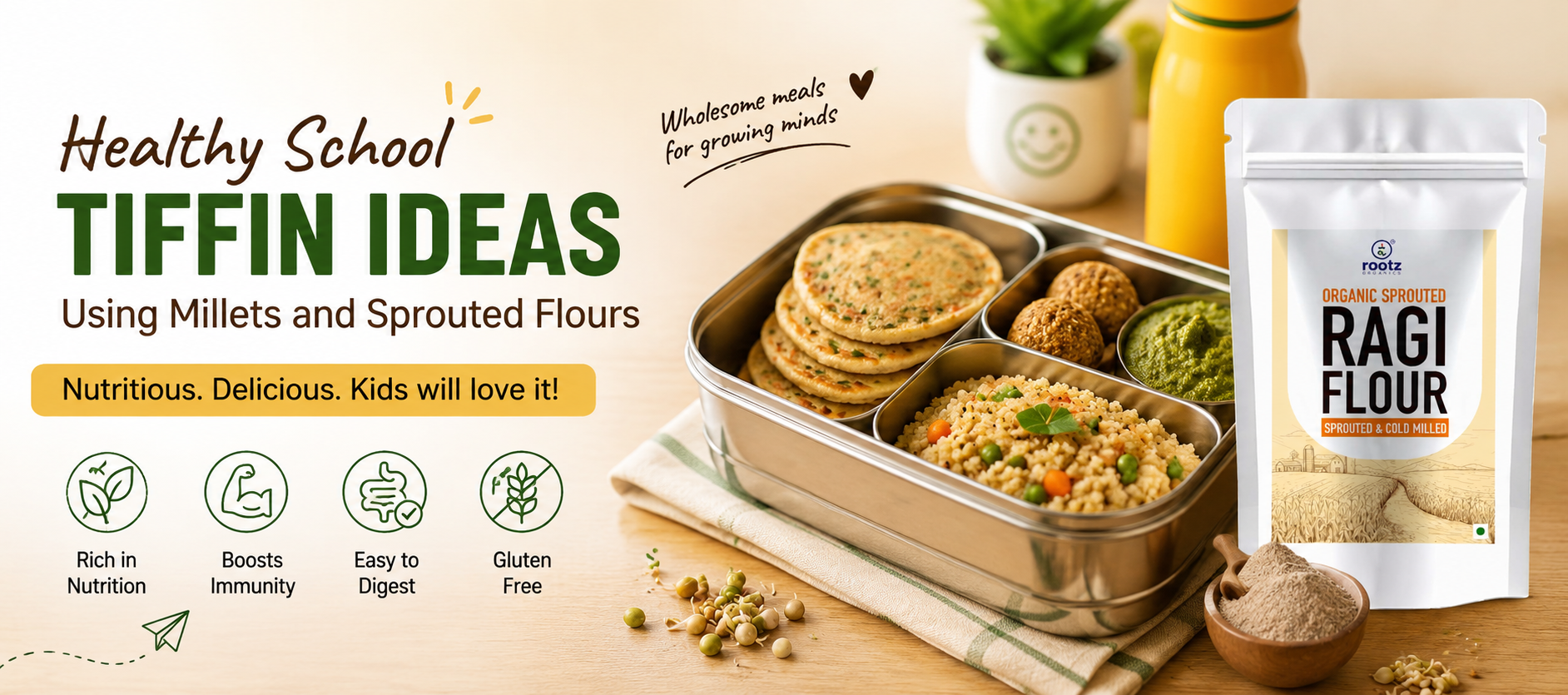
Healthy School Tiffin Ideas Using Millets and Sprouted Flours
July 22nd, 2026 -
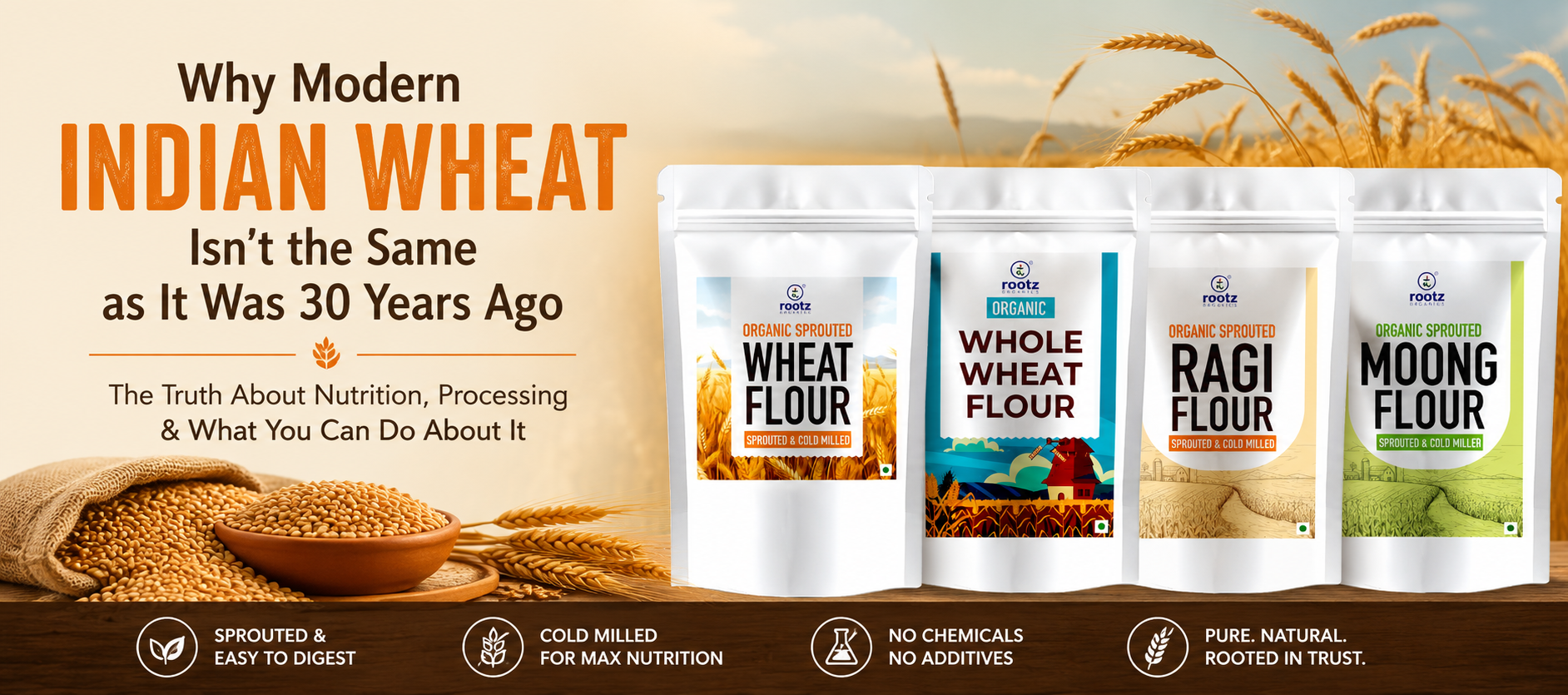
Why Modern Indian Wheat Isn't the Same as It Was 30 Years Ago
July 16th, 2026