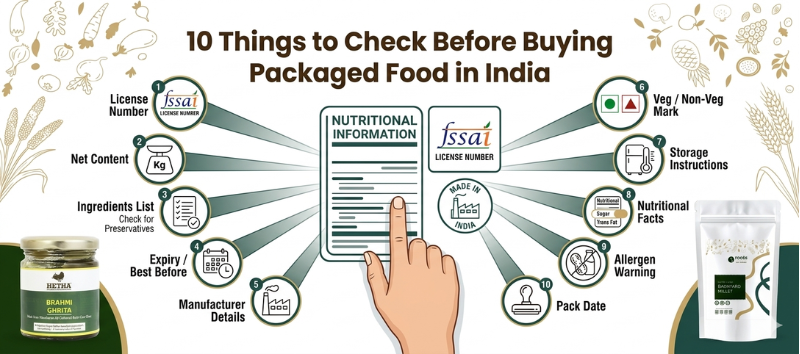
10 Things to Check Before Buying Packaged Food in India
Introduction: The Shift Toward Conscious Consumption in India
In the fast-paced urban lifestyle of modern India, packaged foods have become an inseparable part of our kitchen pantries. From morning cereals to evening snacks, the convenience of "ready-to-eat" or "ready-to-cook" products is undeniable. However, with this convenience comes a significant responsibility for the consumer. As lifestyle diseases like diabetes, hypertension, and obesity rise across the Indian subcontinent, the need to Check Before Buying Packaged Food has never been more critical.
Indian regulatory bodies, specifically the Food Safety and Standards Authority of India (FSSAI), have tightened norms significantly. Yet, the onus remains on us to decode the fine print on the back of the pack. Choosing the right products—whether you are looking for Organic Food Products Online or browsing your local supermarket—requires a keen eye for detail. This guide provides a comprehensive roadmap to navigating the complex world of food labels to ensure your family consumes only the best.
1. Scrutinize the FSSAI Logo and License Number
The first and most fundamental step is to look for the FSSAI logo. In India, any food business operator (FBO) must have a valid license to manufacture or sell food. The presence of the 14-digit license number ensures that the product meets the basic safety standards set by the government. If a package lacks this logo, it is essentially unregulated and could pose serious health risks.
2. Decode the Ingredient List (The Rule of Three)
Ingredients are listed in descending order of their weight. This means the first three ingredients make up the majority of what you are eating. If you are buying "Whole Wheat Biscuits" but the first ingredient is 'Maida' (Refined Flour) or 'Sugar,' the product is misleading.
When searching for Organic Food Online, look for short, recognizable ingredient lists. If you cannot pronounce an ingredient, it is likely a chemical additive or a synthetic preservative. A clean label is a hallmark of high-quality, health-focused nutrition.
3. Identify Hidden Sugars and Artificial Sweeteners
Sugar is often disguised under more than 50 different names. High Fructose Corn Syrup (HFCS), Maltodextrin, Dextrose, Invert Sugar, and Molasses are all forms of sugar that spike insulin levels. Many "healthy" energy bars or juices are loaded with these. For a truly healthy lifestyle, opting for natural alternatives found in Organic Ghee Online or whole fruits is always superior to processed snacks with hidden caloric loads.
4. Check for Trans Fats and Hydrogenated Oils
Trans fats are chemically altered vegetable oils that increase bad cholesterol (LDL) and decrease good cholesterol (HDL). In India, many snacks are fried in poor-quality palm oil or vanaspati. Always check the nutritional table for "Trans Fat." Ideally, this should be zero. For cooking at home, switching to Cold Pressed Oils is a much safer alternative, as these oils retain their natural antioxidants and healthy fatty acids without the chemical processing found in refined variants.
5. Verify "Natural" vs. "Organic" Claims
There is a significant difference between a product labeled "Natural" and one labeled "Organic." In India, "Organic" products must carry the 'Jaivik Bharat' logo, which signifies that the food has been produced without synthetic pesticides or fertilizers. If you are sourcing Organic A2 Ghee, ensure the certification is visible. "Natural" is a marketing term that is often unregulated, whereas "Organic" is a legal standard.
6. Understand the Serving Size vs. Total Content
A common tactic used by manufacturers is to list nutritional values for a "serving size" rather than the whole pack. For example, a bag of chips might list 150 calories per serving, but the bag actually contains three servings. If you eat the whole bag, you've consumed 450 calories. Always calculate the total intake based on the entire weight of the package to avoid accidental overconsumption.
7. Look for the Veg/Non-Veg Mark
In India, the green dot (Vegetarian) and brown dot (Non-Vegetarian) are mandatory. Recently, a new blue logo for "Vegan" products has also been introduced. For those with strict dietary preferences or religious beliefs, this is the quickest way to Check Before Buying Packaged Food to ensure it aligns with your lifestyle.
8. Watch Out for Sodium Levels
Excessive salt (Sodium) is a primary contributor to hypertension. Packaged soups, instant noodles, and frozen meals are notorious for high sodium content. The WHO recommends less than 5g of salt per day for adults. If a single serving of a snack contains more than 20% of your daily sodium requirement, it is best to leave it on the shelf and look for options via an Online Organic Grocery that prioritizes low-sodium, whole-food ingredients.
9. Check the "Best Before" and "Expiry" Dates
While this seems obvious, many consumers confuse "Best Before" with "Expiry." "Best Before" refers to the quality and taste of the food, whereas "Expiry" is a hard deadline for safety. In India’s tropical climate, the shelf life of oils and flours can decrease if not stored properly. Checking these dates ensures you aren't consuming rancid fats or degraded nutrients.
10. Analyze the Marketing "Buzzwords"
Words like "Immunity Boosting," "Fat-Free," or "Multigrain" are often used to create a "Health Halo." A fat-free product might be loaded with extra sugar to compensate for flavor. A multigrain bread might only contain 2% millets. Always cross-verify these claims with the nutritional table and ingredient list to see if the product lives up to the hype.
The Importance of Clean Labeling and Transparency
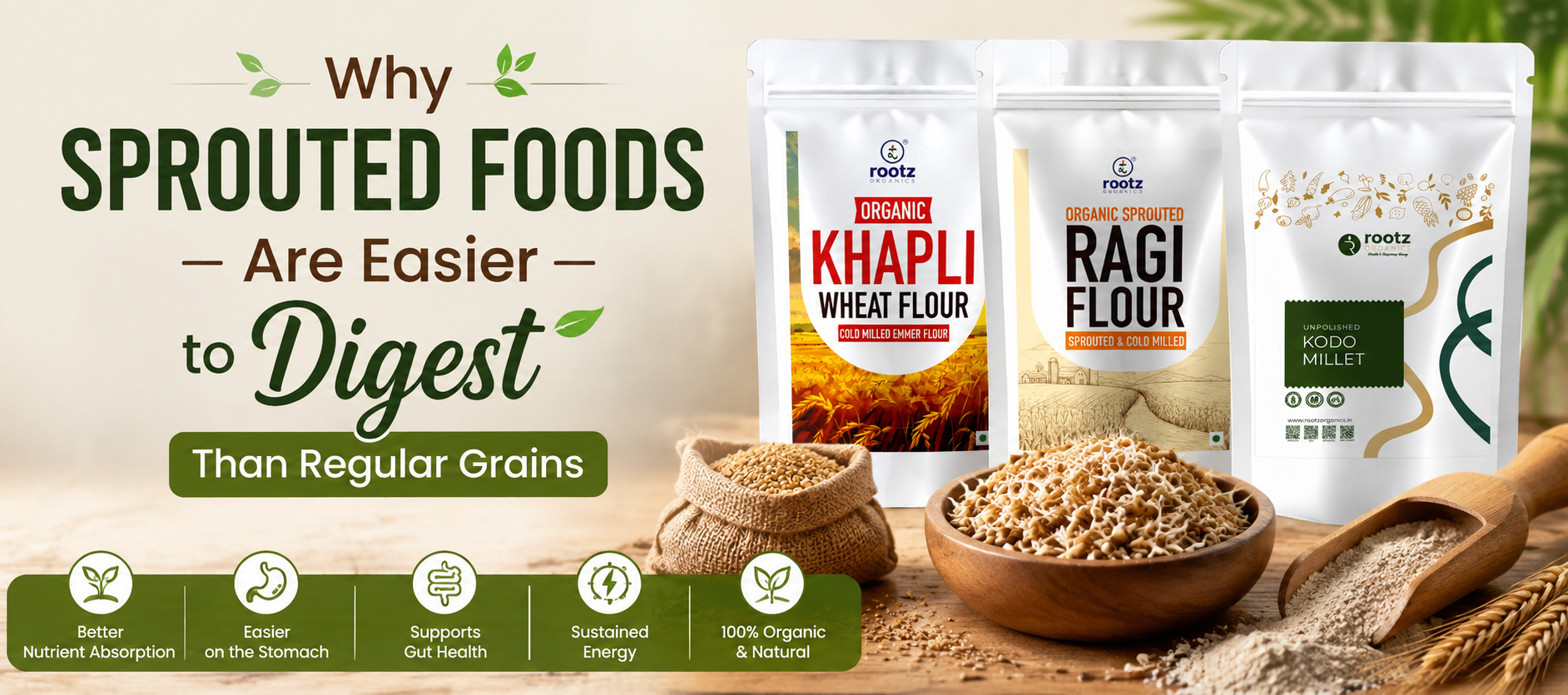
The gap in the Indian market today is not a lack of products, but a lack of transparency. Many legacy brands use fillers to keep costs low. This is where artisanal and organic brands are making a difference. By focusing on "Clean Labels"—products with no preservatives, artificial colors, or synthetic additives—consumers can reclaim their health. Transitioning to a diet rich in sprouted grains, ancient millets, and pure fats like A2 ghee can significantly improve long-term wellness.
Conclusion: Becoming an Informed Consumer
Shopping for groceries is no longer just about filling the cart; it is about making a choice for your long-term health. By taking an extra 30 seconds to read the label, you protect yourself from hidden toxins and empty calories. Whether you are shopping at a physical store or through an Online Organic Grocery, the principles of checking for FSSAI marks, ingredient transparency, and nutritional density remain the same. Start small, read every label, and prioritize quality over quantity.
Frequently Asked Questions (FAQs)
1. What is the most important thing to look for on a food label in India?
The FSSAI logo and license number are the most critical, as they ensure the product meets Indian safety standards. Following this, the ingredient list provides the most insight into the product's actual quality.
2. How can I tell if a product is truly organic in India?
Look for the 'Jaivik Bharat' logo and the 'India Organic' certification mark. These indicate that the product has undergone rigorous testing and certification for organic farming practices.
3. Why are cold-pressed oils better than refined oils?
Cold-pressed oils are extracted at low temperatures without chemicals, preserving their natural nutrients, flavor, and healthy fats. Refined oils use high heat and chemicals, which can strip away nutrition and introduce harmful compounds.
4. Is "Wheat Flour" the same as "Atta"?
Not always on labels. Sometimes "Wheat Flour" can refer to refined flour (Maida). Look for "Whole Wheat Flour" or "Whole Wheat Atta" to ensure you are getting the fiber-rich version of the grain.
5. What does 'No Added Sugar' actually mean?
It means no sucrose (table sugar) was added during processing. However, the product may still contain high amounts of natural sugars from fruit concentrates or other sweeteners like Maltodextrin, so always check the total carbohydrate and sugar count.
-
 August 6th, 2026
 -
 August 6th, 2026