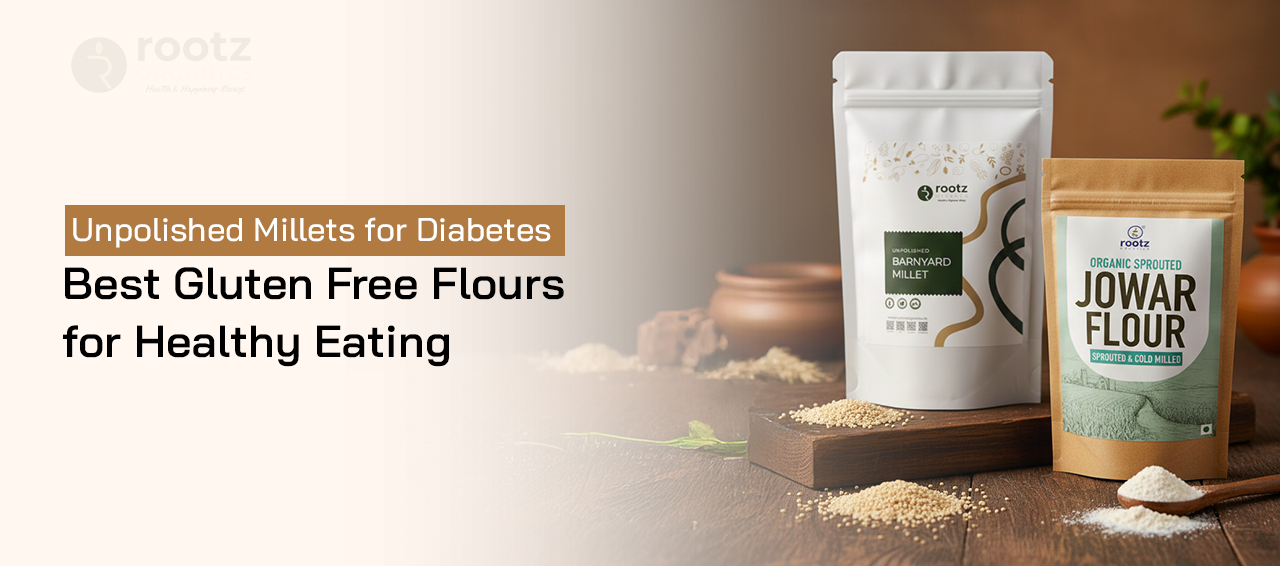
Unpolished Millets for Diabetes: Best Gluten Free Flours for Healthy Eating
Rising cases of diabetes in India have pushed many households to rethink everyday food choices. Refined grains, excess sugar, and highly processed foods are being replaced with traditional, nutrient-dense alternatives that support long-term wellness. Among these, unpolished millets are gaining attention for their ability to balance blood sugar levels while providing sustained energy. When combined with gluten free flours, they create a strong foundation for healthy eating, especially for people managing diabetes and lifestyle-related concerns.
This guide explains why millets matter, how they support diabetic-friendly diets, and how Indian families can include them easily in daily meals.
Understanding Unpolished Millets and Their Nutritional Value
Unpolished millets are whole grains that retain their natural bran and germ. Unlike polished grains, they are not stripped of fibre and essential nutrients during processing. This makes them rich in complex carbohydrates, dietary fibre, plant protein, and minerals such as magnesium and iron.
For Indian diets traditionally based on grains, millets offer a healthier alternative to refined wheat and rice. Their slow digestion rate helps maintain steady blood glucose levels, making them especially relevant for people with diabetes.
Why Unpolished Millets Are Ideal for Diabetes Management
Low Glycaemic Index for Better Blood Sugar Control
One of the main reasons unpolished millets are recommended for diabetics is their low to medium glycaemic index. Foods with a lower glycaemic index release glucose slowly into the bloodstream, preventing sudden sugar spikes after meals.
Including millets in daily meals can support more stable energy levels and better glucose management throughout the day.
High Fibre Content for Improved Digestion
Dietary fibre plays a critical role in slowing carbohydrate absorption. Unpolished millets contain significantly higher fibre compared to refined grains, which helps improve digestion and enhances satiety. This is particularly beneficial for individuals trying to manage weight alongside diabetes.
Gluten Free Flours: A Smart Choice for Modern Indian Diets
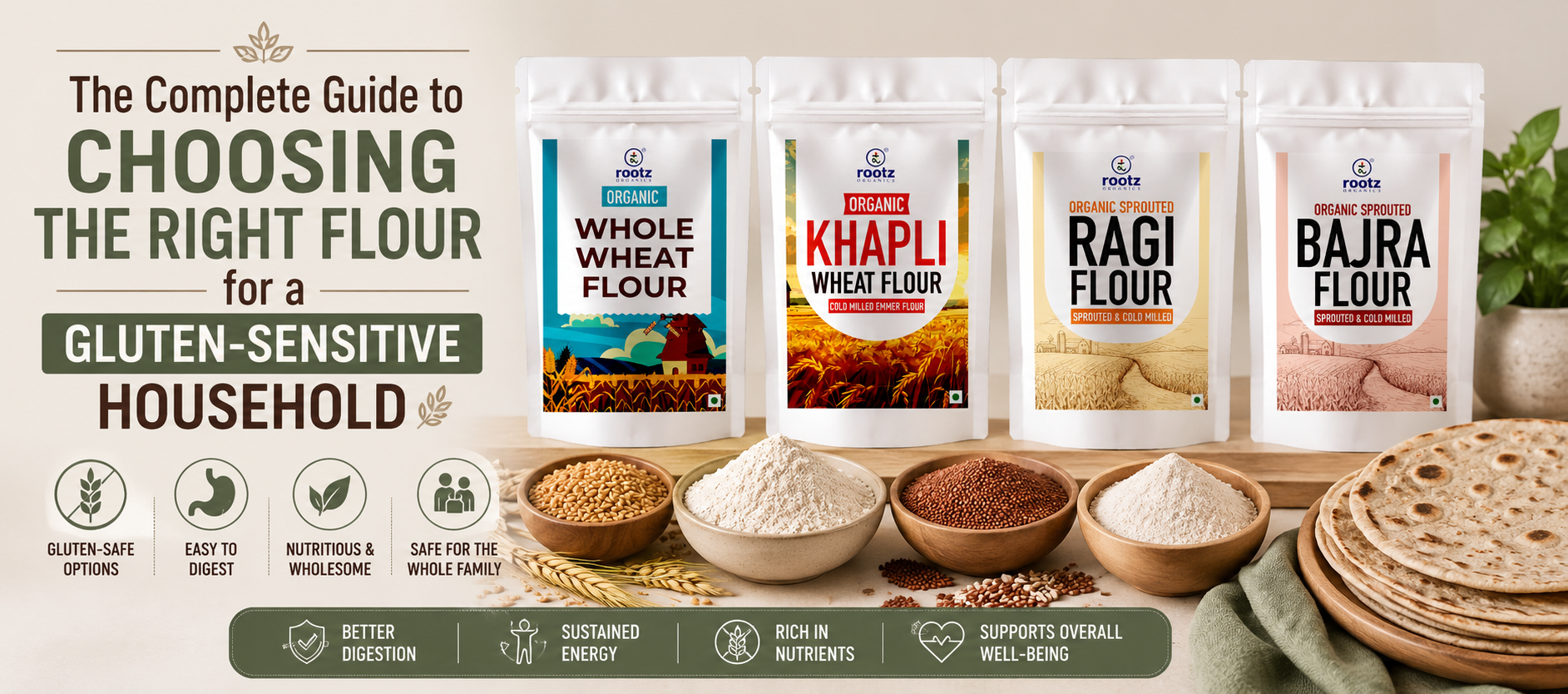
With increasing awareness of gluten sensitivity and digestive health, many families are turning towards gluten free flours. Millets naturally fall into this category, making them suitable for people with gluten intolerance, celiac concerns, or those simply seeking cleaner nutrition.
Gluten free flours derived from millets support gut health and reduce inflammation while maintaining traditional Indian taste and versatility. They can be used to prepare rotis, dosas, porridges, and baked snacks without compromising nutrition.
Popular Millet-Based Gluten Free Flours in India
Ragi Flour for Blood Sugar Balance
Ragi is widely used across South India and is known for its high calcium and fibre content. It helps regulate blood sugar levels and provides long-lasting energy, making it ideal for breakfast meals.
Jowar Flour for Heart and Metabolic Health
Jowar flour supports metabolic health and digestion. Its slow-release carbohydrates make it suitable for lunch or dinner rotis, especially for those reducing refined wheat intake.
Bajra Flour for Sustained Energy
Bajra flour is rich in iron and magnesium and supports insulin sensitivity. It is commonly consumed during winter months and works well for diabetics when combined with vegetables and healthy fats.
How to Include Unpolished Millets in Daily Indian Meals
Adopting millets does not require drastic changes to traditional food habits. Simple substitutions can make meals healthier without losing familiarity.
Replace refined wheat flour with millet-based flour for rotis a few times a week. Choose millet porridge instead of sugary cereals for breakfast. Use millet flours to prepare snacks like cheelas, idlis, or baked goods at home.
For those looking for convenience, sourcing Organic Millets Online ensures access to clean, responsibly sourced grains that align with health-focused lifestyles.
Unpolished Millets and Weight Management for Diabetics
Weight management plays an important role in diabetes control. Unpolished millets promote satiety, reducing unnecessary snacking and overeating. Their nutrient density ensures the body receives essential vitamins and minerals even on calorie-conscious diets.
Including millet-based meals supports balanced nutrition, which is essential for people aiming to manage diabetes naturally through food.
Clean Eating with Organic and Gluten-Free Choices
Modern consumers are increasingly mindful of food sourcing and quality. Choosing Healthy Foods Online allows families to access a variety of millet-based and gluten-free options without compromising on freshness or authenticity.
Organic and clean-label products reduce exposure to chemicals and preservatives, aligning with India’s growing preference for mindful and sustainable consumption.
Choosing the Right Millet Products for Your Family
When selecting millet flours or grains, look for unpolished and minimally processed options. Clean-label products ensure better nutrient retention and safety for daily use.
Trusted platforms offering Organic Food Products Online help consumers make informed choices while enjoying the convenience of home delivery. For urban families, especially in regions like Delhi/NCR, access to fresh, responsibly sourced foods supports long-term wellness goals.
Final Thoughts: Traditional Wisdom for Modern Health
Unpolished millets represent a powerful combination of traditional Indian wisdom and modern nutritional science. Their ability to support blood sugar control, digestive health, and sustained energy makes them an excellent choice for diabetics and health-conscious individuals alike.
When paired with gluten free flours and clean eating practices, millets help create balanced meals suited for today’s fast-paced yet wellness-focused lifestyles. By making mindful food choices, Indian families can move closer to healthier living rooted in authenticity, nutrition, and sustainability.
Frequently Asked Questions
1. Are unpolished millets good for people with diabetes?
Yes, unpolished millets are excellent for diabetics because they have a low to medium glycaemic index and are rich in fibre. They help slow glucose absorption, prevent sudden blood sugar spikes, and support better long-term blood sugar control.
2. Which millet-based gluten free flours are best for diabetes?
Ragi flour, jowar flour, and bajra flour are among the best gluten free flours for diabetes. They provide sustained energy, improve digestion, and help maintain stable blood sugar levels when consumed as part of a balanced diet.
3. How often can diabetics include millets in their daily meals?
Diabetics can safely include millets in one or two meals a day. Rotis, porridge, dosas, or cheelas made from unpolished millets work well when paired with vegetables, protein, and healthy fats.
4. Are gluten free flours better than wheat flour for diabetes management?
Gluten free flours made from millets are often better than refined wheat flour for diabetics because they are higher in fibre and digest more slowly. This helps improve insulin response and reduces post-meal sugar spikes.
5. Why should families choose organic and unpolished millets online?
Buying organic and unpolished millets online ensures better quality, minimal processing, and higher nutrient retention. Trusted platforms offering healthy foods online provide safe, clean-label options suitable for diabetes-friendly diets.
-
 August 6th, 2026
 -
 August 6th, 2026