
Product description
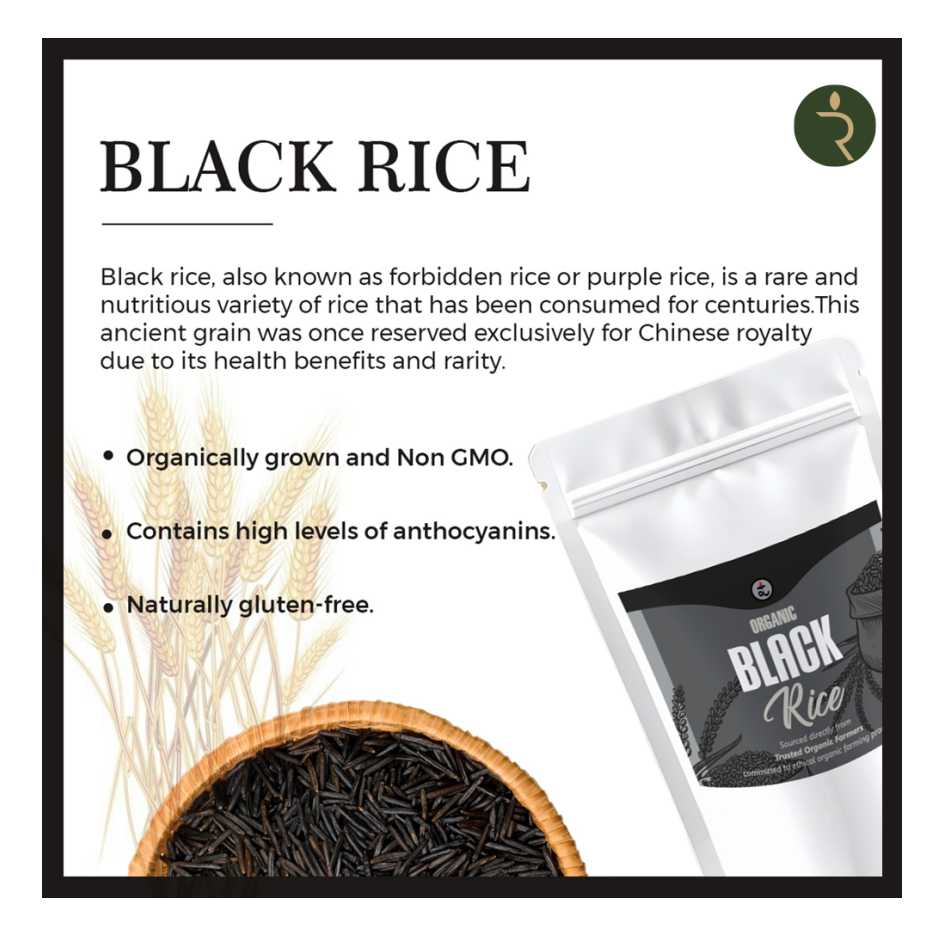
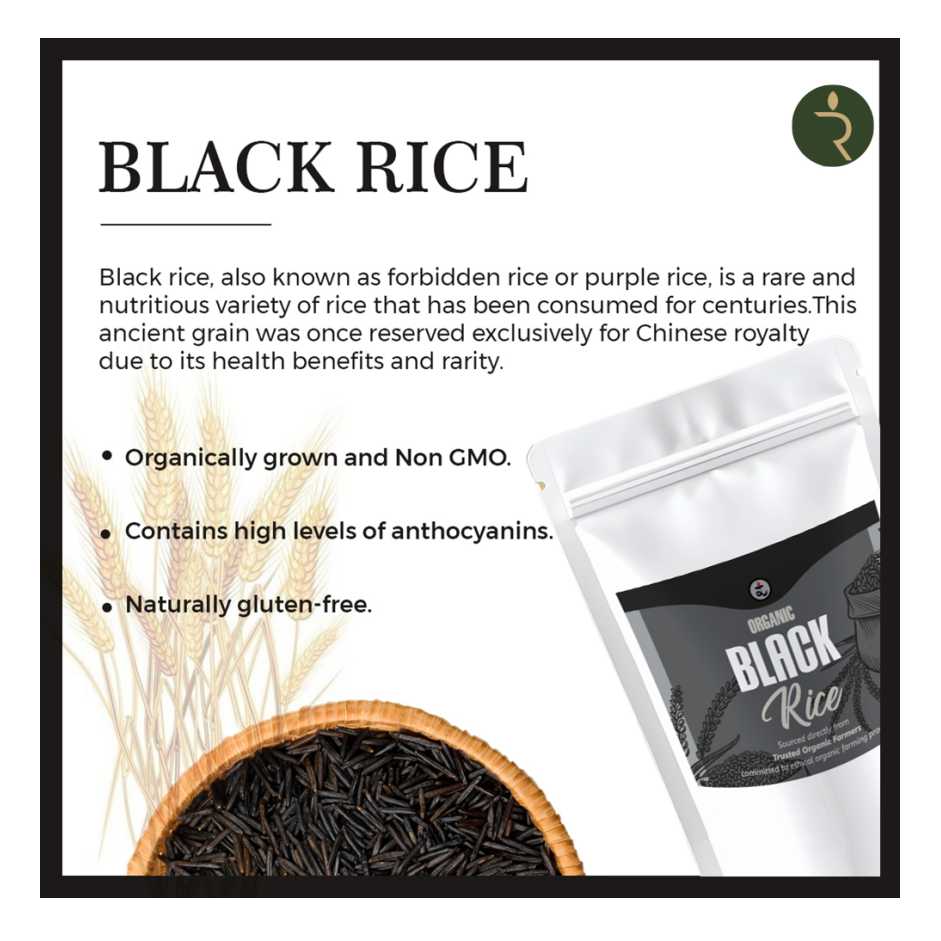
Organic Black Rice, often referred to as “forbidden rice”, is an ancient heirloom grain once reserved for royalty due to its deep color and remarkable nutritional value. Grown organically without synthetic pesticides, fertilizers, or GMOs, this rice is a natural powerhouse of antioxidants, fiber, and plant-based nutrients. With its striking purple-black hue and slightly nutty, earthy flavor, Organic Black Rice adds a bold touch to your plate — both visually and nutritionally.
Benefits of Organic Black Rice
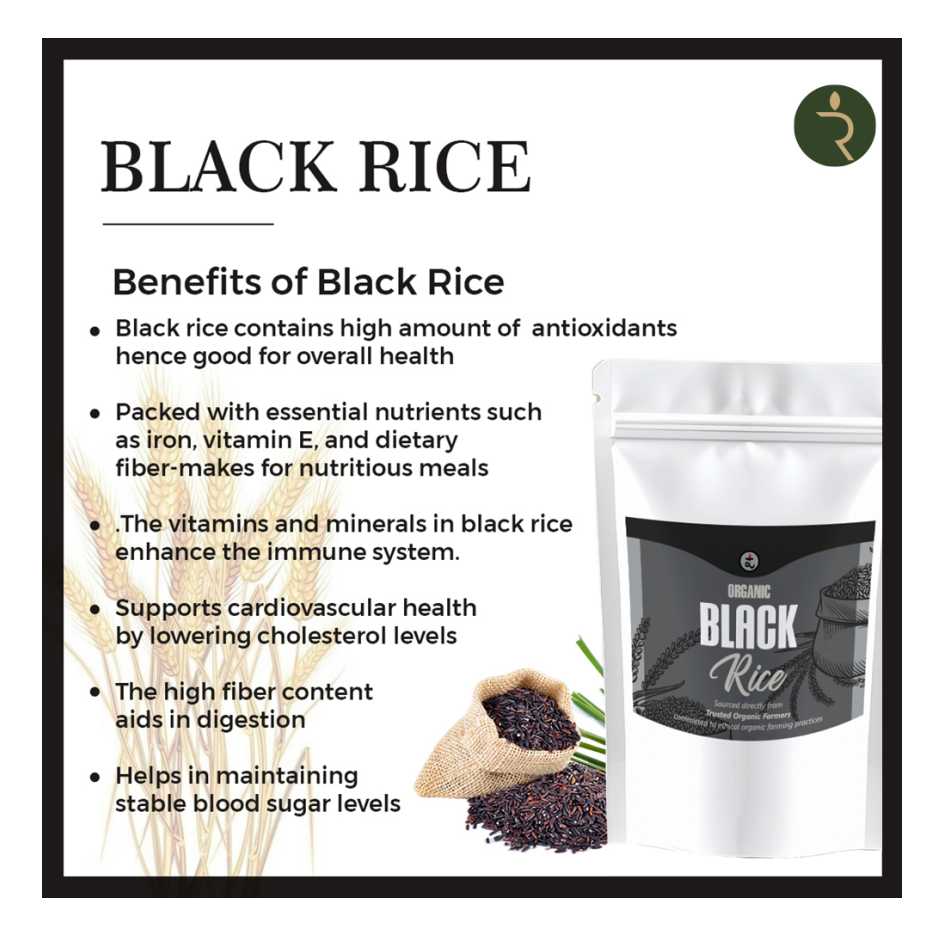
- Rich in Antioxidants: Packed with anthocyanins (the same antioxidants found in blueberries), black rice helps combat oxidative stress and supports overall cellular health.
- Supports Heart Health: The high levels of fiber and anthocyanins in black rice can help lower cholesterol levels and improve cardiovascular function.
- High Fiber Content: Helps regulate digestion, promote satiety, and support weight management goals by keeping you fuller for longer.
- Low Glycemic Index: Provides steady energy by releasing glucose slowly into the bloodstream, supporting balanced blood sugar levels.
- Boosts Immunity: Loaded with vitamin E, iron, and essential minerals that help strengthen the immune system.
- Naturally Gluten-Free: Safe for people with gluten intolerance or celiac disease, making it a versatile grain for gluten-free cooking.
- Anti-Inflammatory Properties: Anthocyanins in black rice exhibit anti-inflammatory effects, contributing to reduced risk of chronic diseases.
- Organically Grown: Free from chemical residues, artificial additives, and GMOs — grown using regenerative and ethical farming practices.
Culinary Uses
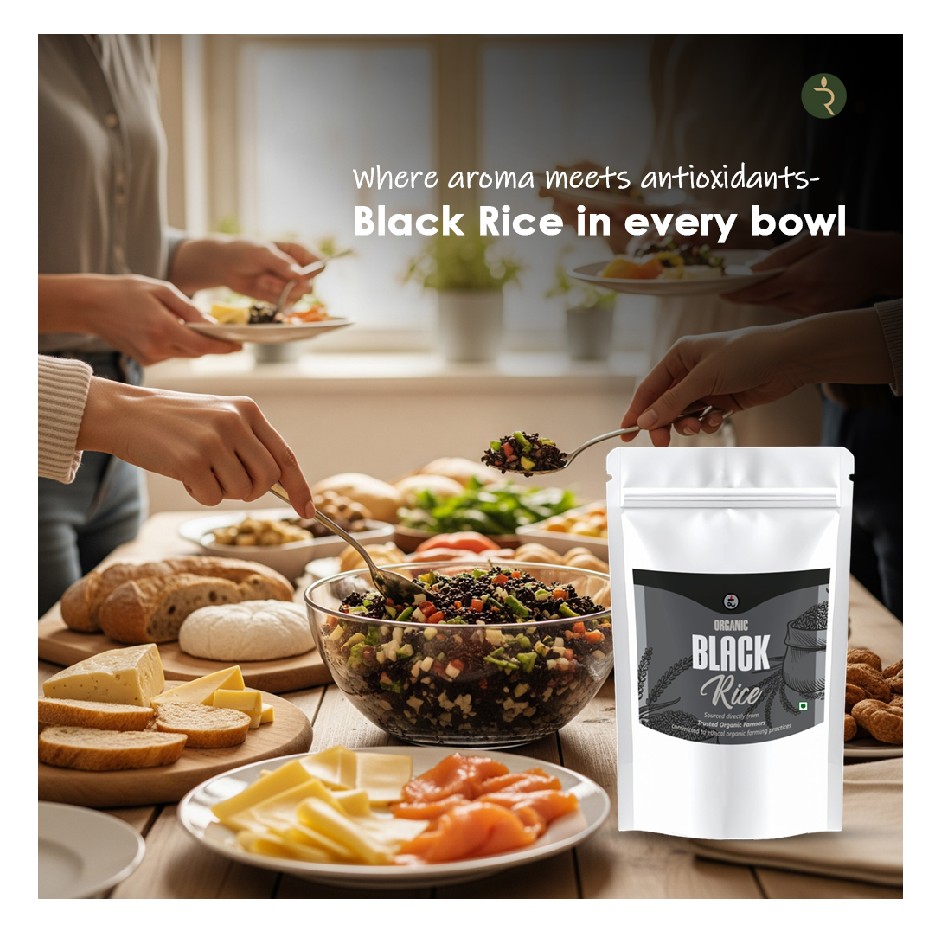
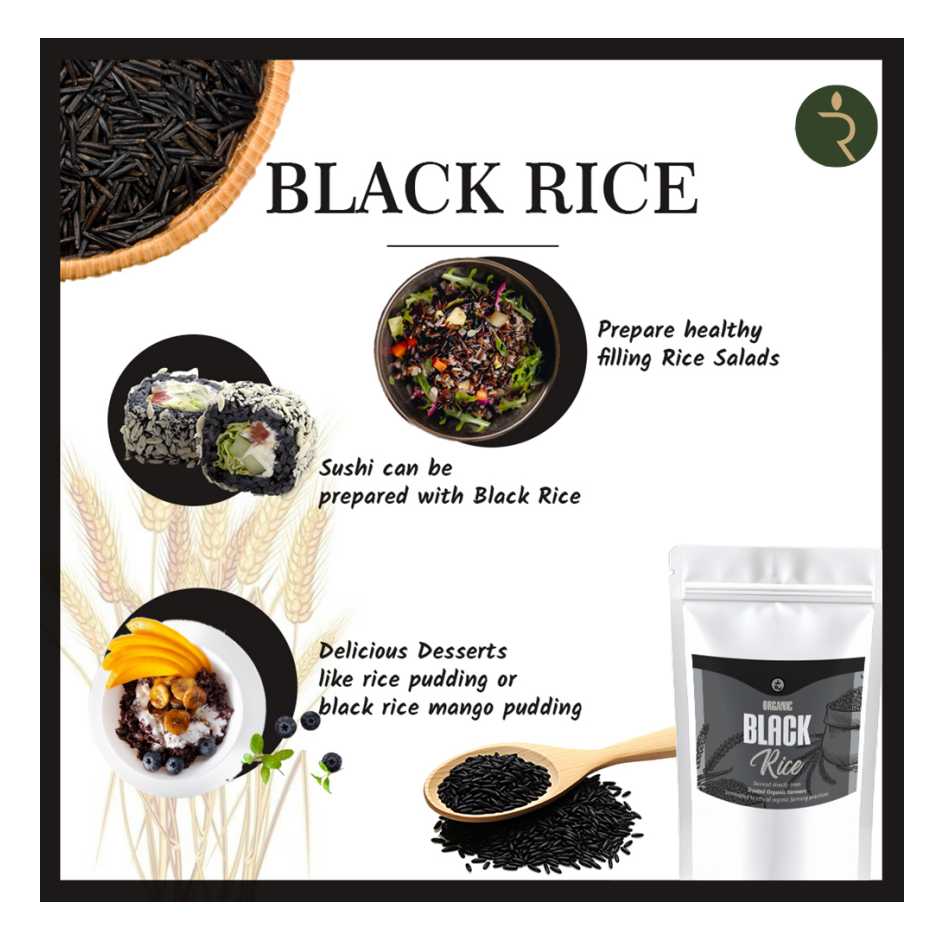
- Buddha Bowls & Grain Salads: Great as a base for vibrant bowls with veggies, tofu, or legumes — both savory and sweet.
- Pulao & Stir-Fries: Make a colorful, antioxidant-rich rice pulao or pair with Asian stir-fries for a bold plate.
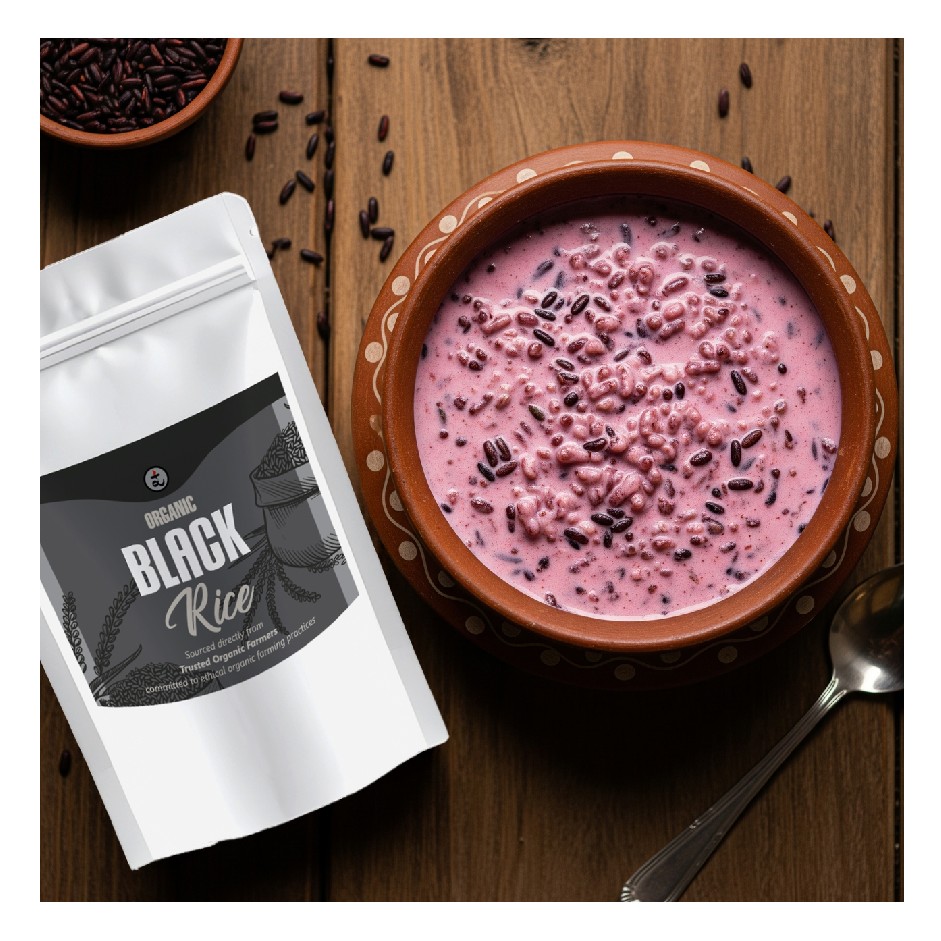
- Desserts: Used in traditional puddings, kheer, or Thai-style black sticky rice desserts with coconut milk.
- Side Dish: Serve alongside curries, stews, or grilled vegetables as a nutritious alternative to white rice.
Conclusion
Organic Black Rice is not only visually striking but also a nutrient-dense, health-promoting super grain. With its rich color, bold taste, and organic purity, it’s a smart addition to modern kitchens looking for both tradition and nourishment on every plate.
Quality Assurance
“We at Rootz believe, current & future generations have rights to clean food.”
Reviews
Login
Don't have an account?
Sign UpThe deep purple cooking water is anthocyanin — the water-soluble antioxidant pigment concentrated in the black rice bran. Anthocyanins are the same class of compound that makes blueberries blue and red cabbage purple. They leach freely into water during rinsing and cooking. Rinsing water runs dark purple and cooking water turns deep purple — both are completely normal and are simply the bran pigment releasing. The purple cooking water is edible and nutritious.
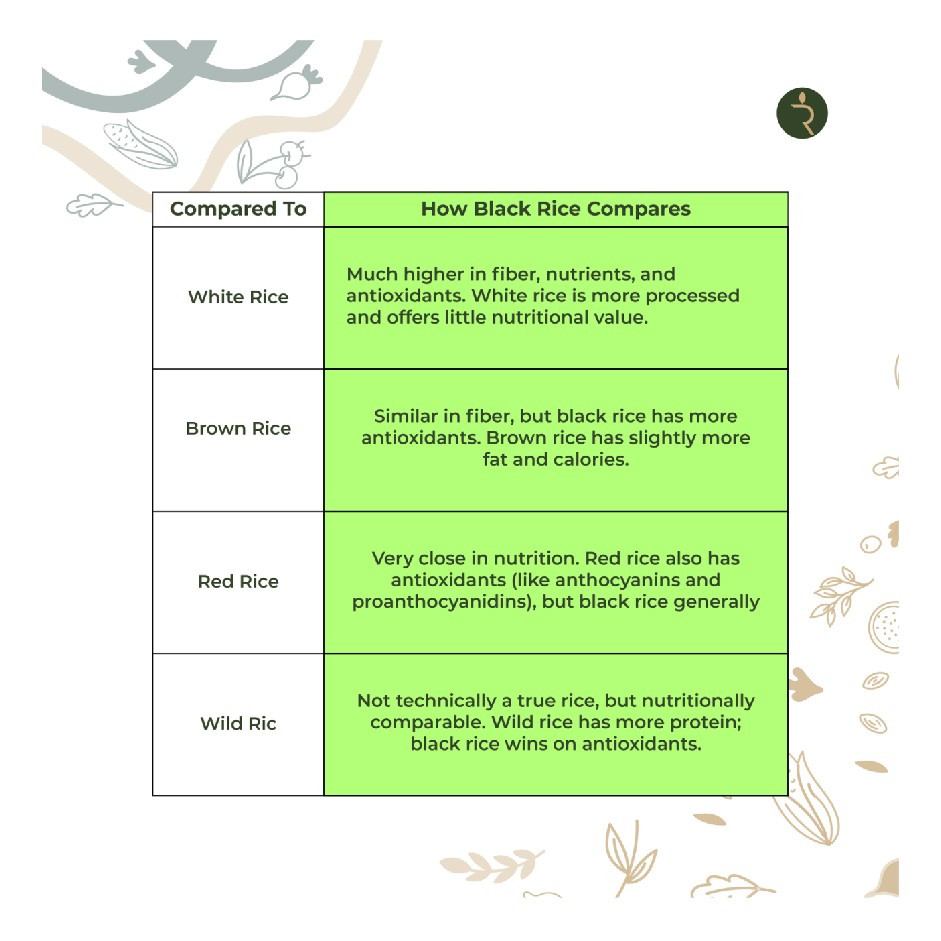
All three are unpolished heritage rice varieties with bran intact. Brown rice — bran is tan/golden; fibre, B vitamins, and minerals but no significant anthocyanins. Red rice (Himalayan Red, Rajamudi, Kerala Red) — bran is reddish-brown; some anthocyanins plus proanthocyanidins. Black rice — bran is deep purple-black; highest anthocyanin concentration of the three, specifically cyanidin-3-glucoside. All three have significantly more fibre, B vitamins, and minerals than polished white rice. For anthocyanin content specifically, black rice is the superior choice
Yes — all rice varieties, including black rice, are naturally gluten-free. Rice does not contain gluten, gliadin, or related prolamins. However, cross-contamination can occur if black rice is processed in a facility that also handles wheat or gluten-containing grains. If managing coeliac disease or clinical gluten sensitivity and requiring a certified gluten-free product, verify with Rootz whether this black rice is processed in a dedicated gluten-free facility before purchase.


